Information
Landmark: Minorite MonasteryCity: Cesky Krumlov
Country: Czech Republic
Continent: Europe
Minorite Monastery, Cesky Krumlov, Czech Republic, Europe
Minorite Monastery (Kostel svatého Jakuba a klášter minoritů) – Detailed Overview
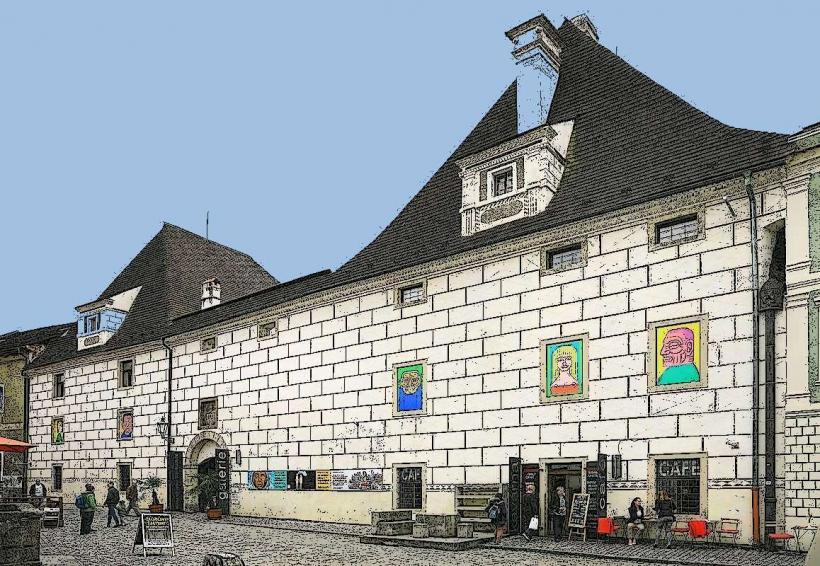
The Minorite Monastery (Czech: Kostel svatého Jakuba a klášter minoritů) in Český Krumlov is a historically significant and architecturally notable religious complex. The monastery is dedicated to St. James the Greater and was established by the Minorite order in the late 13th century. It is located in the town’s Old Town area, contributing to the spiritual and architectural heritage of Český Krumlov, which is a UNESCO World Heritage Site.
History and Background
Founding of the Monastery: The Minorite order (also known as the Franciscan Minorites) was founded in the early 13th century and is known for its emphasis on poverty, humility, and service to the community. The Minorite Monastery in Český Krumlov was founded around 1260, making it one of the oldest and most significant monastic institutions in the region. The monastery was built by the Rožmberk family, one of the most powerful noble families in Bohemia during the medieval period, who played a central role in supporting religious institutions in the area.
Religious and Cultural Role: The monastery has been a key center of religious life in Český Krumlov for centuries. It served as both a place of prayer and contemplation for the Franciscan monks and as a religious hub for the townspeople. Over the years, the monastery has undergone various modifications, with architectural additions and reconstructions to accommodate the evolving needs of the religious community and the town.
Architectural Features
Church of St. James: The central feature of the Minorite Monastery is the Church of St. James the Greater (Czech: Kostel svatého Jakuba). The church was originally built in the Gothic style and is known for its impressive architecture and serene atmosphere. The church was consecrated in 1309, and its design reflects both Gothic and later Baroque elements that were added during the 17th century.
- Gothic Elements: The church retains many original Gothic features, including pointed arches, ribbed vaults, and large windows. The nave of the church is wide and high, creating an impressive space for worship.
- Baroque Modifications: The church underwent Baroque renovations in the 17th century, which included the addition of Baroque altars and other decorative elements. The church’s main altar is particularly noteworthy for its Baroque design.
Monastery Complex: The monastery itself is a compact complex with several important features:
- Cloister: The cloister is a peaceful inner courtyard that is surrounded by the monastic buildings. It is often used for quiet reflection and offers a tranquil atmosphere amidst the bustle of the town.
- Monastic Cells and Chapter House: The monastic cells and chapter house served as living and meeting spaces for the monks. The interior of the monastery is modest, in keeping with the Franciscan principles of poverty.
- Library and Archive: The monastery housed a library with a rich collection of theological works and manuscripts, some of which were produced by the monks themselves. The archive also contains important historical records related to the monastery’s operations.
Cultural and Religious Significance
Spiritual Hub: Throughout its history, the Minorite Monastery has been a significant religious center for the local community in Český Krumlov. The church and the monastery played a central role in medieval religious life, with monks performing various religious duties, including teaching, preaching, and conducting masses.
Influence of the Rožmberk Family: The Rožmberk family, who were the patrons of the monastery, had a significant influence on its development. They not only provided financial support but also contributed to the religious and cultural life of the town. The monastery’s prominence is tied to the importance of the Rožmberk family in the region.
Educational Role: In addition to being a place of worship, the Minorite Monastery served an educational function, especially during the Middle Ages. It hosted religious scholars and theologians, and the monastery’s library was an important resource for education and intellectual life in the region.
Art and Architecture: The monastery, like many other monastic institutions, was a patron of the arts. The church and monastery buildings contain several artistic works, including paintings, sculptures, and frescoes, many of which reflect the religious themes and stylistic influences of the period.
Modern Role and Restoration
Restoration Efforts: The Minorite Monastery has undergone several restorations over the centuries, particularly after the Baroque period, to maintain its architectural integrity. The church and the monastery complex have been carefully preserved to retain their historical significance, while ensuring that they remain usable as both a place of worship and a cultural landmark.
Active Religious Site: While the monastery is no longer an active monastic community, the Church of St. James remains an active place of worship, with regular Masses, weddings, and other religious services. It is also used for various cultural events, including concerts and art exhibitions, especially during the summer months.
Tourism: Today, the Minorite Monastery is an important tourist attraction in Český Krumlov, attracting visitors interested in both its historical and architectural significance. The Church of St. James and the monastery complex are open to the public, and visitors can explore the church’s stunning Gothic and Baroque features as well as the peaceful cloister. The monastery also hosts cultural and spiritual events, which continue to be a major draw for tourists.
Visitor Experience
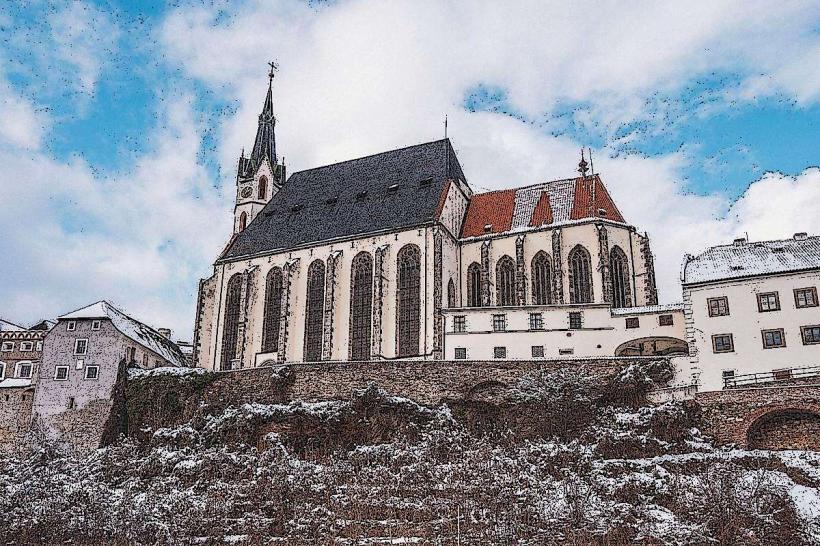
Access: The Minorite Monastery is located in the Old Town of Český Krumlov, not far from other significant landmarks such as Český Krumlov Castle and St. Vitus Church. The monastery is open to visitors year-round, although certain parts may be closed for religious services or special events.
Ticket Information: Entry to the church is typically free, though there may be a fee for special events, guided tours, or access to specific parts of the monastery. Visitors can obtain information about opening hours and events at the monastery’s official website or local tourist information centers.
Cultural Events: The Minorite Monastery hosts various cultural events, including classical music concerts, art exhibitions, and theatrical performances. These events offer an opportunity for visitors to experience the monastery’s atmosphere in a different context and enjoy the beauty of the church’s acoustics.
Conclusion
The Minorite Monastery in Český Krumlov is an important historical and architectural site that offers a glimpse into the town’s medieval religious life and its artistic heritage. With its Gothic and Baroque elements, peaceful cloister, and rich cultural history, the monastery remains a significant place for both spiritual reflection and artistic exploration. Its proximity to other key landmarks in Český Krumlov makes it a must-visit for anyone interested in the town’s fascinating heritage. Whether you are drawn to the monastery’s historical importance, architectural beauty, or cultural events, it offers a tranquil and enriching experience for visitors of all backgrounds.