Information
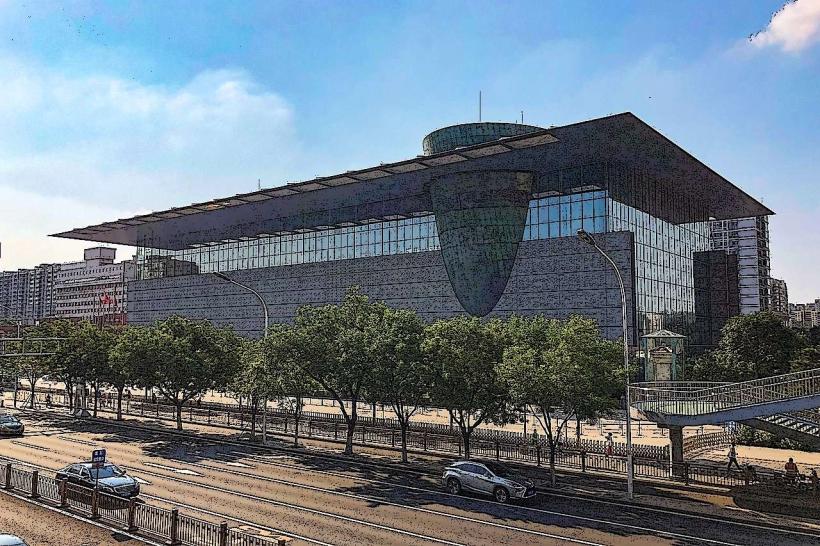
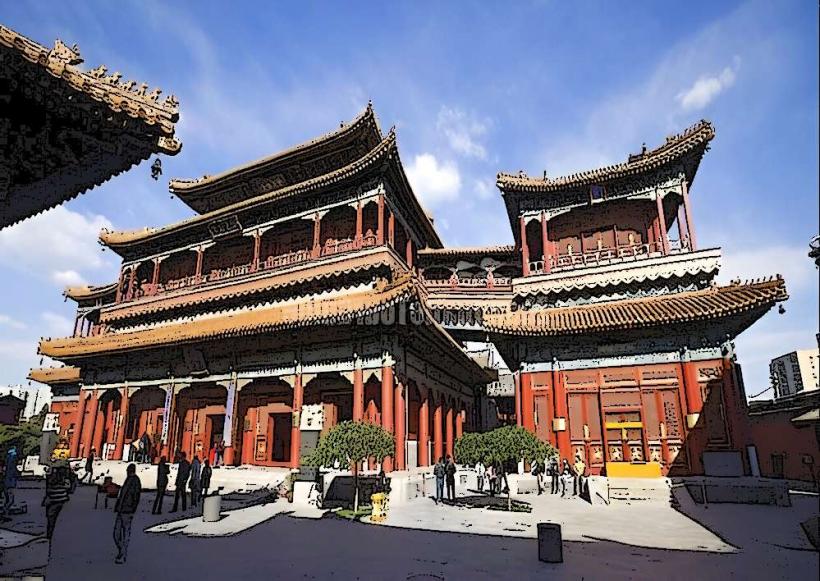
Landmark: 798 Art ZoneCity: Beijing
Country: China
Continent: Asia
798 Art Zone, Beijing, China, Asia
The Azuero Peninsula is a landmass located in the southwestern region of Panama, bordered by the Pacific Ocean to the south and west, and the Gulf of Panama to the east. It is a significant geographical and cultural area within the country.
Visual Characteristics
The peninsula exhibits a varied topography, transitioning from coastal plains to rolling hills and low mountains inland. The coastline features a mix of sandy beaches, rocky outcrops, and mangrove estuaries. Inland vegetation ranges from dry tropical forest to more humid forest types, with agricultural land interspersed throughout. Elevation generally does not exceed 500 meters.
Location & Access Logistics
Santiago City serves as the primary urban center and gateway to the Azuero Peninsula. From Santiago, National Route 2 (Carretera Panamericana) provides access to the eastern and northern parts of the peninsula. Secondary roads, such as Provincial Route 10 and Provincial Route 12, connect to coastal towns and interior villages. Travel time from Panama City to Santiago is approximately 3.5 to 4 hours by car. Public bus services operate regularly between Panama City and Santiago, with local bus routes serving communities within the peninsula. Parking is generally available in towns and at designated access points, though it can be limited in smaller villages.
Historical & Ecological Origin
The Azuero Peninsula is primarily composed of sedimentary rock formations and volcanic extrusions dating back to the Miocene epoch. Its ecological origin is characterized by a transition zone between drier Pacific coastal ecosystems and more humid inland environments. Historically, the region was inhabited by indigenous groups before Spanish colonization in the 16th century. It developed as an agricultural and cattle ranching center.
Key Highlights & Activities
Activities include exploring coastal areas for birdwatching, particularly in mangrove regions. Hiking is possible on designated trails in the interior hills. Visiting local artisan workshops for traditional crafts is a common activity. Observing traditional festivals and cultural events, especially during carnival season, is a significant draw. Fishing and beach activities are available along the coast.
Infrastructure & Amenities
Restrooms are available in towns and at larger tourist sites. Shade is provided by natural vegetation and man-made structures in populated areas. Cell phone signal (4G) is generally available in towns and along major routes, but can be intermittent in remote areas. Food vendors and small restaurants are present in towns and along main roads. Larger hotels and guesthouses are concentrated in Santiago and coastal towns.
Best Time to Visit
The dry season, from mid-December to April, offers the most favorable weather conditions with less rainfall. The best time of day for photography is generally early morning or late afternoon for softer light. High tide is not a critical factor for most activities, but can affect access to certain beach areas.
Facts & Legends
The Azuero Peninsula is considered the cultural heartland of Panama, renowned for its traditional music, dance, and festivals. A local legend speaks of the "El Silbador" (The Whistler), a spirit said to roam the countryside at night, its eerie whistling heard by those who venture out after dark.
Nearby Landmarks
- Parque Nacional Cerro Hoya (15km Southwest)
- Playa Venao (30km Southwest)
- Pedasí (45km Southwest)
- Isla Iguana Wildlife Refuge (50km Southwest)
- Tonosí (55km Southwest)