Information
Landmark: Antonine BathsCity: Carthage
Country: Tunisia
Continent: Africa
Antonine Baths, Carthage, Tunisia, Africa
Overview
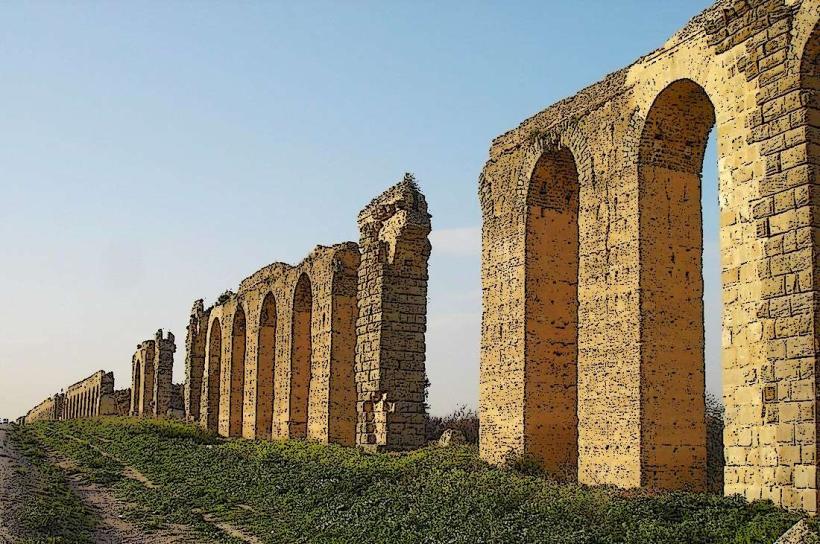
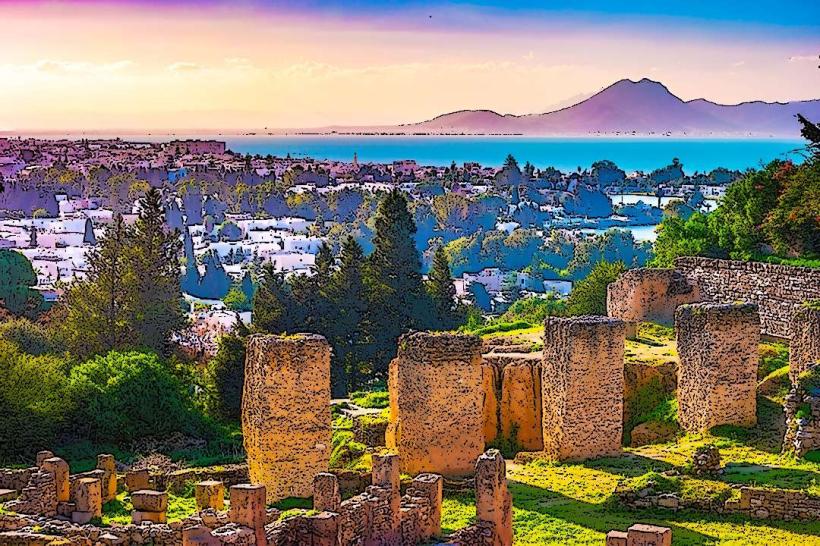
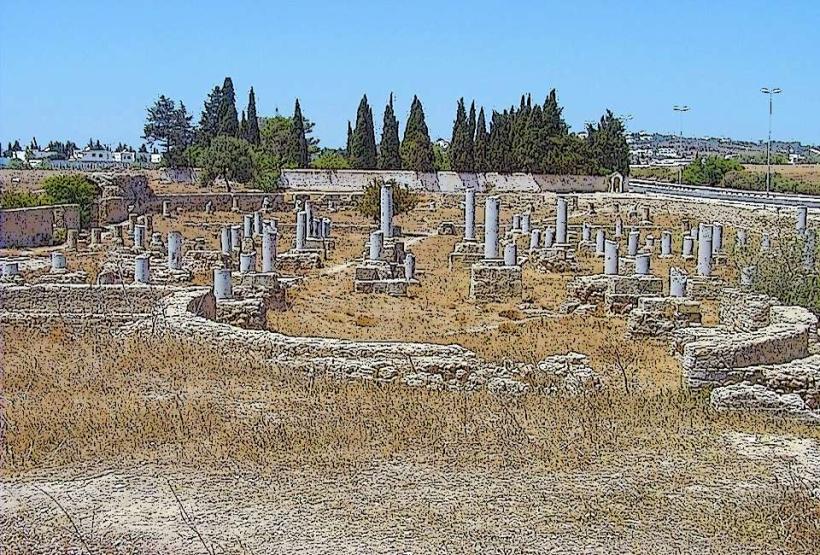
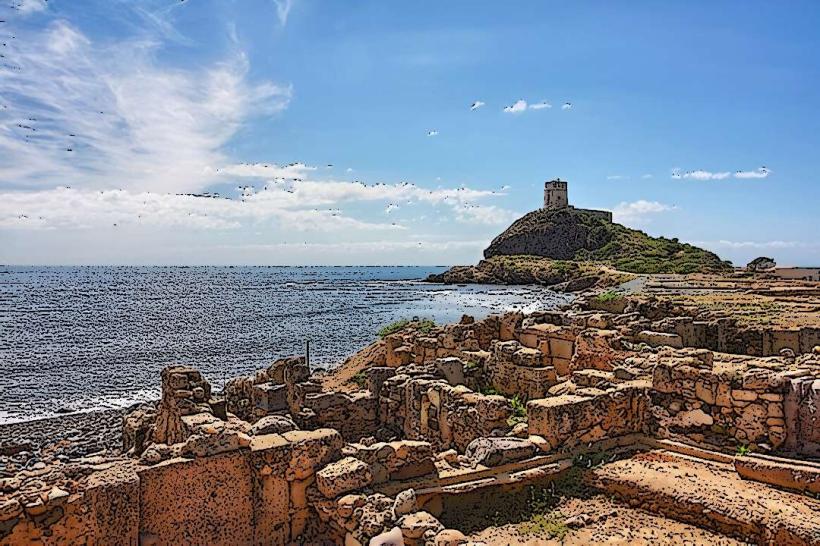
In Carthage, the Antonine Baths rank among the biggest and most striking Roman bath complexes beyond Rome, their vast stone halls echoing with the splash of ancient fountains, consequently they bear witness to the wealth, influence, and refined architecture of Roman Carthage at its height, when marble columns gleamed in the sun, almost The Antonine Baths-known to the Romans as the Thermae Antoninianae-rose during Emperor Antoninus Pius’s reign (138–161 CE), when bustling Carthage stood among the empire’s most vital cities, its streets echoing with the sound of traders’ voices, furthermore in the western Mediterranean, it ranked just behind Rome in size and glory, bustling as North Africa’s key center for government, trade, and culture, where market stalls spilled with fragrant spices.Honestly, These baths rose as a sign of Carthage’s wealth and the Roman belief that boiling, steamy water was central to civic life, where neighbors gathered, talked, and stayed healthy, after that the Antonine Baths mirrored the usual layout of vast imperial Roman bathhouses, yet everything was built on a breathtaking scale-hallways wide enough to echo your footsteps.Like many grand Roman baths, they faced the sea, catching the salt-tinged breeze to keep the air cool and offering visitors a view worthy of an emperor, furthermore the complex ran about 200 meters along the coast, its width topping 100 meters, with pale stone walls catching the afternoon sun.The building climbed several stories, and visitors stepped in through sweeping staircases and wide stone porticoes, besides key Areas: Apodyterium (Changing Rooms) - wide, airy spaces where bathers slipped out of their clothes and tucked sandals or satchels into compact cubbies.Frigidarium (freezing Room): a vast, vaulted hall where icy pools shimmer under the stone arches, then in many Roman baths, this was the grandest space; at Carthage, its vast vaulted ceilings soared overhead, their marble gleaming in the light.Tepidarium (Warm Room): a gently heated space where you linger to adjust between the scorching steam and the cool plunge, the air warm like sun‑soaked stone, to boot caldarium (warm Room): Warmed by the hypocaust, an underfloor network that pushed furnace heat through hollow spaces, the baths stayed steaming and inviting.The caldarium stole the show, with steaming pools that wrapped you in heat and air so warm it prickled your skin, and palaestra (Exercise Grounds): wide, sunlit courtyards where visitors stretched, sparred, and worked up a sweat before stepping into the baths, maybe Gardens and open spaces surrounded the bathhouses, with trimmed hedges and covered promenades woven into the design, creating inviting spots to relax or share a quiet conversation, moreover service areas included the furnaces, cisterns, and mechanical systems that kept the baths running, their steady hum and heat usually tucked away from public view.Fresh water from the cool, clear Zaghouan springs flowed through the Carthage Aqueduct straight into the Antonine Baths, meanwhile without it, the pools stayed dry, the fountains silent, and the hypocaust couldn’t push heat through its stone channels.Decoration: Most of the ornamentation has vanished, yet digs reveal the baths once gleamed with cool marble, vivid mosaics, towering columns, and lifelike statues, besides rich fabrics and flawless workmanship spoke of Carthage’s civic pride, and of the grandeur anyone would expect from an imperial venture, like marble steps gleaming in the sun.Today, the Antonine Baths stand in striking ruin, their massive stone arches still one of Carthage’s most impressive archaeological sights, while only the lower levels of the complex remain-the upper floors and ornate roofs have vanished-but you can still stand in the shadow of the walls and feel their immense scale.If I’m being honest, You can still spot the foundations of the frigidarium, caldarium, and several other rooms, along with parts of the hypocaust heating system-its brick channels obscure with age, moreover this site lies within the larger archaeological zone of Carthage, a UNESCO World Heritage Site where weathered stones still catch the afternoon sun.The ruins sit at the water’s edge, their crumbling stones framed by salt-scented air and the distant crash of waves, hinting at the grandeur they once held, to boot the Antonine Baths matter for one clear reason: they embody the skill and precision of Roman builders, from towering arches to the smooth curve of a marble pool.Curiously, They show how bathing in Roman life mixed friendship, cleanliness, and relaxation-the chatter of friends echoing off warm marble walls, equally important they show that Carthage stood among the Roman Empire’s leading cities, its harbors crowded with ships and market stalls buzzing with traders.Roman amphitheaters, aqueducts, forums-and the warm echoing halls of the Antonine Baths-bring to life Carthage as a bustling, sophisticated city in the Roman era, furthermore if you’d like, I can wander you through how the hypocaust heated the Antonine Baths, or give you a vivid virtual tour of what a visitor might view-from the echo of footsteps in the warm hall to the rising steam in the pools., somewhat
Author: Tourist Landmarks
Date: 2025-09-27