Information
Landmark: Barranco de GuayadequeCity: Gran Canaria
Country: Canary Islands
Continent: Europe
Barranco de Guayadeque, Gran Canaria, Canary Islands, Europe
Overview
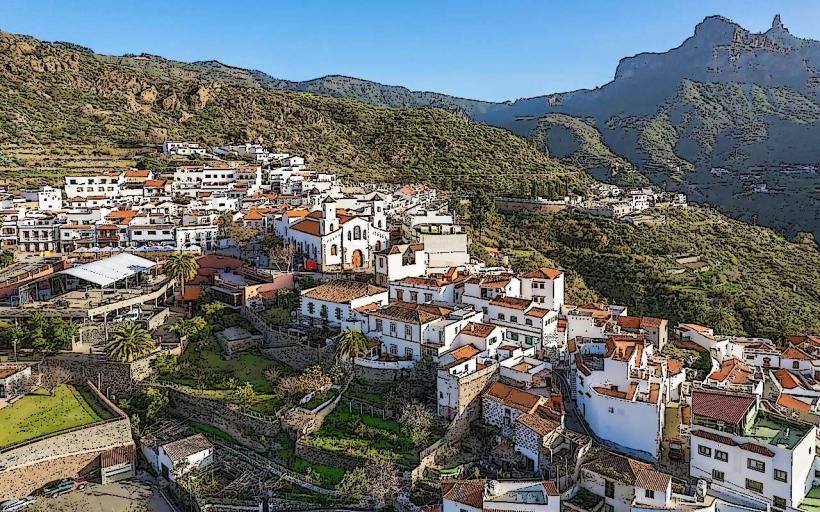
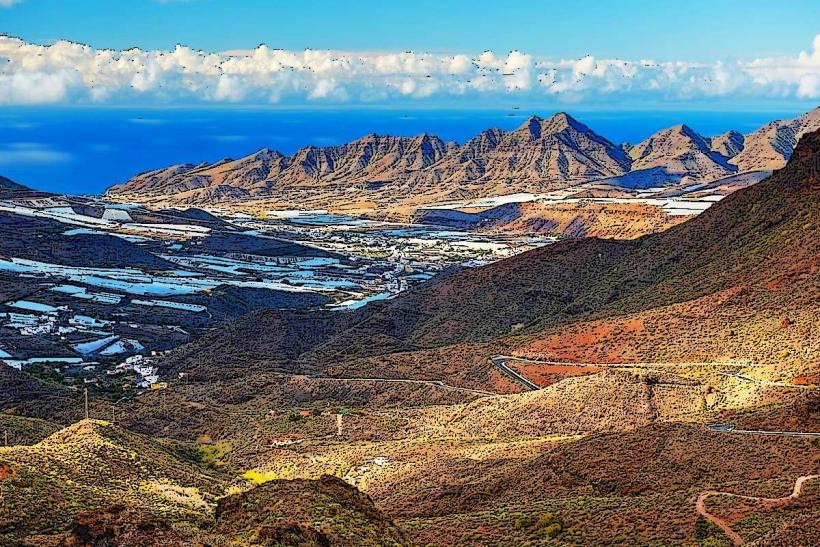
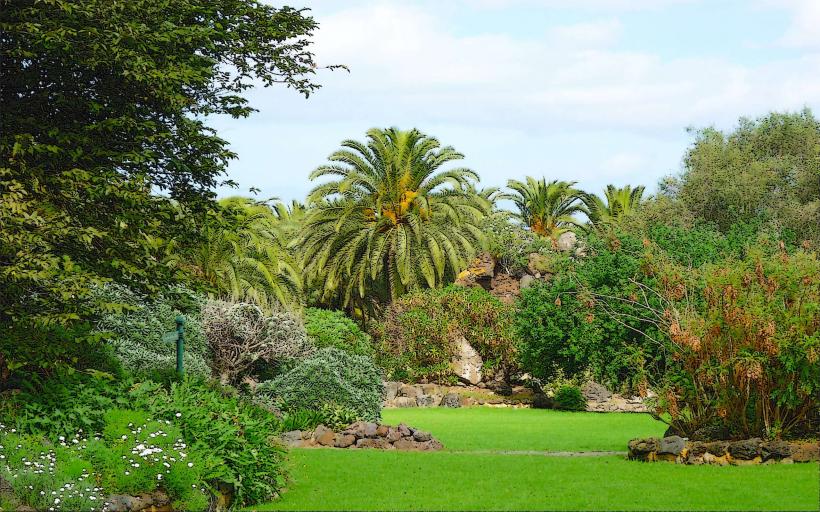
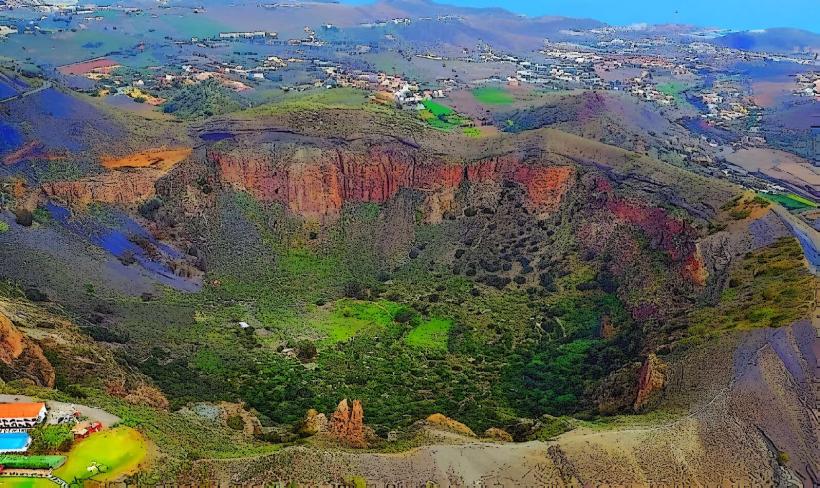
Barranco de Guayadeque is a breathtaking ravine in eastern Gran Canaria, winding between the towns of Agüimes and Ingenio, where jagged cliffs rise sharply against the blue sky, in turn guayadeque, with its rugged cliffs, ancient caves, and deep cultural roots, draws visitors for an unforgettable experience you won’t find anywhere else.Number one, therefore barranco de Guayadeque winds through a deep, green valley, its steep cliffs towering above and rugged slopes scattered with sun-warmed stone.The ravine winds for nearly five kilometers, its rocky slopes dotted with wildflowers and alive with birdsong, and many consider it one of the island’s most stunning natural spots, where sheer cliffs, hidden caves, and lush greenery create a view worth pausing for.The ravine itself is thick with Canary Island palms, cool laurel forests, and other plants found nowhere else, subsequently for a spot that’s easy to reach, it bursts with plant life-you can even catch the scent of wild thyme drifting on the breeze, kind of The area teems with life-luminous birds dart through the air, lizards sun themselves on warm rocks, and petite mammals rustle in the brush, as well as one of Barranco de Guayadeque’s most captivating sights is its cave dwellings, carved long ago and still standing as echoes of both prehistoric and historic times, perhaps For centuries, the Guanches, the Canary Islands’ first inhabitants, made their homes in the ravine’s caves-sleeping on straw mats, holding rituals by torchlight, and storing food in the cool, shadowy chambers, meanwhile long after, the locals kept living there, with many caves still in use as homes well into the 20th century, sort of Today, a few of these caves still shelter residents, while others serve as cozy restaurants, petite museums, or guest lodgings, on top of that one standout is the Cave Church of San Juan Bautista-a striking chapel carved straight into the pale rock at the edge of the ravine.This one-of-a-kind structure reflects a deep mix of nature and faith, serving as a location of worship for hundreds of years, its stone walls cool even in summer, not only that for hikers, Barranco de Guayadeque unfolds a range of trails, from gentle paths to steep climbs that test your legs.The trails wind through the ravine, where you can spot sheer cliffs, shadowy caves, and greenery so thick it smells like rain, then the GR-131, a long-distance trail, winds through this area and links different parts of the island.One favorite trek, the Guayadeque Ravine Circular Route, leads you deep into the ravine, where you can detect sunlit cliffs and centuries-heritage cave homes, not only that hiking here lets you sink into the quiet ruggedness of the land while uncovering its past, from the whisper of wind over stone to the ancient cave dwellings that mark its role in Gran Canaria’s pre-Hispanic history.The Guanches once took shelter in the caves, lighting fires against the damp walls, and used them as sacred spaces for worship; discoveries there hint it was an crucial hub for their people, as well as today, Barranco de Guayadeque still echoes with life during its festivals and local traditions, not entirely Not surprisingly, Each September, the Festa de Guayadeque fills the air with the beat of drums, the swirl of dancers, and the aroma of unhurried-cooked stews, celebrating the area’s rich cultural heritage through music, dance, and food, and in Barranco de Guayadeque, you can sit down to a meal in a cool, dimly lit cave restaurant-an experience you won’t find just anywhere, occasionally These places are hewn straight into the rock, their cool stone walls giving the air a quiet, earthy scent, besides in the cave restaurants, you can tuck into local Canarian favorites like papas arrugadas with salty skins, tangy goat cheese, and smoky grilled meats, all in the warmth of a rustic stone room.Don’t miss classics such as potaje de berros, a peppery watercress soup, or sancocho canario, a hearty fish stew that pairs perfectly with a glass of local wine, and outside, the ravine bursts with life-Canary Island pines sway overhead while laurel, holly, and cactus cling to the rocky slopes, roughly The plant life reflects Gran Canaria’s subtropical climate, where palms and thick green shrubs stand out against the island’s sun-bleached hills, as well as in the ravine, you might spot a Canary Island kestrel gliding overhead, buzzards circling, or rabbits darting between rocks alongside quick, darting lizards.You know, Many nature lovers come to the ravine for birdwatching, scanning the cliffs for flashes of vivid feathers, meanwhile barranco de Guayadeque lies within the Guayadeque Special Nature Reserve, created to safeguard the ravine’s rare plants, wildlife, and the fragile landscape around it, not entirely The reserve safeguards the area’s cultural treasures, from ancient cave homes to weathered archaeological sites, while promoting sustainable tourism that respects both nature and history, furthermore visit in spring or autumn, when the air feels mild and the sun warms the trails without scorching them.Summer heat can push the trail into the high 90s, making every uphill step harder, while winter feels cooler and more forgiving, and if you’re heading out, wear sturdy shoes, pack plenty of water, and shield your skin from the sun.Be sure to stop by the local cave restaurants, where the cool stone walls and flickering candlelight set the mood for tasting traditional Canarian dishes, therefore barranco de Guayadeque remains one of Gran Canaria’s hidden treasures, blending stunning landscapes with rich culture and a fascinating past.Hike through the shaded ravine, step inside the cool hush of ancient cave dwellings, or savor grilled fish in a candlelit cave restaurant-wherever you turn, this region leaves you with vivid memories of the island’s deep heritage and striking natural variety.
Author: Tourist Landmarks
Date: 2025-09-08