Information
Landmark: Cahuachi PyramidsCity: Nazca
Country: Peru
Continent: South America
Cahuachi Pyramids, Nazca, Peru, South America
Overview
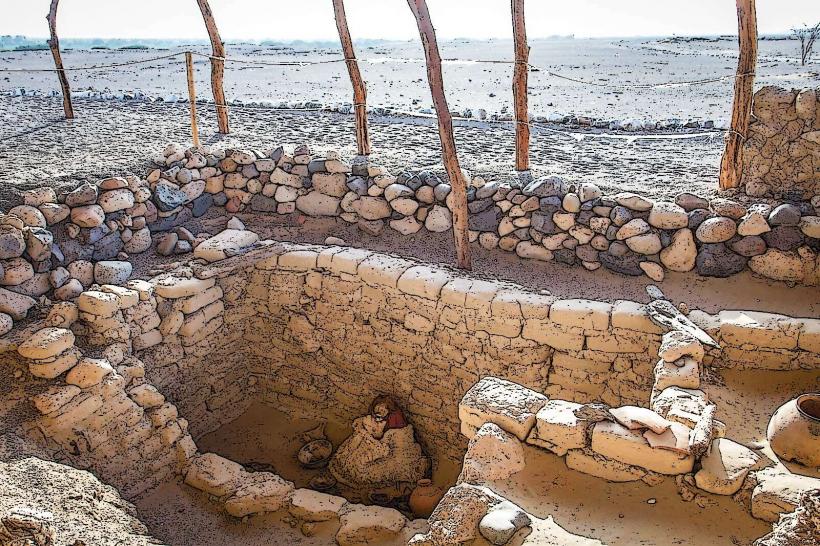
The Cahuachi Pyramids rise from the dry, golden sands of the Nazca Desert in southern Peru, an ancient archaeological site steeped in history, in turn people believe this pre-Columbian complex once served as the Nazca civilization’s spiritual heart, with pyramidal towers, broad stone platforms, and ceremonial courtyards where incense may have hung in the dry air.The site holds deep meaning for the Nazca-it's both a sacred area of worship and a cultural heart, and it stands as a major archaeological find that reveals their rituals, intricate stonework, and way of life, meanwhile the Cahuachi Pyramids rise from the Nazca Desert, about 28 kilometers (17 miles) southwest of the city of Nazca in Peru, and were built between 100 BCE and 500 CE at the height of the Nazca culture.Spanning roughly 24 square kilometers (9 square miles), the site holds more than 40 pyramids and temple-like structures, their sunbaked walls once the heart of a bustling ceremonial and religious center, as a result the Nazca people, who also etched the mysterious Nazca Lines into the desert floor, thrived in this southern coastal region from around 200 BCE to 600 CE.The Nazca are best known for the vast geoglyphs they carved into the desert-lines that stretch for miles under the blazing sun-as well as their skill in farming, pottery, textiles, and art, along with at Cahuachi, the pyramids rose as the spiritual heart of their world, where ceremonies shaped the rhythm of their lives, more or less People believe they once hosted religious rites-offerings laid out in the dust, solemn processions winding past, and perhaps even sacrifices to the gods-honoring earth and water, the lifeblood of the Nazca in the harsh desert, subsequently the setting also likely thrived as a hub of cultural exchange, drawing visitors from far and wide, to some extent As far as I can tell, Artifacts uncovered at the site hint that the Nazca traded and interacted with neighbors like the Moche and Paracas, as a result the Cahuachi Pyramids rise from the desert as a cluster of earthen mounds, stepped platforms, and temple-like pyramids built from sun-baked adobe bricks and coarse mud mortar.Some towers rose nearly 30 meters-about the height of a ten-story building-while others stood much shorter, subsequently the architecture conveys a sense of permanence, yet it also serves a ceremonial role, like the echo of footsteps in a stone hall.Cahuachi’s standout landmarks are its stepped pyramids and broad platforms, once alive with ritual and ceremony, where footsteps might have echoed across the desert air, besides the Great Pyramid, the tallest of them all, rises about 28 meters-roughly the height of a nine‑story building-and was built from sun‑baked adobe bricks mixed with packed earth.At Cahuachi, you’ll also find temple complexes and open courtyards once alive with religious ceremonies, subsequently these were probably used for public ceremonies, while certain spots might have been gathering places for pilgrims or worshippers, where the air smelled faintly of incense; the site also holds burial complexes.Archaeologists discovered that the Nazca laid their dead to rest in ceremonial tombs hidden beneath the pyramids, sometimes wrapped in layers of radiant woven cloth, at the same time the tombs held artifacts-pottery painted in deep reds, finely woven textiles, and even human remains-shedding light on the Nazca’s spiritual life and rituals.Some Cahuachi pyramids also feature water-related elements, like stone-lined ritual baths or narrow canals, symbols of water’s sacred role in their ceremonies, tied to farming and the turning of the seasons, simultaneously excavations have uncovered a wealth of Nazca ceramics and intricate woven cloth at the site.These artifacts reveal the Nazca people’s remarkable artistry and are prized for what they tell us about their culture and rituals, along with at Cahuachi, archaeologists have also found human remains, many laid to rest in ceremonial tombs beneath the pyramids, where the dry earth still clings to the bones.The remains offer vital clues about the Nazca’s burial customs and social order, from the way bodies were arranged to the treasures buried beside them, besides ceremonial vessels, carved figurines, and other ritual objects hint at the religious ceremonies once performed here.Most scholars agree Cahuachi served mainly as the Nazca’s ceremonial and spiritual heart, subsequently the location may once have hosted grand rituals-processions winding past carved stones, dancers stamping dust into the air, and gifts laid before the gods, especially those of water and earth.The water channels and pools at the site, along with the harsh desert where the Nazca treasured every drop, support the idea that Cahuachi drew pilgrims from nearby regions seeking both sustenance and spiritual connection, likewise the site’s vast size, along with its burial tombs, points to its role as a major religious center, where ceremonies might have echoed across the desert air.Some scholars believe Cahuachi also acted as a political or administrative hub, directing regional trade and managing crops in the arid landscape, in turn by about 500 CE, the Nazca civilization had begun to fade, in a sense No one knows for sure why Cahuachi and the Nazca culture faded, but several forces may have played a part, what’s more a drying climate or shrinking water sources could have withered their crops, leaving the fields cracked and empty.Rivalries or invasions-perhaps from rising powers like the Wari Empire-might have added to the strain, besides by the time the Spanish arrived in the 1500s, Cahuachi lay abandoned, its name and purpose forgotten until archaeologists uncovered it centuries later.The Cahuachi Pyramids sit about 17 miles northeast of Nazca, rising from the pale sands of the Nazca Desert, moreover you can reach the site by car or join a tour from Nazca, and it’s open to visitors every day of the week, from the quiet early mornings to the warm late afternoons.You can book a tour, but it’s worth going with a local guide who can bring the site’s history to life, alternatively most pyramid tours include a guided saunter past weathered stone walls and ancient artifacts, with stories about the structures and the discoveries unearthed there.Some tours include trips to other nearby Nazca sites, like the sweeping patterns of the Nazca Lines, then the destination was rediscovered in the 1930s and has drawn archaeologists ever since.Its stepped pyramids, built from mud and adobe, crumble easily under harsh wind and rain, as a result excavations at Cahuachi still continue today.
Author: Tourist Landmarks
Date: 2025-09-13