Information
Landmark: Catedral de PotosíCity: Potosi
Country: Bolivia
Continent: South America
Catedral de Potosí, Potosi, Bolivia, South America
Overview
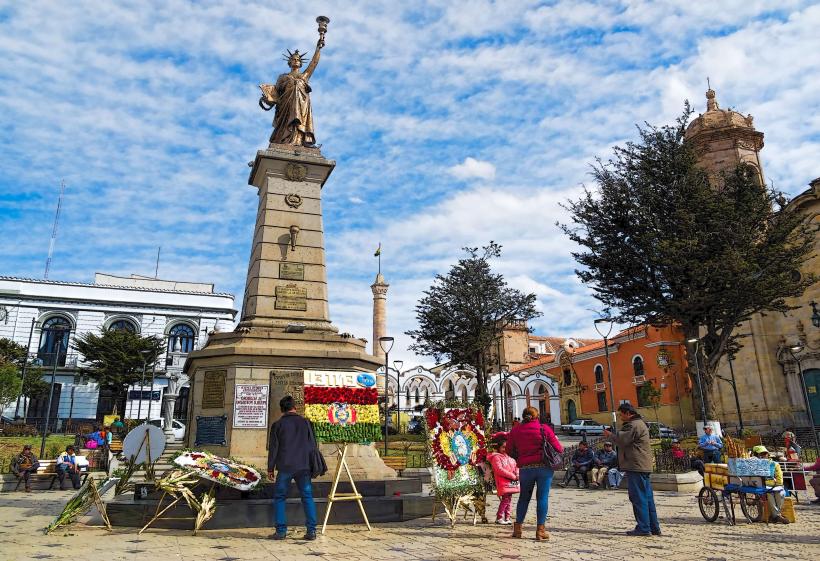
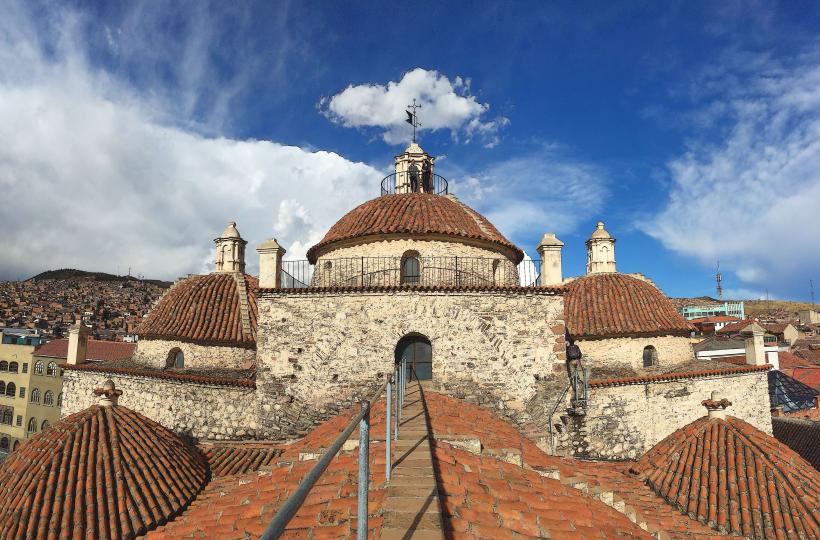
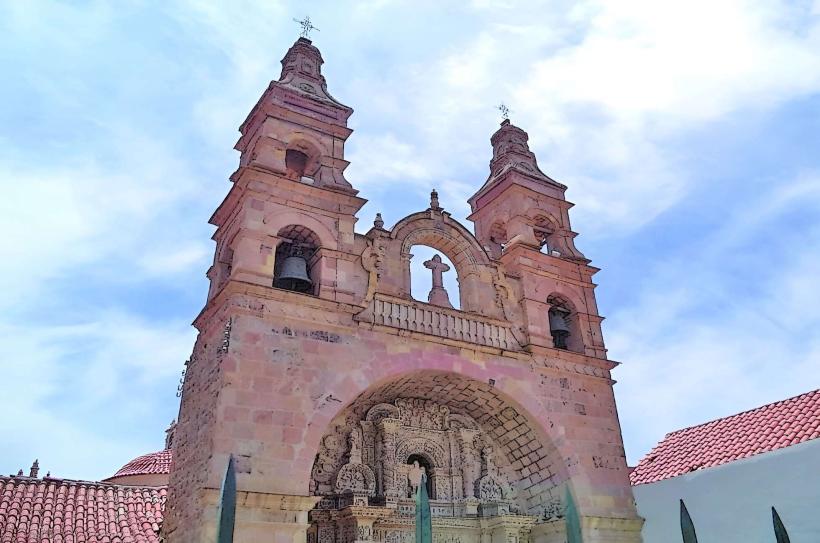
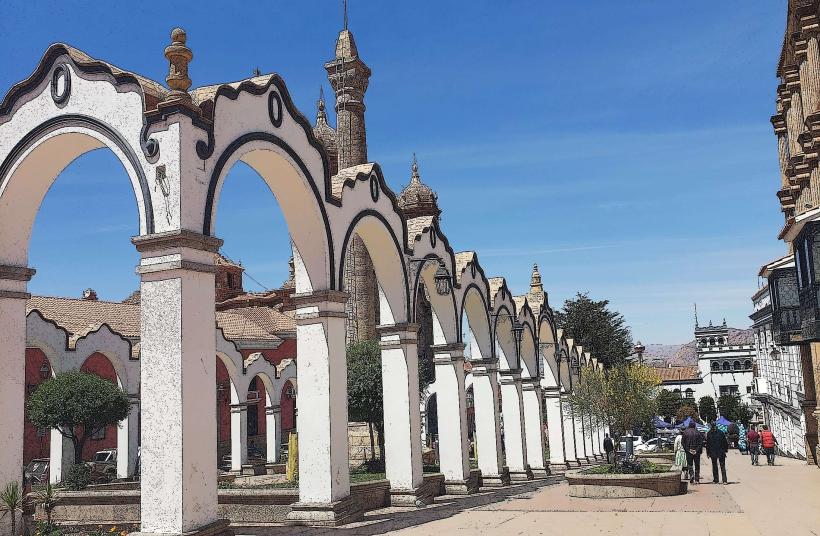
It seems, The Catedral de Potosí, standing in the heart of Potosí, Bolivia, ranks among the city’s most fundamental religious and historic landmarks, its white stone façade catching the high-altitude sunlight, at the same time right in the bustling Plaza 10 de Noviembre, the cathedral rises in pale stone, a proud emblem of Potosí’s colonial past and the Catholic faith that has shaped the region for hundreds of years, loosely The Catedral de Potosí was founded in 1547, its stone walls rising in the thin mountain air, making it one of Bolivia’s oldest and most pivotal churches, along with they built it as the city’s main Catholic church, back when the streets bustled with merchants and silver from the mines made it one of the richest places on earth.The cathedral began as a modest church, its walls close and plain, but over the years it grew through expansions and rebuilds-most of them in the 17th century, when Potosí’s silver fortunes were at their height, likewise these changes show just how vital the city was, a bustling hub at the heart of the Spanish Empire.Interestingly, The cathedral holds deep historical significance-it rises on the very spot where Franciscan friars once built a miniature chapel, laying the first stone of Potosí’s faith, in conjunction with the Catedral de Potosí blends Renaissance grace with Baroque grandeur, its carved stone arches and ornate facades echoing the artistry of Spanish colonial design.It appears, The facade showcases Renaissance style at its finest, with graceful columns and sweeping arches framing a central doorway that draws you into the grand interior, simultaneously the bell tower rises high over the city, a striking part of the cathedral that shapes Potosí’s skyline like a sharp line against the afternoon sky.Inside the tower, several bells still ring out for church services and mark other special ceremonies, their deep tones carrying across the square, as well as step inside the cathedral and you’ll detect gilded altars, murky wooden carvings, and rich Baroque paintings glowing in the dim light.You know, The main altar, devoted to the Virgin of Potosí, draws the eye with its gilded carvings and serves as the heart of many cathedral services, in turn inside, high wooden ceilings soar overhead, while intricate carvings catch the light and paintings of saints, biblical figures, and moments from Christian history line the walls.Many of these artworks trace their origins to the colonial era, carrying with them the deep spiritual devotion people felt then-like hands clasped in prayer beneath flickering candlelight, alternatively inside the cathedral, the chapels glow with gold leaf and intricate sculptures, their curves and flourishes steeped in the drama of the Baroque style.Inside the cathedral, golden light spills across carved stone and painted arches, blending sacred reverence with masterful artistry that draws visitors for its spiritual and cultural worth, moreover for generations, the people of Potosí have gathered at the Catedral de Potosí, the city’s heart of Catholic worship, where candles flicker against cool stone walls.Believe it or not, For centuries, it’s welcomed countless masses, processions, and other rites, especially on major Catholic feast days like Easter, Christmas, and Corpus Christi, when incense drifts through the air, equally important inside the cathedral, you’ll find the Virgin of Potosí-the city’s patron saint-her statue gleaming in the soft candlelight and drawing crowds during the many festivals held in her honor.People perceive the Virgin as a guardian and a source of blessing for the city, like a quiet light watching over its streets at night, meanwhile the cathedral serves not just as a site to pray, but as a proud emblem of the city’s Catholic roots and the heart of its spiritual life, where candles flicker in the quiet air, for the most part It still houses the Archdiocese of Potosí, where church bells echo each morning, keeping its locale at the heart of the community’s faith and culture, subsequently step inside the Catedral de Potosí and you’ll feel the weight of the city’s colonial past, hear echoes of the prayers that once filled its stone halls, and witness how Catholic traditions have held swift for centuries.Travelers drawn to stained-glass light and echoes of the past will find the cathedral a must-view for its blend of faith and colonial history, as a result architectural Exploration: With its sweeping Renaissance arches and ornate Baroque carvings, the cathedral draws anyone eager to experience remarkable architecture.The facade, the intricate interior carvings, and the gleaming golden altars offer a vivid glimpse into the artistic movements that shaped the colonial era, at the same time cultural Significance: Serving as both a locale of worship and a hub for community life, the cathedral invites visitors to witness local traditions firsthand, especially when the bells ring out during lively religious festivals.You can watch the colorful processions wind through the streets or step inside a quiet church for mass, feeling the heartbeat of Potosí’s living traditions, equally important why should you stop by the Catedral de Potosí, with its bell tower rising against the glowing Andean sky?Religious Heritage: Step inside the cathedral and you’ll feel the weight of Potosí’s Catholic history, a setting where candles have flickered for more than 450 years, while the sweeping curves of Baroque and the balanced lines of Renaissance design, paired with intricate carvings and gleaming golden altars, make this a must-spot for anyone drawn to Bolivia’s rich architectural heritage.The Catedral de Potosí stands as a striking reminder of the city’s colonial past, its stone façade glowing warm in the afternoon sun, and stepping inside offers a vivid glimpse into Potosí’s spiritual and cultural roots, subsequently religious events and festivals often fill the cathedral’s square, where incense drifts through the air and processions wind past, giving visitors a chance to perceive cherished cultural and spiritual traditions up close.In conclusion, the Catedral de Potosí remains one of the city’s most crucial landmarks-rich in history, steeped in faith, and crowned with stone towers that catch the afternoon light, at the same time the cathedral, with its ornate Baroque facades, centuries of history, and deep roots in the city’s spiritual life, still stands at the heart of Potosí’s cultural identity.Whether you’re drawn to history, art, or faith, the Catedral de Potosí pulls you in with its soaring stone arches and offers a deep connection to the city’s past and present.
Author: Tourist Landmarks
Date: 2025-09-18