Information
Landmark: Clifton Suspension BridgeCity: Bristol
Country: United Kingdom
Continent: Europe
Clifton Suspension Bridge, Bristol, United Kingdom, Europe
The Clifton Suspension Bridge is a Grade I listed toll bridge spanning the Avon Gorge and the River Avon, linking Clifton in Bristol to Leigh Woods in North Somerset. It is a major symbol of Bristol and serves as a vital transport link for light vehicular and pedestrian traffic.
Visual Characteristics
The bridge features a classic suspension design with two massive masonry towers built from Pennant sandstone. It spans 214 meters between the towers and sits 75 meters above the high-water mark of the River Avon. The deck is supported by three chains on each side, made of wrought iron links, all painted in a protective dark grey. The surrounding topography consists of steep limestone cliffs and dense deciduous woodland within the Leigh Woods side.
Location & Access Logistics
The bridge is located on Bridge Road (B3129), approximately 3km west of Bristol city center.
Public Transport: The First Bus route 8 runs frequently from Bristol Temple Meads and the city center to Clifton Village, a 5-minute walk (0.4km) from the bridge.
Road: Vehicle access is via the B3129; a £1 toll applies to motor vehicles, payable by contactless card at the toll booths.
Parking: Limited on-street pay-and-display parking is available in Clifton Village, with a small dedicated car park at the Visitor Centre on the Leigh Woods side.
Historical & Ecological Origin
Designed by Isambard Kingdom Brunel, the bridge's construction began in 1831 but was halted due to financial difficulties and the Bristol Riots. Following Brunel's death in 1859, the Institution of Civil Engineers completed the project as a memorial, using chains from Brunel's demolished Hungerford Suspension Bridge in London. It officially opened on December 8, 1864.
Key Highlights & Activities
Pedestrians can walk across the bridge for free via the dedicated footways on either side of the roadway. The Clifton Observatory on the Clifton side offers an elevated viewpoint and access to the Giant's Cave within the cliff face. Guided tours of the Hardman Vaults-twelve vaulted chambers inside the bridge's brick abutments-are available by prior booking.
Infrastructure & Amenities
A Visitor Centre is located on the Leigh Woods side, providing historical exhibits and restrooms. Benches are situated at both the Clifton and Leigh Woods approaches. 5G signal is consistent across the bridge deck. There are no food vendors on the bridge itself, but Clifton Village contains high-density dining options.
Best Time to Visit
Optimal lighting for photography of the bridge and gorge occurs at sunrise or during the "golden hour" before sunset. The bridge is a primary site for viewing the Bristol International Balloon Fiesta in August. To avoid peak commuter traffic and narrow footpath congestion, visit on weekday mornings between 09:30 and 11:30.
Facts & Legends
The bridge was originally designed to have Egyptian-style sphinxes atop the towers, but these were omitted to save costs. A verified historical oddity is the discovery of the hollow abutments in 2002; until then, it was believed the massive stone supports were solid masonry.
Nearby Landmarks
Clifton Observatory: 0.2km North
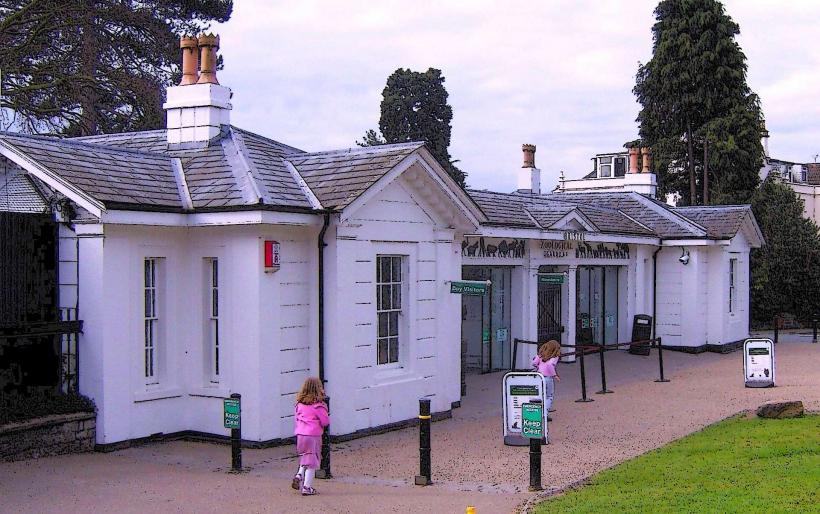
Bristol Zoo Project (site): 0.5km North
Leigh Woods National Nature Reserve: 0.1km West
Royal York Crescent: 0.6km East
University of Bristol Botanic Garden: 1.2km North