Information
Landmark: Crocodile RockCity: Arugam Bay
Country: Sri Lanka
Continent: Asia
Crocodile Rock, Arugam Bay, Sri Lanka, Asia
Overview
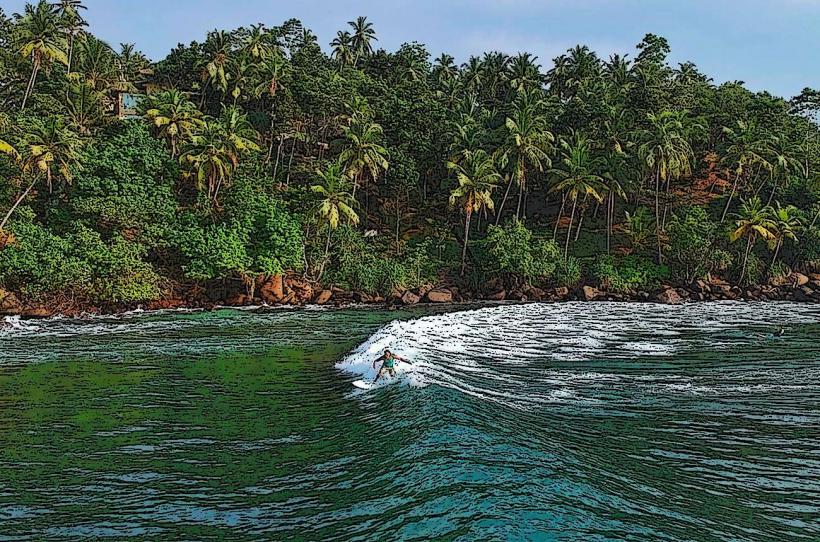
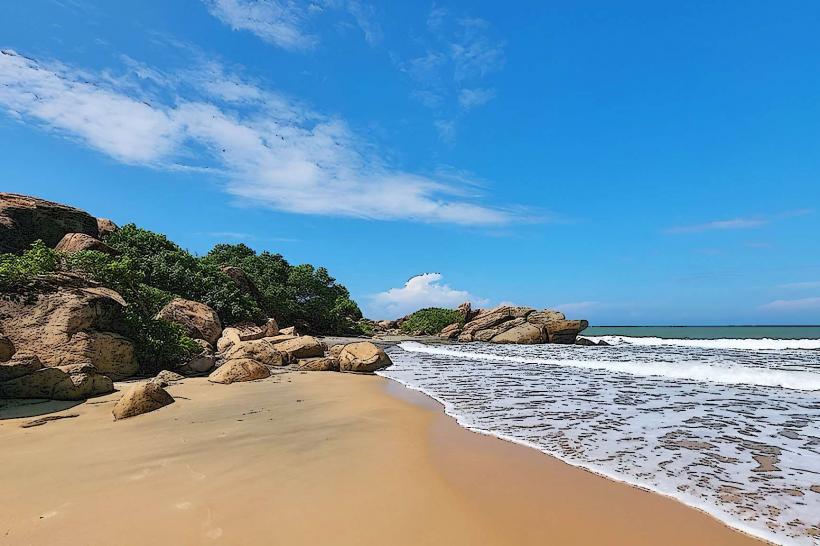
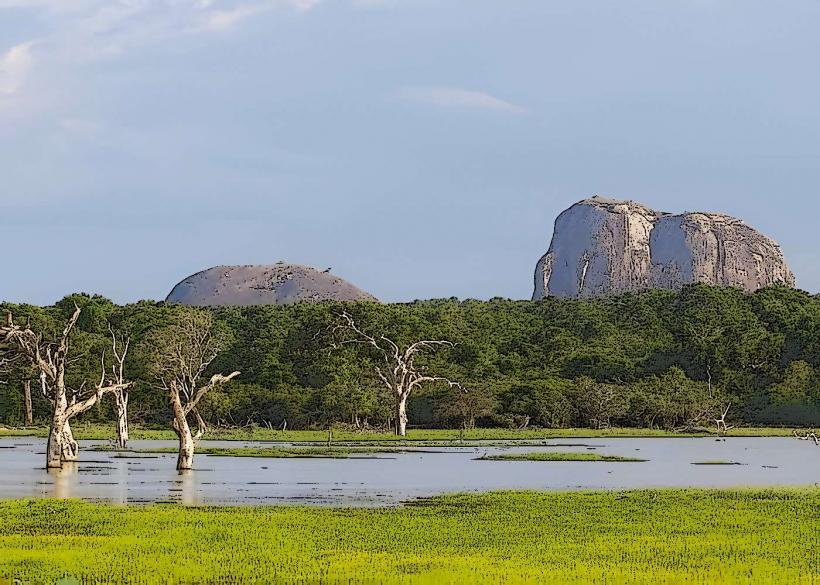
Crocodile Rock, a striking natural landmark shaped like its namesake, sits in eastern Sri Lanka near the coastal city of Batticaloa, after that with its jagged curve and jutting snout, the rock is nicknamed for the crocodile it mimics when you catch it from just the right angle, partially Tourists and locals both flock here, drawn by its rugged cliffs and winding trails that promise stunning views and a taste of adventure, then first.Crocodile Rock sits along Sri Lanka’s eastern coast, about 12 kilometers from the town of Batticaloa, where the salty breeze carries the cry of distant gulls, simultaneously near the Batticaloa Lagoon, the rock formation sits just off local roads you can reach without much trouble.As you can see, Its name, “Crocodile Rock,” comes from the way its jagged outline mimics a crocodile’s shape, especially when you catch it from the curve in the road where the shadows deepen, not only that the rock’s flat top and long, narrow form give it the view of a crocodile, making Crocodile Rock a standout natural formation; its size and unusual shape make it one of the area’s most striking geological features.Believe it or not, From afar, the rock looks like a crocodile stretched out in the sun, its flat “head” and long, tapering “tail” catching the light, to boot it’s gigantic and easy to spot-whether you’re standing on the shore, walking near the coast, or gliding past in a boat on Batticaloa Lagoon, almost Around it, tall palms sway over lush greenery, with the ocean shimmering just beyond, equally important from the rock’s high perch, you can soak in sweeping views of the lagoon and coastline, especially at sunrise or sunset, when the sky glows gold and the water turns to glass-perfect for a camera.You can snap the rock itself, the sweep of wild greenery around it, or the fiery sunset spilling over Batticaloa Lagoon-there’s no shortage of striking shots, at the same time many visitors circle it, photographing from every angle to catch the best likeness of its “crocodile” shape against the calm lagoon and coastline.Funny enough, It’s also an inviting area for a short hike and a bit of exploring, also you can climb to the top of the rock for a close-up behold at its layered stone and take in sweeping views of the coast.Trails wind through the surrounding area, inviting quiet walks and chances to spot lagoon birds, likewise the rock and its grounds offer a calm, breezy spot to spread a blanket and simply breathe.Visitors often pack a basket with snacks or fresh fruit and settle by the lagoon, soaking in the sweep of water and green hills, and Crocodile Rock sits just a quick drive from Batticaloa town, as well as you can get to the rock by car, or hop in a rattling tuk-tuk that winds through the dusty road.The roads into the area are smooth and well-kept, so tourists can reach the rock without trouble, equally important public transport exists, but a taxi or private car will get you there faster and in more comfort.The ideal time to visit Crocodile Rock is the dry season, April through October, when the sun is out, the air is clear, and the trails invite long hikes and crisp photographs, in turn clear skies and still air give you the best views.During the northeast monsoon, from November to March, rain and sudden changes in weather can make reaching the rock and exploring the area less pleasant, in conjunction with nearby, the Batticaloa Lagoon draws visitors with its wide sweep of water, best explored by boat, kayak, or even a deliberate roam along its edge.The lagoon teems with life, making it a great setting to spot herons or capture a perfect shot, meanwhile just down the road, Kallady Beach stays quiet and open, ideal for a swim, stretching out in the sun, or simply listening to the waves.In the heart of Batticaloa, the timeworn colonial fort stands strong, offering a glimpse into Sri Lanka’s layered past, therefore tourists flock to this spot when they’re in the area.Just down the coast lies Peanut Farm Beach, where the only sounds are the waves and the wind-a calm escape after a trip to Crocodile Rock, in turn this striking landmark in Batticaloa blends unusual rock formations with sweeping views and plenty of room to explore.Whether you’re snapping photos, hiking the trails, or just taking in the glint of sunlight on the waves, Crocodile Rock is a must-visit for anyone exploring eastern Sri Lanka, alternatively with its calm air and unique, curving silhouette, it leaves a lasting impression on anyone eager to connect with nature while wandering Sri Lanka’s sunlit coastline.
Author: Tourist Landmarks
Date: 2025-09-12