Information
Landmark: Derinkuyu Underground CityCity: Cappadocia
Country: Turkey
Continent: Asia
Derinkuyu Underground City, Cappadocia, Turkey, Asia
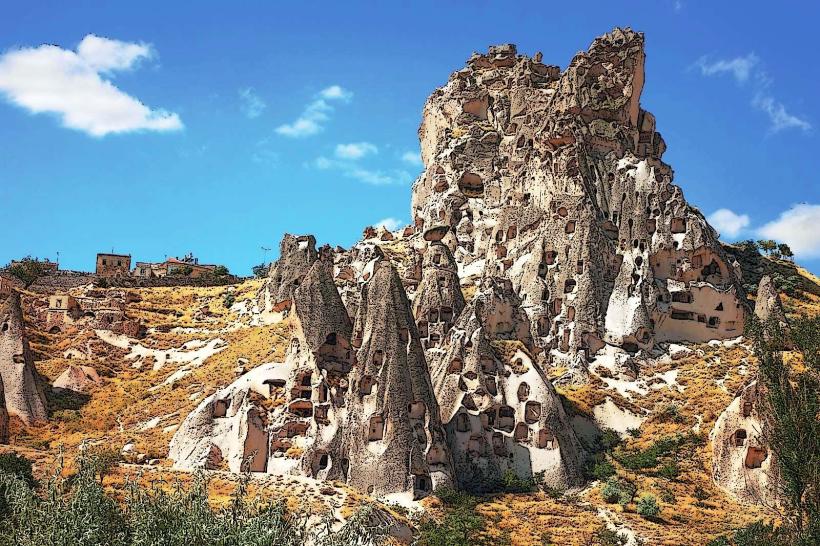
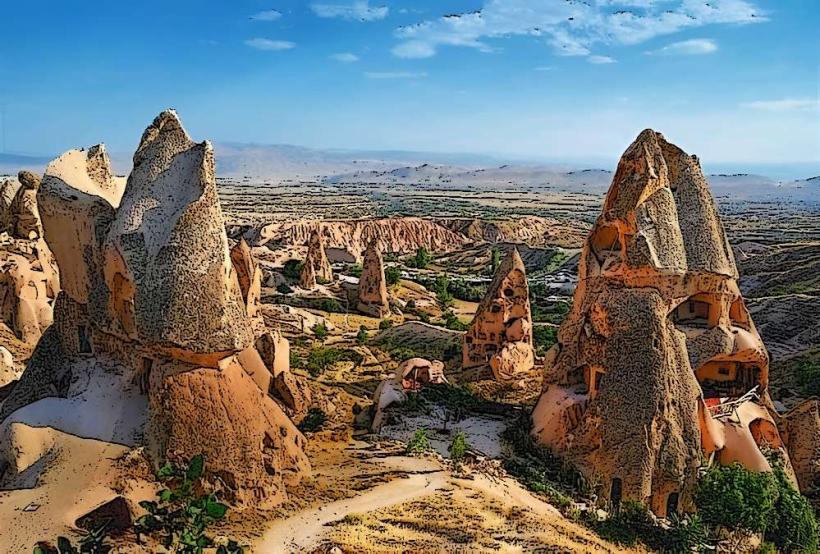
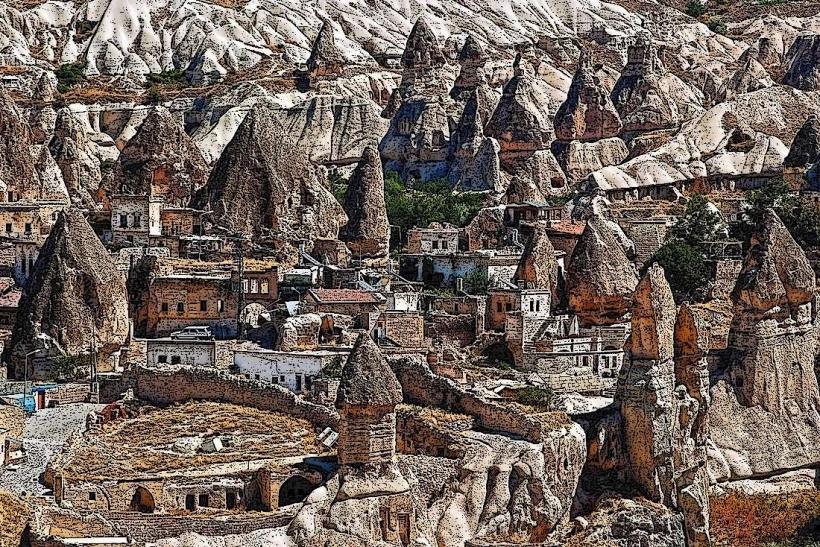
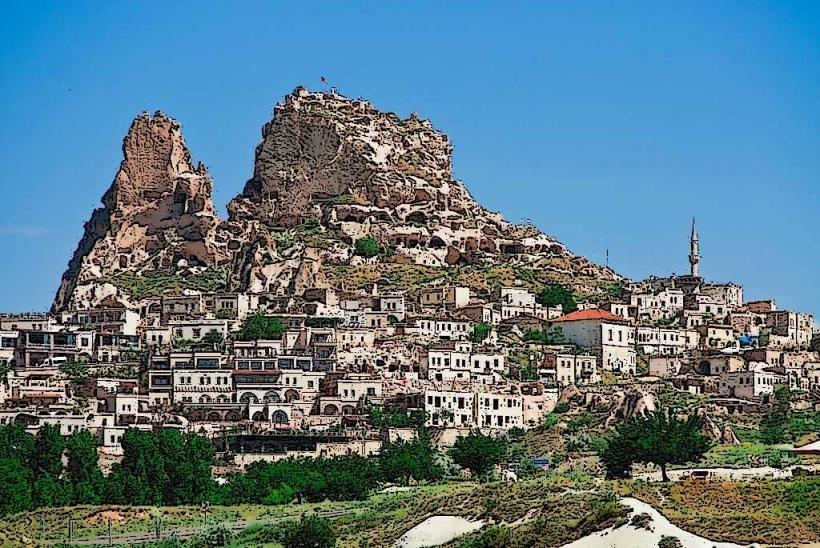
Derinkuyu Underground City is one of the most fascinating and historically significant attractions in Cappadocia, Turkey. Located in the Nevşehir Province, it is one of the largest and deepest of the many underground cities in the region. The city is a testament to the ingenuity of ancient civilizations that sought refuge underground for protection, survival, and community life. It has become one of Cappadocia's most popular and intriguing tourist destinations.
History and Discovery:
The Derinkuyu Underground City is believed to have been built as early as the Hittite period (around 2000 BCE), though it was expanded and used extensively during the Byzantine period (4th to 10th centuries AD) when early Christians sought shelter from Arab invasions and religious persecution.
Ancient Civilizations: While the origins of the underground city are not entirely clear, it is believed to have been used by various civilizations, including the Phrygians and Romans, before being further developed by the Byzantines. Its strategic location and subterranean design offered refuge and defense during times of war and conflict.
Rediscovery: Although the underground city has been known to local residents for centuries, it was rediscovered in the 1960s when a local resident found a hidden room behind a wall in his home. This led to further excavation and exploration of the site, revealing the extent of the underground complex.
Structure and Layout:
Derinkuyu is an incredible multi-level underground city that extends as deep as 60 meters (200 feet) below the surface. The city is believed to have accommodated up to 20,000 people at its peak, with provisions for living, storage, and defense. The layout is intricate, with a series of tunnels, rooms, ventilation shafts, and wells.
Levels: The underground city has 18 levels, though only 8 levels are accessible to the public. Each level served a specific function, such as living quarters, kitchens, storage areas, communal spaces, and even places of worship. The city was designed to allow its inhabitants to live and work underground for extended periods, with everything needed for daily life provided within the city.
Living Areas: The underground city had a variety of rooms, including sleeping areas, kitchens, and communal spaces. There were also storage areas for food and water, ensuring the residents could survive in isolation for extended periods.
Ventilation System: One of the most impressive aspects of Derinkuyu is its sophisticated ventilation system. There are multiple ventilation shafts throughout the city, some of which reach the surface, allowing fresh air to circulate throughout the complex. This was vital for the survival of those living underground.
Water Supply: The underground city also had access to a reliable water supply through wells that were dug deep into the earth. This made it possible for the inhabitants to remain underground for long periods without having to emerge to the surface.
Defense Mechanisms: The city was designed with defense in mind. Large, circular stone doors could be rolled across entrances to block access to the city, providing protection from invaders. These doors could only be operated from the inside, making them difficult to breach. Additionally, narrow tunnels and passageways helped prevent large groups of attackers from easily invading the city.
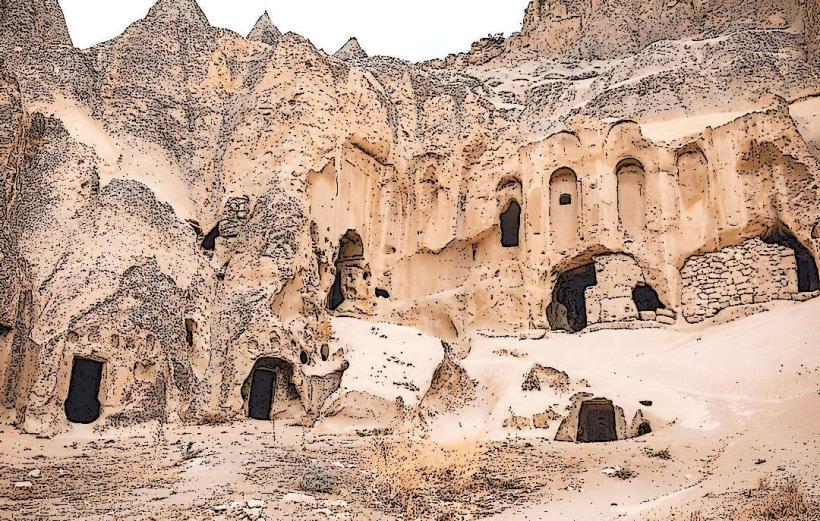
Religious and Communal Spaces: There are also churches and chapels carved into the rock, with frescoes and religious symbols. The Christians who lived in Derinkuyu used these spaces to hold secret worship services while hiding from their persecutors.
Key Features of Derinkuyu Underground City:
The Entrance: The main entrance to Derinkuyu is located in the town of Derinkuyu. It is relatively unassuming at ground level, but once inside, you descend into a vast network of rooms and tunnels.
The Tunnels: The tunnels are narrow and winding, leading to different sections of the underground city. Some tunnels are only large enough for a single person to pass through, and others are wider, allowing for a group of people to move through.
The Wine Cellars: Derinkuyu is also known for its wine cellars, where wine was stored in large vats. The wine was an important part of daily life and was often used for trade, ceremonies, and social gatherings.
The Meeting Rooms: There are rooms designated for communal activities, including places for people to gather for meetings or social events. These rooms provided a sense of community in an otherwise isolated environment.
The Stables: Some levels of the underground city had stables for animals, ensuring that livestock could also be protected in times of danger.
The Tombs: Like many other underground sites in the region, Derinkuyu includes tombs where the deceased were buried. These tombs were often located in secluded parts of the city to avoid disturbing the living.
The Defensive Features: The large stone doors that could be rolled across the entrances were essential for defense. Additionally, the narrow tunnels made it easier for the inhabitants to defend themselves from invaders.
Visiting Derinkuyu Underground City:
Accessibility: Derinkuyu is located about 30 km (19 miles) south of the town of Nevşehir and can be easily reached by car, bus, or organized tours. The underground city is open to the public, and visitors can explore its tunnels, rooms, and chambers.
Guided Tours: While it is possible to visit the site on your own, many visitors opt for guided tours to gain a deeper understanding of the history and layout of the city. Local guides are knowledgeable about the history of the city and can provide interesting facts and stories about its construction, use, and significance.
Tourist Experience: Visitors will typically descend into the underground city via a series of stairs that lead to the first level. From there, they can explore the various chambers and passageways. It's worth noting that some parts of the city can be quite cramped and require careful navigation, so wearing comfortable clothing and shoes is recommended.
Best Time to Visit: Derinkuyu is open year-round, but the best times to visit are in the spring (April to June) and autumn (September to October), when the weather is mild and there are fewer tourists. Summer can be hot in Cappadocia, especially in the tunnels, so be prepared for the temperature differences as you descend underground.
Conclusion:
Derinkuyu Underground City is a remarkable feat of engineering and a fascinating glimpse into the lives of ancient civilizations in Cappadocia. Its vast network of tunnels, rooms, and hidden chambers tells the story of a people who sought refuge underground for protection during times of conflict and invasion. Visiting Derinkuyu allows you to step back in time and explore a hidden world that once provided sanctuary for thousands of people. It’s an unmissable attraction for anyone interested in history, archaeology, and the unique culture of Cappadocia.