Information
Landmark: Durban HarbourCity: Durban
Country: South Africa
Continent: Africa
Durban Harbour, Durban, South Africa, Africa
Durban Harbour is one of the largest and busiest ports in Africa, and it plays a critical role in South Africa's economy and global trade. Located in Durban, the port serves as the primary gateway for trade along the eastern seaboard of South Africa, handling a significant portion of the country's import and export activity. The harbor is strategically positioned along the Indian Ocean, offering easy access to international shipping routes.
Overview and Location
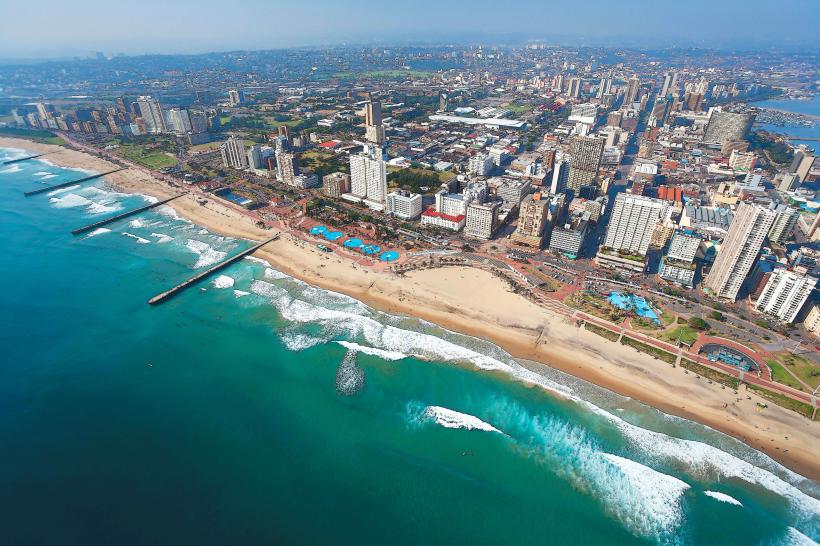
Durban Harbour is situated in the heart of Durban, KwaZulu-Natal, approximately 5 kilometers from the city center. It is protected by the Moses Mabhida and Point breakwaters, which shelter the harbor from the rough seas of the Indian Ocean.
The harbor is divided into various sections, including:
Container Terminals
Bulk Cargo Terminals
Liquid Bulk Terminals
Fishing Harbors
Passenger Terminals
The port is also closely linked to the Durban City Center and M4 highway, making it easy for goods to be transported to and from the port by road.
Economic and Strategic Importance
Durban Harbour is an essential part of the South African economy, and it is the largest port in the country by cargo volume. Its operations are vital for trade, both within Africa and internationally.
Trade Hub: The port handles an enormous volume of goods annually, including containerized cargo, liquid bulk, and breakbulk. It serves as a critical gateway for South Africa’s imports and exports of goods such as automobiles, chemicals, minerals, machinery, and agricultural products.
Containerization: Durban is South Africa’s principal port for container traffic, and the Port of Durban Container Terminal is one of the busiest on the African continent. It has specialized facilities to handle containers of all sizes, facilitating the quick and efficient transfer of goods from ships to trucks or trains.
Transshipment: The harbor also serves as a transshipment hub, facilitating the movement of cargo between ships that may not have direct routes to other parts of the world. Durban's location allows it to serve a wide range of shipping lines, connecting it to ports across the globe.
Key Features of Durban Harbour
1. The Port of Durban Container Terminal (PDCT)
The PDCT is the heart of the harbor’s operations, handling the majority of containerized cargo coming in and out of South Africa. The terminal has sophisticated equipment like cranes and container handlers that enable fast and efficient loading and unloading of goods. It is well equipped to handle large vessels, including Panamax ships.
2. Bulk and Liquid Cargo Terminals
Bulk cargo (like coal, iron ore, and grain) is handled at specialized terminals in the harbor. These terminals have conveyor systems and other specialized equipment to move large volumes of materials efficiently.
The Liquid Bulk Terminal is used for handling liquids such as petroleum, chemicals, and vegetable oils. This area includes storage tanks and pipelines for the safe transfer of these materials.
3. Fishing Harbors
Durban Harbour is also home to several fishing harbors, where commercial and recreational fishing vessels dock. The harbor area serves as a base for the local fishing industry, supporting a wide range of fishing activities.
4. Passenger Terminal
The Durban Passenger Terminal is primarily used for cruise ships, with several cruise liners docking at the harbor each year. It serves as an important port for tourism, welcoming international tourists on cruises that stop in Durban as part of their itinerary along the eastern coast of Africa.
5. The Point Waterfront Development
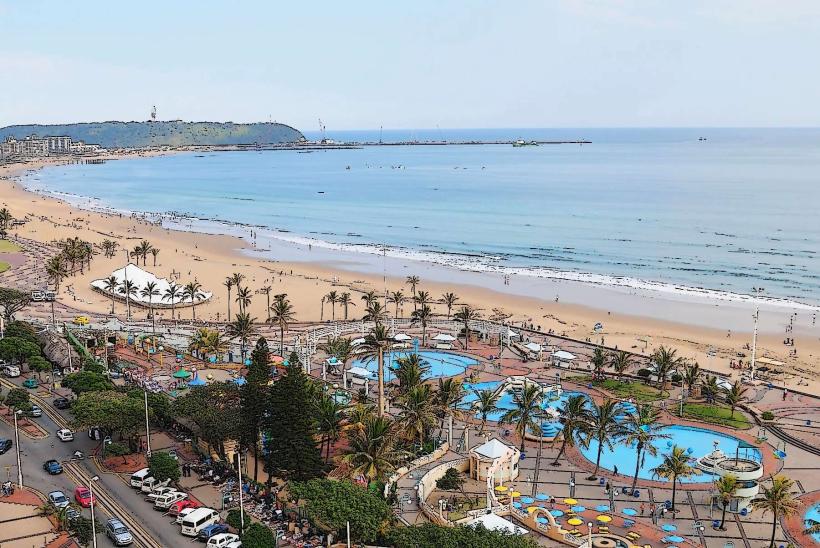
The Point Waterfront area is a prominent development along the harbor. It includes mixed-use facilities such as hotels, restaurants, apartments, and retail spaces, making it a vibrant, cosmopolitan part of Durban. This area provides views of the harbor, adding to the aesthetic appeal of the area.
Harbor Activities and Tours
While the harbor is primarily a commercial port, it is also a popular destination for tourists and locals, offering a range of activities and tours.
1. Harbor Tours
Harbor boat tours offer an exciting way to explore the port area. Visitors can enjoy views of the industrial activities, see the ships docked at various terminals, and learn about the history and operations of Durban’s harbor. The tours also provide an opportunity to witness the diversity of marine life, as the waters around the harbor are home to various species of fish, dolphins, and even whales in season.
2. The Point Waterfront
The Point Waterfront development, located along the harbor’s edge, is home to a number of cafés, restaurants, and shopping malls, making it an excellent spot to relax and enjoy the view of the harbor. This area is popular for leisure walks, waterfront dining, and boating activities.
3. Maritime Museum
The Durban Maritime Museum is located near the harbor and is a great way to learn about the history of Durban's maritime industry. The museum features exhibits on shipbuilding, maritime navigation, and the port’s role in South Africa’s economic development. It also has a collection of historical vessels and nautical artifacts.
4. Fishing and Water Sports
The harbor offers excellent opportunities for recreational fishing and water sports. Locals and tourists often fish off the piers or take part in kayaking and jet skiing around the harbor area. The Durban Marina also provides access to the Indian Ocean for sailing enthusiasts.
Environmental and Sustainability Efforts
Due to its immense size and importance, Durban Harbour has a major environmental impact on the surrounding area. However, there have been efforts to minimize this impact through various sustainability initiatives:
Port Expansion: Plans for further expansion of the port are underway, which include environmental assessments and strategies to reduce pollution and improve sustainability.
Marine Life Conservation: Environmental groups and port authorities work together to monitor and protect marine life in the harbor area. The port conducts regular environmental audits and adheres to strict regulations regarding water quality and pollution control.
Eco-friendly Shipping Practices: Initiatives to reduce carbon emissions and pollution from ships are being introduced, including green technologies and environmentally friendly port facilities.
Importance of Durban Harbour
Durban Harbour is of enormous economic, commercial, and strategic importance to South Africa and the SADC region. As the gateway for imports and exports on the eastern seaboard, it facilitates the movement of goods across Africa, and its role as a maritime hub connects South Africa to global markets. The harbor also supports a wide range of industries, including fishing, tourism, and manufacturing, and is vital for South Africa’s position in international trade.
Its combination of modern infrastructure, efficiency, and proximity to one of South Africa’s largest cities makes Durban Harbour a critical player in the nation’s economic landscape.