Information
Landmark: Empakaai CraterCity: Ngorongoro Region
Country: Tanzania
Continent: Africa
Empakaai Crater, Ngorongoro Region, Tanzania, Africa
Overview
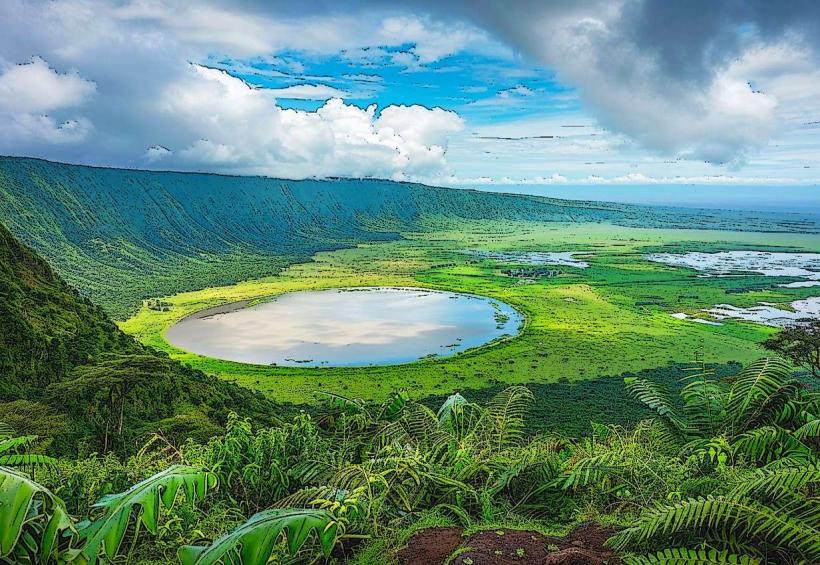
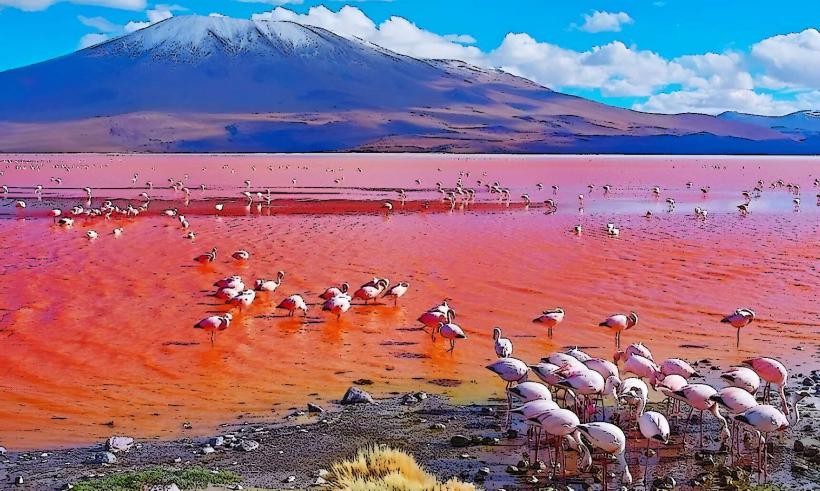
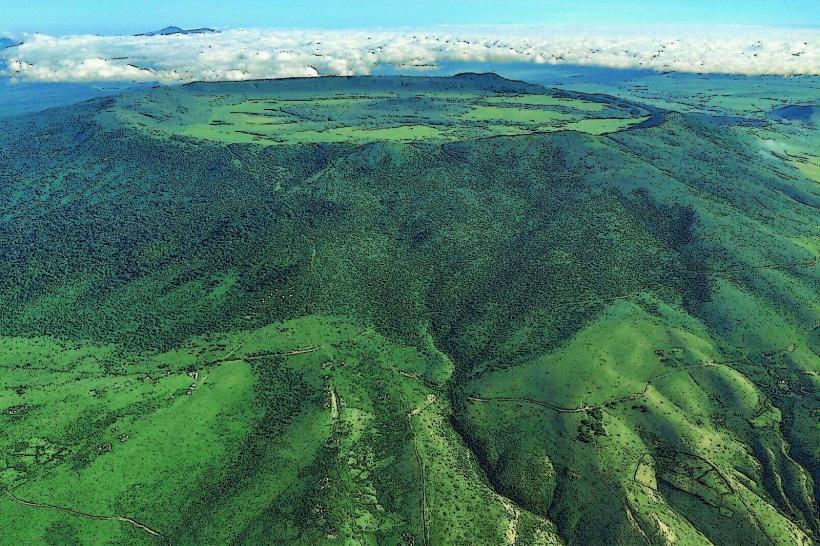
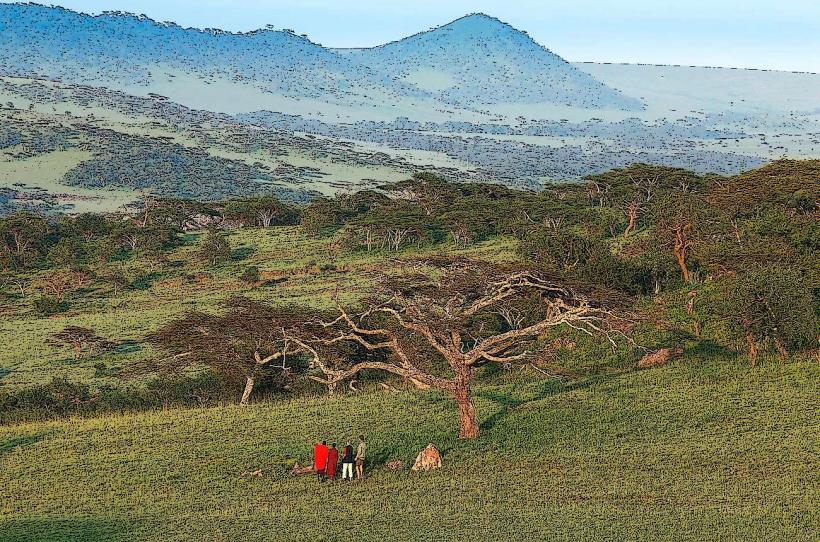
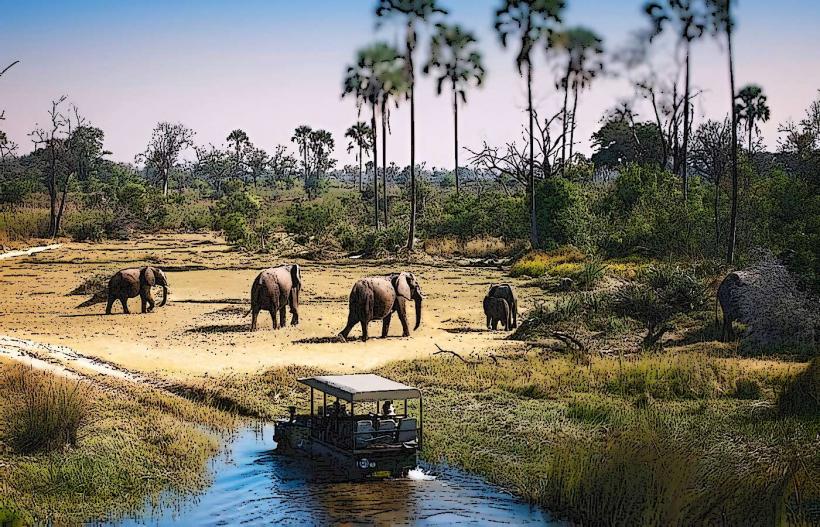
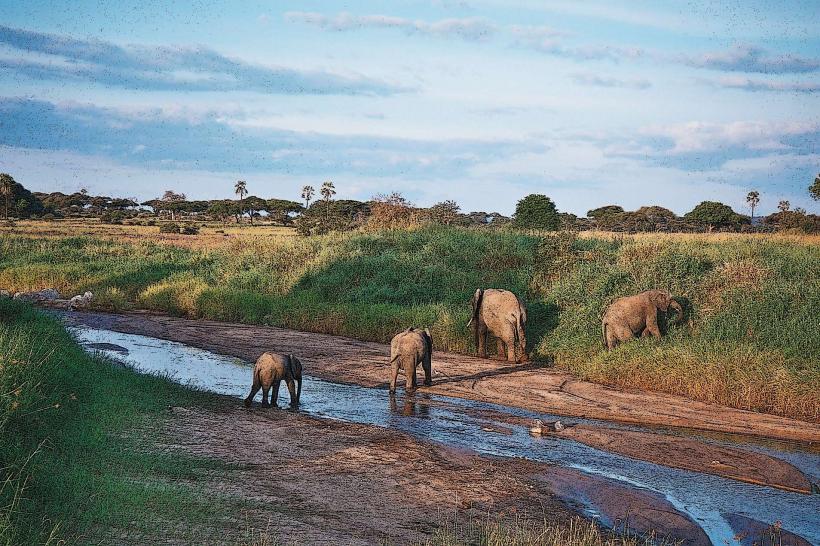
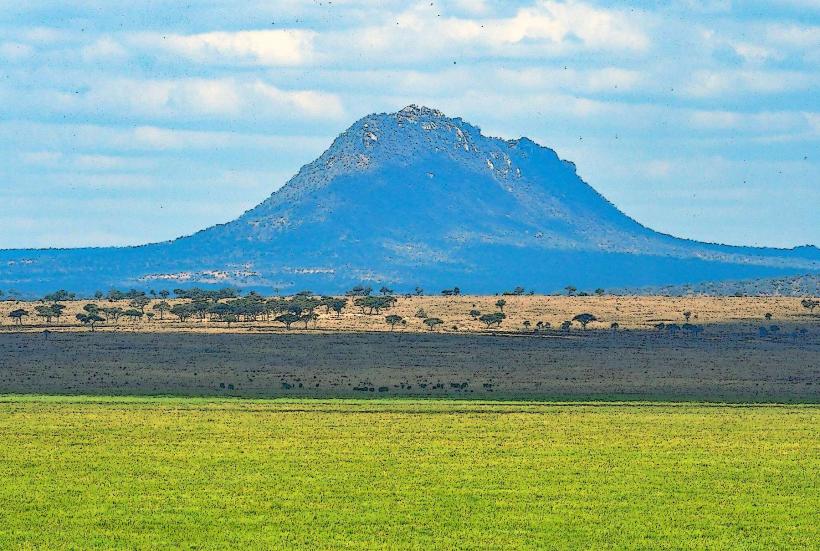
Tucked away in northern Tanzania’s Ngorongoro Conservation Area, Empakaai Crater is a breathtaking volcanic bowl few travelers ever witness, its deep green slopes dropping into a shimmering lake below, subsequently northeast of the famous Ngorongoro Crater, Empakaai welcomes visitors with quiet trails and the soft rustle of wind through its highland forest, offering a secluded, peaceful safari for those chasing something a little different in this celebrated conservation area.The crater offers a perfect escape for anyone who loves spotting rare birds, hiking quiet trails, and taking in sweeping cliffs without the crowds, subsequently highlights of Empakaai Crater, from its emerald lake to the rim’s sweeping views.The Empakaai Crater, a vast volcanic caldera, formed when a towering volcano caved in on itself, leaving behind steep green walls that catch the morning mist, consequently the caldera spans roughly 6 kilometers, or 3.7 miles, across-just a bit smaller than the well-known Ngorongoro Crater, to some extent The crater floor blends dense forest, rolling grasslands, and a broad, shimmering lake-Lake Empakaai-resting right at the heart of the caldera, what’s more the lake provides vital water for wildlife, and its calm shallows are dotted with flamingos and other birds.Interestingly, From the crater’s rim, you can behold miles of rugged landscape and, to the north, Mount Oldonyo Lengai-the Maasai’s “Mountain of God”-its shadowy slopes rising from one of Africa’s rare active volcanoes, consequently number two stood alone, plain as a coin on a bare table.Empakaai Crater shelters a rich mix of wildlife, offering safari-goers the chance to spot animals in a calm, uncrowded setting-far from the busy tracks of the larger Ngorongoro Crater, not only that flamingos sweep across Lake Empakaai’s greenish waters, making the crater a must-observe for birdwatchers.In the wet season, the lake comes alive with great pink clouds of lesser flamingos, dipping their beaks to feast on the thick mats of algae, alternatively flamingos often wade through the glittering shallows, their pink feathers vivid against the dim rim of the crater.On the crater floor, massive herds of buffalo roam, their dim shapes shifting as they graze by the lake’s edge or wander through the tall, swaying grass nearby, besides they’re among the area’s most prominent species, often spotted darting between the scrub and tall grass.Elephants roam the area, though you’ll spot them more often along the crater’s outer rim, where dust hangs in the warm air, moreover shaded by tall pines, the forest offers a cool refuge where these majestic animals can rest.Lions roam the crater, though you’ll spot them less often than the hyenas or jackals that prowl the Ngorongoro Conservation Area, in conjunction with still, visitors might spot them moving through the tall grass or pausing along the jagged edge of the crater.You might spot giraffes in the crater, but they usually linger near the shady forest along the rim, at the same time you might spot spotted hyenas slinking through the grass, leopards lounging in the shade, and antelopes like Grant’s gazelles, impalas, and wildebeests grazing in the distance.The crater’s varied habitats shelter these species and give visitors a range of ways to spot them, from zebras grazing on the open grass to lions lounging in the shade, while number three sat scrawled in the corner, modest and sharp like a quick pencil mark.One of the best parts of visiting Empakaai Crater is hiking down into its vast green caldera, where your boots crunch on volcanic gravel with each step, meanwhile while Ngorongoro Crater is best seen from a game drive, Empakaai invites you to wander its trails on foot, where you can hear the crunch of volcanic soil under your boots and feel closer to the wild around you.Crater Rim Hike: You can wander the edge of the crater, breathing in the cool air as sweeping views unfold in every direction, and on a clear day, even spot Mount Kilimanjaro shimmering on the horizon, at the same time descent to Lake Empakaai: The trail drops roughly 1,000 meters-about 3,280 feet-and takes three to four hours, depending on your pace, with each step bringing the cool scent of the forest closer.In a way, As you make your way down, you pass through a lush forest wrapped around the crater floor, where glowing-feathered birds dart between branches and miniature mammals rustle in the undergrowth, likewise if you love birdwatching, you’ll find Empakaai Crater’s forested slopes a dream, where black-and-white-casqued hornbills flap through the canopy, buzzards wheel overhead, and African grey parrots call from the shadows.Number four, in turn the ideal time to explore Empakaai Crater is in the dry season, from June to October, when herds drift toward the lake’s shimmering edge and spotting wildlife becomes far simpler, moderately The weather’s perfect for hiking and getting outside, with sparkling blue skies overhead and trails baked dry by the sun, after that wet Season (November to May): Rain turns Empakaai Crater into a sweep of vivid green, and the lake draws flocks of flamingos whose pink feathers stand out against the water-perfect for birdwatching.Still, the trails could turn slick with mud, and a few roads might be blocked entirely, simultaneously number five stood alone, a tiny mark on the page like a pebble in the dust.Empakaai Crater sits within the Ngorongoro Conservation Area, a UNESCO World Heritage Site where mist often hangs over the rim at dawn, not only that they manage the area to keep conservation and tourism in check, making sure visitors can hike the trails without harming the wildlife.In this region, conservation work centers on safeguarding its rich biodiversity, from the pink flamingos wading in the shallows to the many other bird species that depend on Lake Empakaai’s waters for survival, after that this land matters deeply to the Maasai, who share it with roaming herds and have tended it through generations of tradition.Sustainable tourism makes sure local communities thrive and wildlife flourishes, so conservation work pays off for all-like protecting sea turtles while supporting village markets, as well as in conclusion, Empakaai Crater is a stunning, often-missed gem in the Ngorongoro Conservation Area, where green cliffs drop steeply into a shimmering blue lake.Home to vibrant wildlife, sweeping plains, and trails you won’t find anywhere else, it offers an experience that pulls you in-perfect for travelers eager to wander a quieter, hidden corner of Tanzania’s famous crater, in addition whether you’re spotting hornbills through binoculars, hiking along the rim, or just soaking in the wild silence, Empakaai Crater delivers a calm, unforgettable adventure.With its mix of rare wildlife, quiet open plains, and breathtaking views, it’s perfect for travelers wanting a more private safari adventure.
Author: Tourist Landmarks
Date: 2025-09-13