Information
Landmark: Guilin Lijiang National ParkCity: Guilin
Country: China
Continent: Asia
Guilin Lijiang National Park, Guilin, China, Asia
Overview
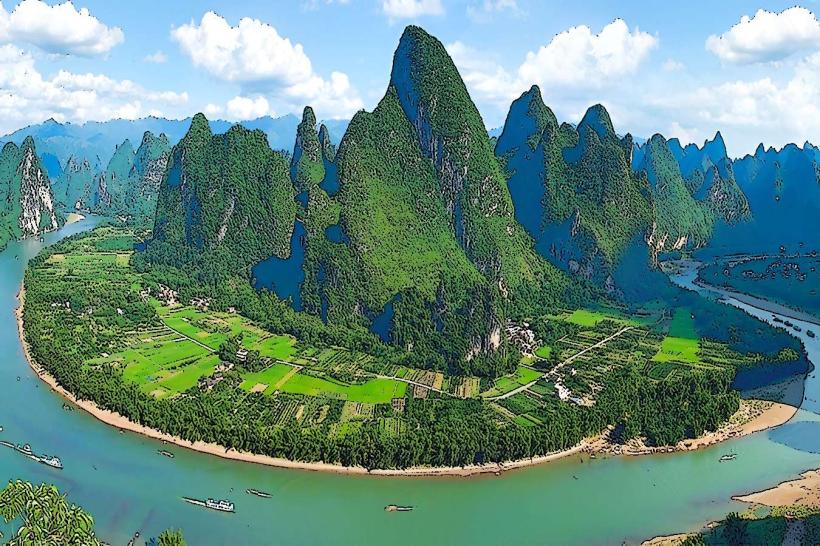
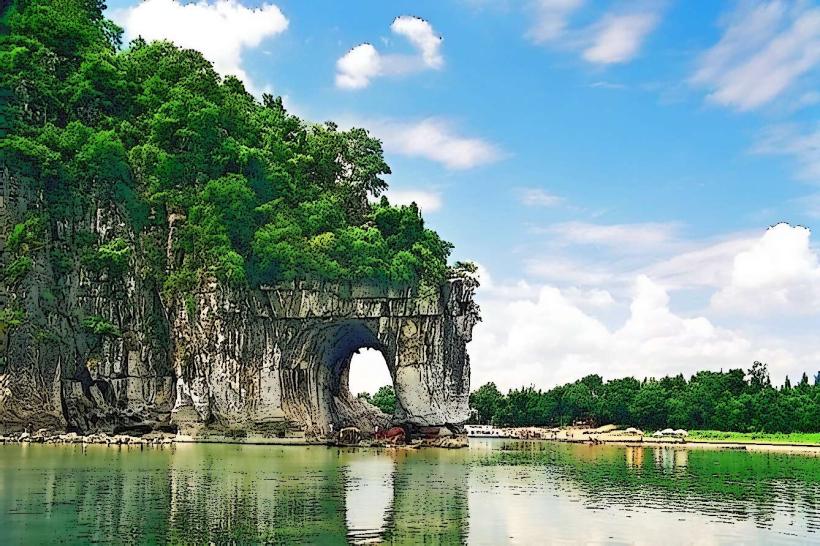
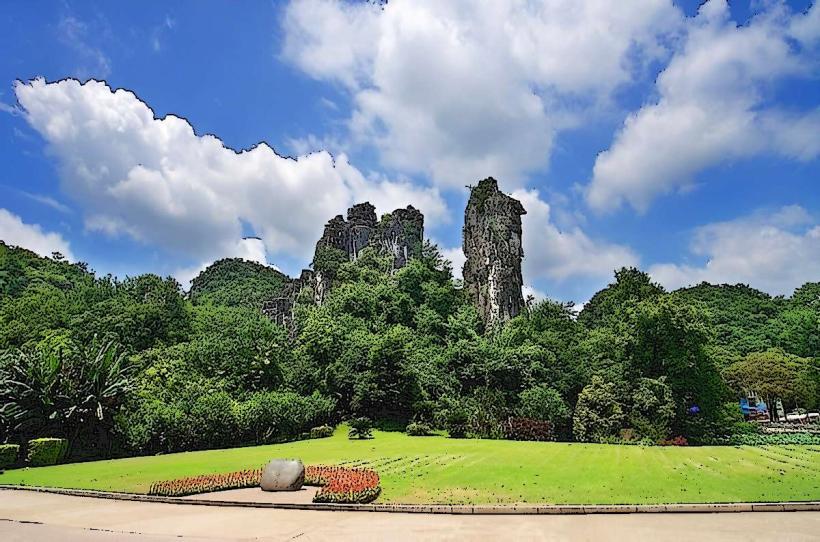
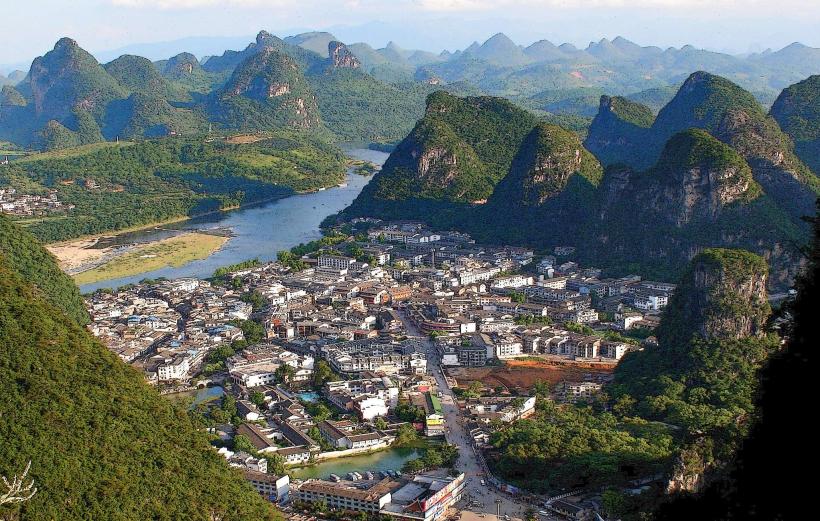
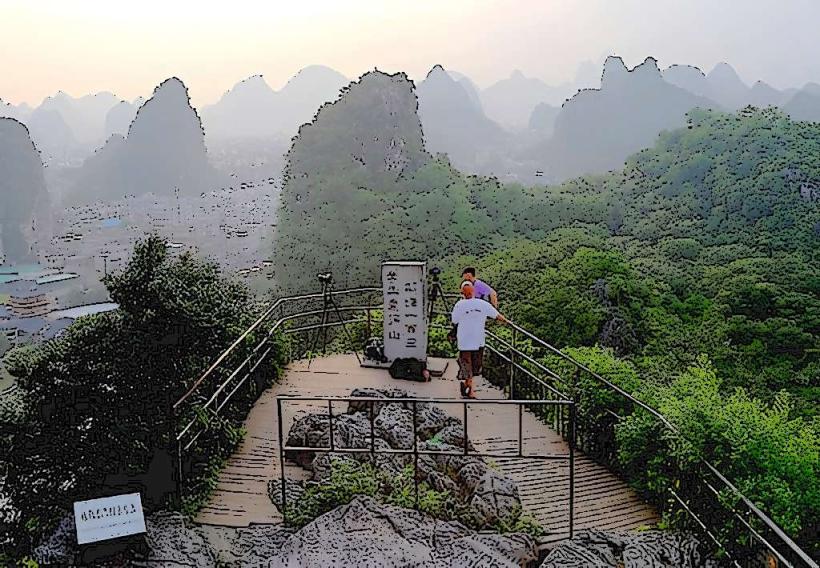
Guilin Lijiang National Park (桂林漓江国家公园) lies in Guilin, nestled among the limestone peaks of Guangxi Zhuang Autonomous Region in southern China, then this national park ranks among China’s most charming places, known for its dramatic karst cliffs, sharp limestone peaks, and calm, glassy rivers like the Li and Lijiang, sort of As it turns out, The park safeguards the region’s famed landscapes, from rugged cliffs to quiet meadows, while also protecting its wildlife, diverse habitats, and rich cultural traditions, in turn first.Guilin Lijiang National Park stretches across about 1,500 square kilometers-roughly 579 square miles-embracing several well-known scenic spots around Guilin and the winding Li River, in turn scenic features: The park boasts striking karst landscapes, with sheer limestone peaks rising over dim caves, winding rivers, and deep green forests.It includes the region’s best-known sights-the winding Li River, the stone arch of Elephant Trunk Hill, and the wide green trails of Seven Star Park-along with the rolling countryside beyond, then ecological and Cultural Significance: The park shelters a rich mix of plants and wildlife, from the rare Chinese river dolphin gliding through its waters to flocks of sparkling-feathered waterfowl.This region holds deep cultural significance, home to the Zhuang and Yao peoples who’ve lived here for centuries, their traditions echoing in the songs that drift across the hills, therefore number two stood out in bold black ink.Guilin Lijiang National Park is packed with scenic trails, centuries‑timeworn temples, and striking limestone peaks that draw visitors in every season, then the Li River (漓江) winds through the park, its jade-green water making it one of China’s most celebrated waterways.Jagged karst hills and towering limestone peaks rise from the earth, forming a breathtaking scene you’ve likely spotted in countless traditional Chinese paintings, while gliding down the Li River from Guilin to Yangshuo, with mist curling over the jade-green hills, is one of the park’s unforgettable highlights.Frankly, Elephant Trunk Hill (象鼻山) is one of Guilin’s most famous sights, its arching rock curve shaped like an elephant dipping its trunk into the clear, rippling river, while it’s a cherished landmark in the city, and visitors can hike to its peak to take in sweeping views of the skyline and the winding Li River below.Seven Star Park (七星公园), just minutes from Guilin’s center, takes its name from seven jagged limestone peaks that rise like gray teeth against the sky, moreover the park has shady caves, weathered stone carvings, and quiet pavilions, making it perfect for a hike or a gradual wander with plenty to behold.Reed Flute Cave (芦笛岩) wows visitors with glittering stalactites and towering stalagmites, making it one of Guilin’s best‑known sights, in turn colorful lights wash over the cave’s jagged formations, making the stone shimmer and deepening its natural beauty.Fubo Hill (伏波山) rises inside the national park, giving you sweeping views of the Li River and the hills that roll away in the distance, what’s more ancient temples, pavilions, and caves scatter the hillside, drawing tourists eager to step close to the jagged karst cliffs and watch the river wind below.Yangshuo (阳朔) sits downstream along the Li River, surrounded by rolling green hills and quiet farm fields, and invites visitors to cycle its winding paths, hike limestone trails, float on bamboo rafts, or scale sheer rock faces, moreover yangshuo buzzes with culture-wander its crowded markets, hear the twang of traditional strings, then stay out late in its lively bars and cafés, sort of Three, as a result the park shelters a rich mix of plants and animals, from pine-covered slopes to rushing rivers and quiet forest floors.Truthfully, The park plays a vital role in protecting wildlife, sheltering species like the critically endangered Chinese river dolphin and flocks of migratory birds that skim low over the water, and flora: The region teems with plant life-tall bamboo, bursts of wildflowers, and dense forests-all thriving in the warm, damp air of its humid subtropical climate.A mix of wildflowers, grasses, and tall trees gives shelter and food to many kinds of animals in the area, then number four’s up next, plain and simple.One of the park’s favorite draws is a Li River cruise, where the boat glides past towering limestone peaks and quiet stretches of green countryside, simultaneously the most popular cruise sails from Guilin to Yangshuo, drifting past green karst peaks for about four to five hours.The route winds past some of the river’s most stunning stretches, taking you through Xingping and Yangdi, where green hills lean close to the water, meanwhile if you’d rather notice the park on foot or by bike, you’ll find plenty of winding hiking trails and scenic cycling routes weaving through Yangshuo and the rolling countryside.Not surprisingly, This region draws mountain biking enthusiasts, leading them through sleepy villages and golden farmland framed by the jagged rise of karst mountains, in conjunction with bamboo Rafting: Besides taking a cruise, you can drift along the Li River on a bamboo raft, gliding past quiet banks where the water smells faintly of rain.This timeworn-fashioned way of traveling lets you drift along the river at an unhurried pace, listening to the gentle splash of the water and taking in the quiet beauty around you, equally important yangshuo’s towering limestone cliffs make it a favorite spot for rock climbers, with pale stone walls that rise straight into the hazy sky.Whether you’re current to climbing or have years under your belt, you can take on this challenge surrounded by sweeping cliffs and clear mountain air, in addition five, mildly As far as I can tell, Cultural Heritage and Local Villages: Scattered through the park are villages of the Zhuang, Yao, and Miao peoples, where you might hear the thump of a drum or smell rice steaming as you step into their daily life, to boot for centuries, these communities have called this land home, and their songs, luminous festivals, and heritage customs still shape the region’s very identity.Just so you know, At the park, you can wander through bustling local markets, taste steaming bowls of traditional Yao dishes, and stroll into quiet ethnic villages along the winding Li River, then this region’s also known for its ethnic handicrafts, from radiant embroidered cloth to tightly woven baskets and cool, clay pottery, moderately Funny enough, Number six stood alone, a compact obscure mark in the corner of the page, alternatively the park’s at its best in spring, when wildflowers brighten the trails from March to May, and in autumn, when crisp air and golden leaves arrive between September and November.Funny enough, These months bring mild weather and a landscape so green it almost glows, making it perfect for hiking trails, picnics, and sightseeing, also from June to August, summer brings heavy heat and sticky air, and it’s the height of tourist season, with thick crowds, especially along the winding banks of the Li River.Still, the river looks breathtaking this time of year, with the water catching the late sun and the landscape lush and green, in turn from December to February, winter brings a calmer pace, fewer crowds, and crisp air that carries the scent of pine.It’s a great moment for anyone who enjoys a quieter park and doesn’t mind the crisp bite of cooler air, what’s more seven.Getting there from Guilin is easy-this lively city is the closest major hub to the national park, with flights, trains, and buses linking it to the rest of China, while from Guilin, you can quickly reach the park’s highlights, from the shimmering Li River to the stone arch of Elephant Hill.
Author: Tourist Landmarks
Date: 2025-09-16