Information
Landmark: Harbour of UshuaiaCity: Ushuaia
Country: Argentina
Continent: South America
Harbour of Ushuaia, Ushuaia, Argentina, South America
Overview
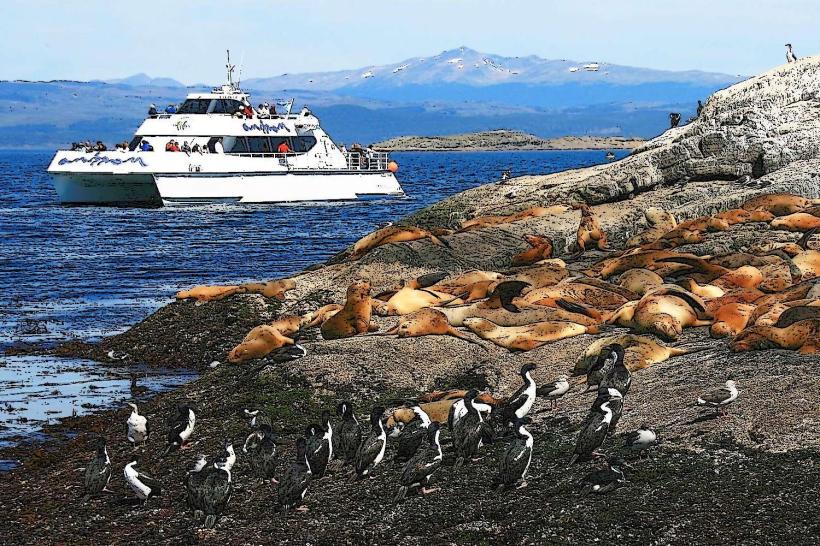
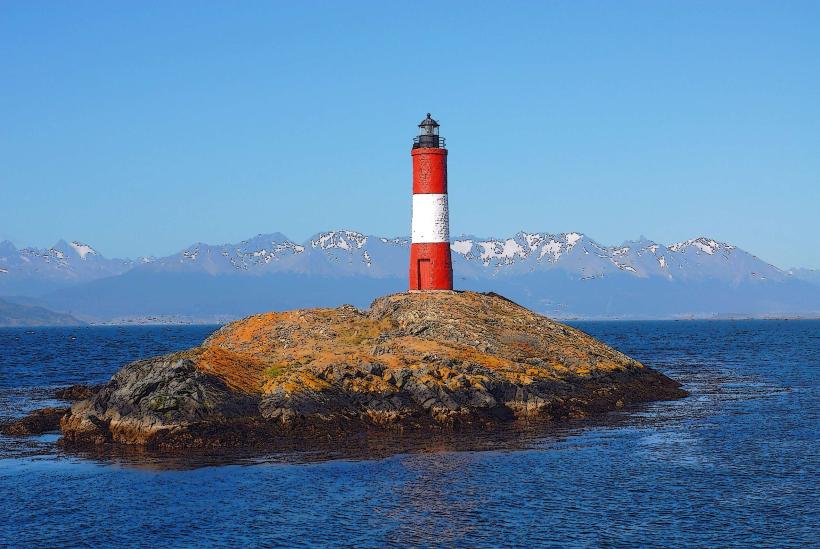
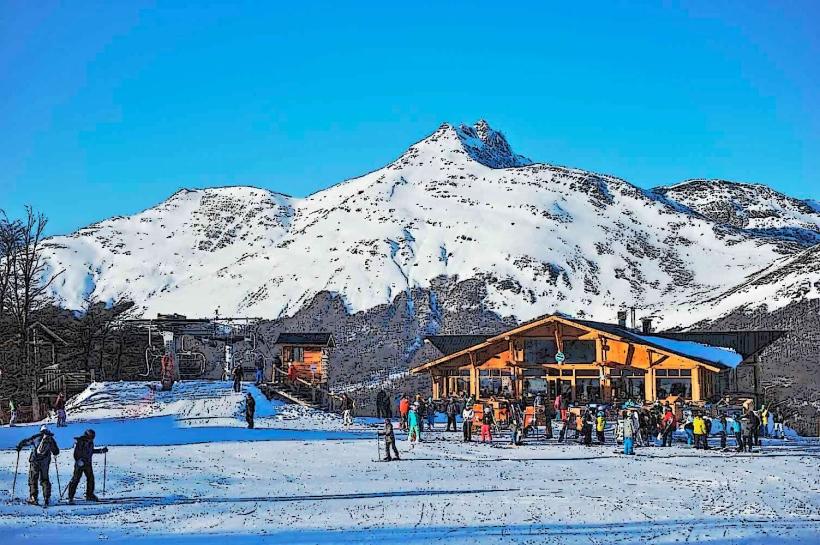
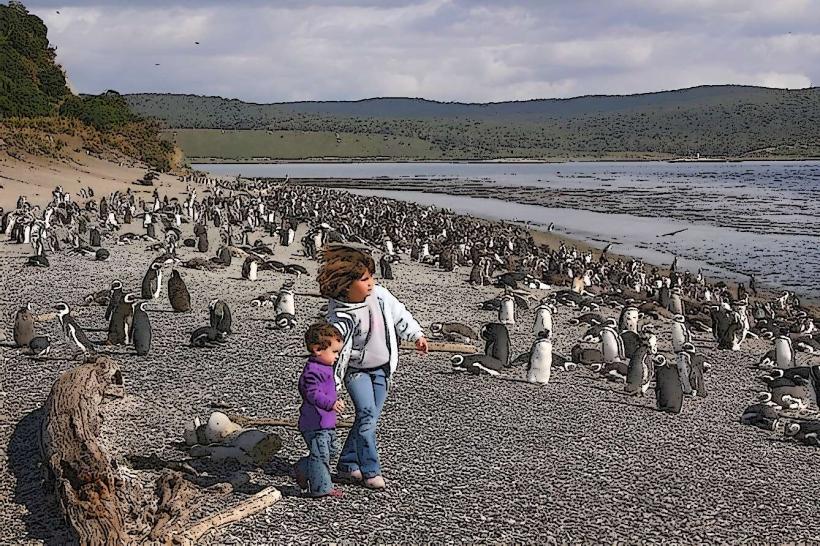
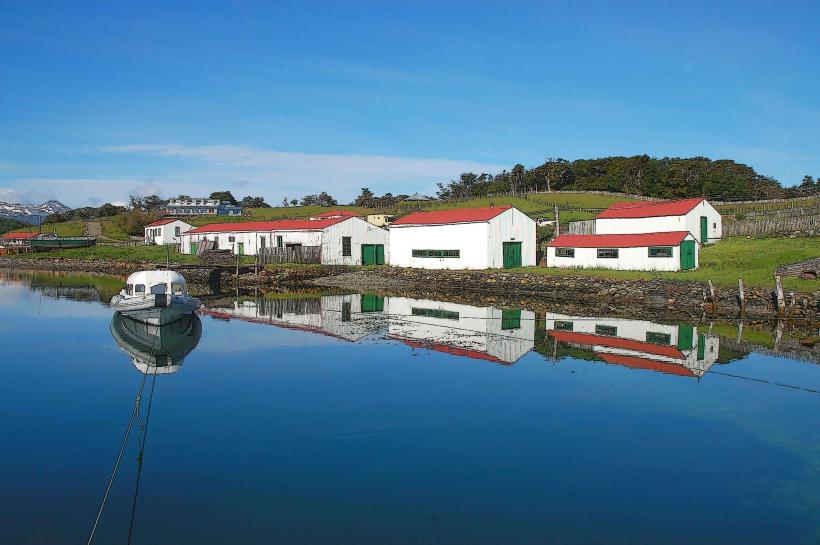
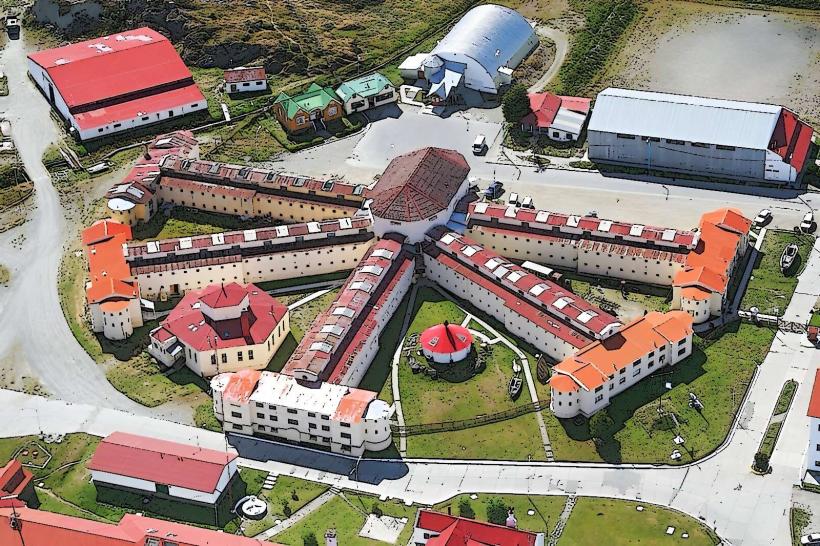
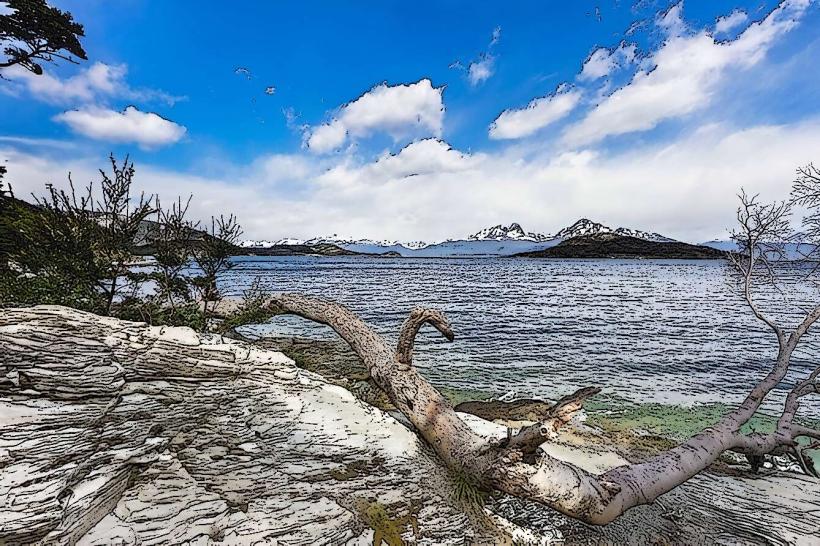
In Ushuaia, Argentina-the world’s southernmost city-the harbor rests on the wind-swept southern coast of Tierra del Fuego, a natural port where fishing boats rock gently against the pier, moreover the harbour anchors the city’s economy and history, drawing tourists who arrive to board ships bound for the Antarctic or to set out toward the wind-carved peaks of Patagonia and the wild shores of Tierra del Fuego.People often call it one of the world’s most scenic and remote harbors, with sheer mountains rising above and deep blue water stretching far into the distance, equally important in the Beagle Channel, Ushuaia’s harbor rests between the Martial Mountains to the north and the Andes to the south, framed by jagged peaks and clear, glassy water.If I’m being honest, At the edge of the world sits the harbour, the Southern Ocean stretching to the south and the rough Drake Passage rolling to the west, a true gateway for ships bound for Antarctica, while it’s the nearest major port to the Antarctic Peninsula, a crucial jump-off point for expeditions bound for the frozen continent, where icy winds greet arriving ships.Ushuaia’s harbor sits tucked between rugged hills, offering calm waters that remain one of the region’s safest havens, even when icy winds whip in from the sea, as a result the harbour of Ushuaia has long been at the heart of the city’s growth, its docks once crowded with fishing boats and supply ships, slightly In the late 1800s, the Argentine government set up Ushuaia as a penal colony, and its crisp, wind‑swept harbor soon became a lifeline for bringing in prisoners and supplies, likewise the harbour played a key role in early voyages to Patagonia, where ships set out toward its windswept coasts and the wild lands beyond.In the 20th century, as ships crisscrossed contemporary routes and trade surged, the harbour’s role as a commercial port swelled-cranes clanked and docks bustled with cargo, as well as today, it’s still a vital hub for cargo and tourism, especially with more Antarctic cruises now setting sail from Ushuaia’s windy docks.Tourism and Cruises Ushuaia’s harbor bustles with cruise ships, especially the ones bound for the icy shores of Antarctica, consequently perched at the tip of Argentina, Ushuaia earns its title as the “Gateway to Antarctica” because it sits so close to the Antarctic Peninsula, where travelers board ships bound for drifting icebergs, penguin colonies, and the wild, windswept edges of the south.Truthfully, From Ushuaia’s harbor, cruises slip through the calm, steel-blue waters of the Beagle Channel, round Cape Horn, and push south into the wild Southern Ocean on their way to Antarctica, what’s more along with launching Antarctic expeditions, Ushuaia sends cruise ships into the wild Patagonian waters, where travelers wind through Chile’s misty fjords and glide past the ice-blue walls of Glacier National Park.From the city’s waterfront promenade, visitors can take in sweeping harbour views, watching sunlight dance on the water and boats drift by, in addition local shops, cozy cafés, and tour operators draw in visitors, some leading boat trips across the wind-ruffled Beagle Channel to watch sea lions bask on rocks, penguins shuffle along the shore, and cormorants wheel overhead.Tourism plays a gigantic role in the Harbour of Ushuaia these days, but the port still buzzes with cargo ships and fishing vessels, keeping its setting as the region’s industrial heart, besides commercial shipping is essential, carrying goods back and forth between Tierra del Fuego and the rest of Argentina-everything from crates of fresh apples to crates of machine parts.The port takes in all kinds of cargo-fuel that smells faintly of oil, crates of fresh produce, and stacks of industrial supplies, and ushuaia’s harbour also serves fishing boats that work the nearby seas, hauling in Patagonian toothfish and other catches glistening on the deck, maybe From what I can see, Things to Do and perceive - from quiet gardens to the lively waterfront, in turn in Ushuaia, a scenic promenade curves along the harbour’s edge, inviting visitors to stroll by the water, breathe in the salt air, and gaze at the mountains and distant Isla de los Estados.Shops, cafés, and restaurants line the promenade, where you can linger over coffee and watch ships glide in and out of the harbor, also step two asks you to mix short punchy sentences with longer ones, so the rhythm feels alive-like a quick tap followed by a languid breath.From the harbour in Ushuaia, boat tours draw crowds of visitors eager to glide past icy waters and rugged, wind‑carved shores, to boot on these tours, you’ll cruise through the Beagle Channel and spot sea lions basking on the rocks, penguins waddling along the shore, and maybe even a whale breaking the surface.Boat tours often stop at nearby islands, like Isla de los Lobos, where sea lions bark from the rocks, and Isla Martillo, home to lively penguin colonies, in conjunction with three, generally The Maritime Museum, or Museo Marítimo de Ushuaia, sits in a former penal colony building just steps from the harbour, its stone walls still smelling faintly of the sea, therefore at the museum, you can explore the story of Ushuaia’s harbour, trace the daring Antarctic voyages, and witness artifacts steeped in the region’s maritime past, from weathered ship wheels to faded maps.It’s a great way to discover the port’s history and perceive how the city once fueled Antarctic expeditions, from loading crates of supplies to waving ships off into icy seas, as a result with its sweep of blue water and distant snow-capped peaks, Ushuaia’s harbour is one of the best spots to watch seabirds and seals in their element.Sea lions lounge on the docks, cormorants dive for fish, and dolphins glide through the waters that circle the harbor, to boot on a boat tour, you can watch these animals just a few feet away and wander the nearby islands where penguins shuffle in noisy, bustling colonies.From the harbour, you can view Isla de los Estados, a lonely stretch of land where the red-and-white Les Eclaireurs Lighthouse stands watch over the water, besides you can hop on a boat tour to the island, where turquoise waves lap the shore and centuries-timeworn landmarks tell its story.The Martial Mountains rise sharply behind the harbor, their gloomy peaks standing out against the glowing, endless blue of the water, therefore you can wander along short trails or hop on the Martial Glacier chairlift, where the view stretches from the glittering harbour to the rugged hills beyond.As you can see, The harbour of Ushuaia isn’t just a lifeline for tourism and industry-it’s also among the world’s most striking, with crisp views of the Beagle Channel, jagged mountain peaks dusted with snow, and slight islands scattered like stepping stones across the water, in turn whether you’re here to catch a cruise to Antarctica, join a wildlife tour, or just breathe in the crisp sea air along the waterfront, the harbour is at the heart of the Ushuaia experience.With its rich history, sweeping landscapes, and position as the doorway to the farthest reaches of the south, it’s a destination you won’t forget-like standing at the edge of the world with the wind in your face.
Author: Tourist Landmarks
Date: 2025-09-17