Information
Landmark: High LineCity: Manhattan
Country: USA New York
Continent: North America
High Line, Manhattan, USA New York, North America
Overview
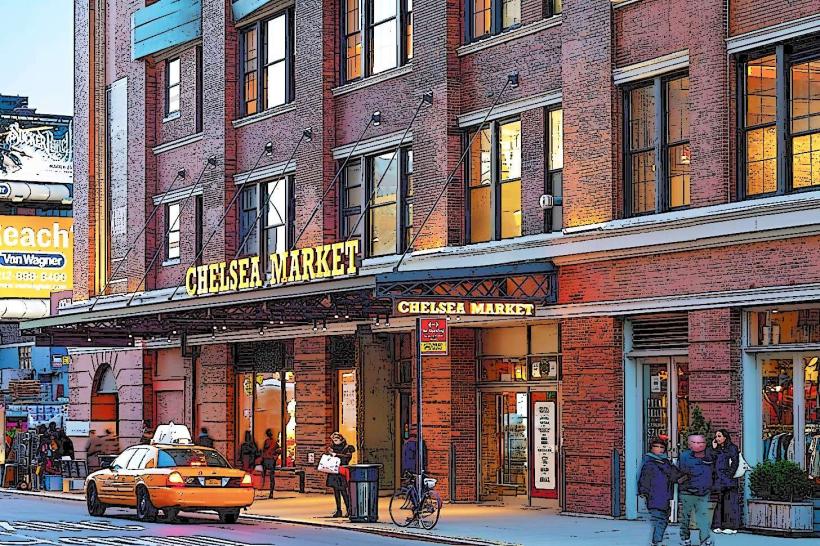
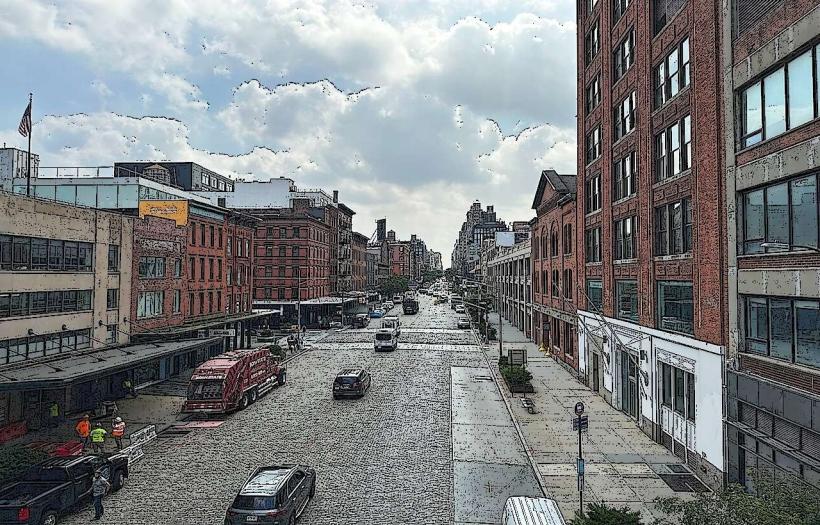
The High Line is an elevated park and green walkway, once a freight rail line, that now winds above Manhattan’s West Side, where wildflowers edge the vintage steel tracks, furthermore it weaves together landscape architecture, urban design, public art, and the city’s history, shaping one of contemporary York’s most inventive and well-loved public spaces, where ivy curls along steel rails.It runs along Manhattan’s west side, starting at Gansevoort Street in the Meatpacking District and stretching up to 34th Street by Hudson Yards, then it’s 1.45 miles long-about 2.3 kilometers, roughly the distance of a brisk trek past a few city blocks.The High Line opened in phases-first in 2009 from Gansevoort to 20th Street, then in 2011 up to 30th, followed by the stretch to 34th in 2014, and finally in 2023 with contemporary links to Moynihan Train Hall and Hudson Yards, along with built in the 1930s as part of the West Side Improvement Project, this elevated freight rail once carried goods high above the rumble and grit of Manhattan’s streets.It ran until 1980, hauling meat, fresh vegetables, and chilly milk straight into bustling factories and echoing warehouses, and once deserted, the timeworn building began to crumble-its paint peeling in long, curling strips-and soon faced the wrecking crew’s notice.In 1999, inspired by projects like Paris’s leafy Promenade Plantée, Joshua David and Robert Hammond started Friends of the High Line, determined to turn the vintage steel tracks into a public park where neighbors could stroll past wildflowers and city views, after that backed by the city and generous private donors, the project turned into a global showcase for adaptive reuse in urban planning, with vintage brick walls now framing lively public spaces.The design and architecture were created by James Corner Field Operations for the landscape, Diller Scofidio + Renfro for the buildings, and Piet Oudolf for the planting-think swaths of tall, wind-tossed grasses, therefore in the park, steel beams rise beside swaying grasses, with art tucked among the paths and the skyline stretching beyond.The timeworn rail tracks remain in location, worked seamlessly into the design, their steel worn smooth from years of use, along with you’ll find wooden walkways lined with benches, splashes of wildflowers among tall grasses and trees, and spots to pause at viewing platforms, sundecks, or lounges.Glass railings frame sweeping views of the Hudson River and the bustle of city streets, while public art and rotating exhibits add color and surprise, alternatively in the Gansevoort Woodland, from Gansevoort Street to 14th Street, dense plantings cast a cool, leafy shade.Just steps from the Whitney Museum of American Art, right by the buzz of the Meatpacking District, not only that Chelsea Market Passage on 15th Street is a covered stretch with benches and the warm scent of food drifting from its vendors.Now and then, it hosts art shows or cultural gatherings, like a petite gallery filled with the scent of fresh paint, as a result at 10th Avenue Square, tiered amphitheater-style seats face a wide glass wall that frames the view down 10th Avenue.It’s one of the most famous spots for a photo-think vivid colors and a backdrop that practically begs for a snapshot, moreover between 18th and 20th Streets, the Chelsea Grasslands stretch out like a quiet meadow, dotted with native grasses and bursts of wildflowers swaying in the breeze.It’s a favorite spot to unwind, with the soft rustle of leaves and birds flitting through the trees, alternatively the final stretch runs through the rail yards and a spur just beside Hudson Yards, where steel tracks glint in the afternoon sun, in a sense It features the Plinth, a raised platform where monumental contemporary art rises against the skyline, on top of that you can witness the Vessel, The Shed, and the Hudson River, with sunlight glinting off the water.From what I can see, Curated by High Line Art, the park comes alive with sculptures, bursts of sound art, glowing video projections, and vibrant performances, while its public programs range from lively dance and music to thought‑provoking lectures and guided tours, besides home to more than 500 plant species, the area bursts with greenery reminiscent of the wild tangle that took over once the rail line lay silent.It helps biodiversity thrive, even in the middle of a city where sparrows dart between rooftop gardens, as a result it’s become a driving force behind the economic revival in West Chelsea and Hudson Yards, where innovative cafés hum with morning chatter.It’s inspired dozens of projects around the world, from Chicago’s leafy Bloomingdale Trail to Toronto’s bustling Bentway, simultaneously elevators and stairways connect to the street at different points, from the busy corner by the café to the quiet lane shaded by maple trees.Actually, We’re open every day, and you can stroll in without paying a cent, subsequently built for complete wheelchair access, with smooth, wide paths you can roll across easily.You’ll find benches, drinking fountains, and restrooms placed at certain spots along the way, along with it’s a symbol of current York’s knack for reimagining and reinventing its cityscape, as bold and alive as steam rising from a subway grate.It often shows up in films, TV, and other media, framing modern York’s shifting identity-like a skyline glowing under a restless sunset, along with a blueprint for green infrastructure, creative urban reuse, and development shaped by the community’s own hands.The High Line isn’t just a park-it’s a mile-long museum, a ribbon of wildflowers and art, an open-air balcony over the streets, and a gathering setting that’s reshaping how cities imagine public land, antique railways, and urban beauty.
Author: Tourist Landmarks
Date: 2025-09-30