Information
Landmark: Hobart Convict PenitentiaryCity: Hobart
Country: Australia
Continent: Australia
Hobart Convict Penitentiary, Hobart, Australia, Australia
Overview
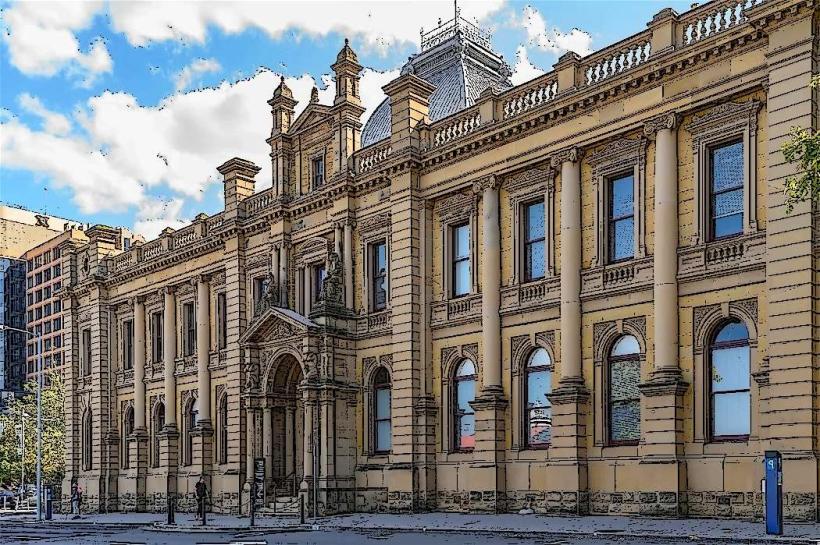
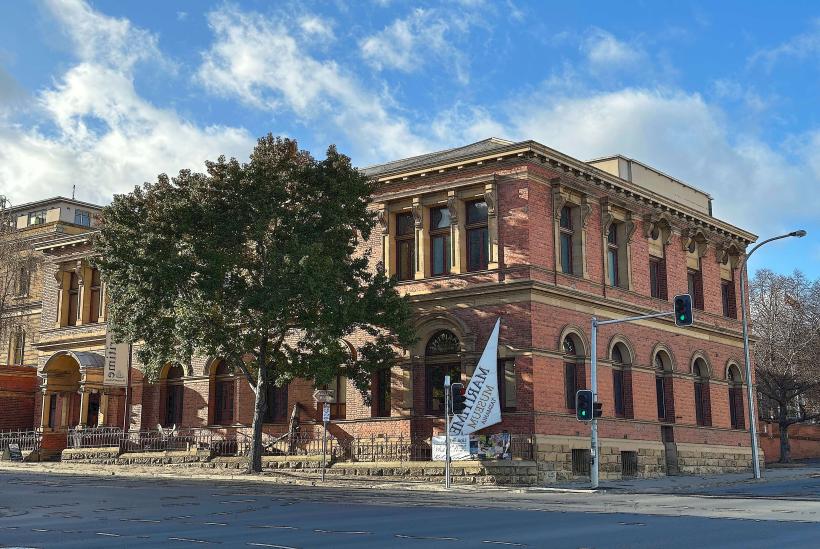
The Hobart Convict Penitentiary, often called the timeworn Hobart Gaol, stands in the heart of Hobart, Tasmania, its weathered sandstone walls holding more than a century of history, meanwhile once a grim prison, this destination shaped the island’s convict story-a story at the heart of Tasmania’s early colonial years.The penitentiary’s story is woven into the larger history of Britain shipping convicts to Australia, offering a vivid glimpse of cramped cells, punishing labor, and the unforgiving realities of life and law in the early colony, as a result one.Honestly, In the early 1800s, when Tasmania was still called Van Diemen’s Land, ships from Britain began arriving with hundreds of convicts bound for its rugged shores, therefore from 1803 to 1853, about 75,000 convicts were shipped to the Australian colonies, many stepping ashore on the crisp, windswept docks of Tasmania.safeThe Need for a Penitentiary: By the 1820s, Hobart’s convict population had swelled, and officials pushed for a proper prison to lock away and discipline offenders behind solid stone walls.Not surprisingly, The Hobart Convict Penitentiary opened its doors to handle the swelling number of prisoners, their boots echoing on the crisp stone floors, equally important the original gaol went up in 1820 and held prisoners for more than six decades, a venue of stone walls, hard labor, and harsh punishment.Number two, equally important the Hobart Convict Penitentiary took shape in stages, with the first rough stone walls of the gaol finished in 1820.The building was built to hold convicts-men waiting for trial, facing punishment, or bound for transport in chains, consequently the prison stood on the outskirts of Hobart Town, near the Derwent River, in a spot once alive with the clink of convict tools shaping fresh roads.It seems, Over the years, the facility grew, adding modern cell blocks as the number of inmates swelled, in turn the penitentiary was built to hold men doing decades behind bars as well as those serving just a few weeks, their cells lined up in the same freezing, echoing hall.They built high walls and sealed off solitary cells, giving the setting a fortress gaze-nippy stone and iron bars that showed just how harsh the penal system was back then, in addition the penitentiary’s walls are built from solid stone, the same rough, gray material often seen in vintage colonial buildings.Most of the stones for the penitentiary came from a nearby quarry, their rough gray faces still dusted with the scent of fresh-cut rock, after that the prison was built to keep people in, with towering walls and only a few narrow gates leading out.It came to stand for the British government’s harsh penal policies in the colonies, as stark as iron bars in the midday sun, consequently number three.Life for convicts at the Hobart Penitentiary was brutally hard, with chilly stone walls that trapped the damp and echoed every clanging door.safeEven the smallest slip could bring harsh punishment - a whipping that left raw welts or days alone in a freezing, bare cell, to boot the penitentiary was built to shut prisoners off from the outside world, offering only rare chances to speak to others or detect beyond its high, icy walls, moderately Just so you know, Labor and Work: In the penitentiary, convicts tackled all kinds of jobs-hauling stone from the quarry, laying down dusty roadbeds, hammering frames for modern buildings, and keeping the prison’s own walls in shape, while labor served as both punishment and a way to reform, forcing convicts to repay their crimes through long hours of blistered-hands work.At the Hobart Convict Penitentiary, one of its darkest hallmarks was locking prisoners alone in bare, silent cells.safeThe isolation was meant to punish, yet it slowly wore the prisoners down, leaving them staring at chilly, bare walls until their spirits cracked, as well as number four.The Hobart Convict Penitentiary, one of several prisons in Tasmania, stood at the heart of the island’s days as a penal colony, its stone walls shaping both daily life and the course of history, along with how convicts were treated-and the brutal conditions they suffered, like damp stone cells-shaped the very foundations of early Tasmanian society, sort of As it happens, Convicts built much of the island’s backbone-roads dusty in summer, bridges stretching over creeks, and sturdy public buildings-and their work left its mark on the young colony, therefore convict Legacy: Traces of the convict era still run deep in Tasmania’s cultural identity, like the worn sandstone walls lining its historic port streets.It appears, Across Hobart, sites like the ancient penitentiary stand as powerful reminders of convict life, their weathered stone walls still whispering the harsh truths of that era, meanwhile tasmania keeps its convict past alive through museums filled with rusted shackles, weathered heritage buildings, and quiet memorials honoring those once sent across the sea to its shores.It appears, Five, in turn by the 1850s, when ships stopped bringing transported convicts to Tasmania, the Hobart Convict Penitentiary stood quieter, its purpose fading.The facility slowly emptied, with inmates released or moved to other prisons, while the government turned its attention to innovative forms of punishment and rehabilitation, simultaneously the Hobart Convict Penitentiary shut its doors as a prison in the early 1900s, leaving its stone corridors eerily quiet.It seems, As convicts lost their locale in Tasmania’s economy and daily life, the building was abandoned and left to crumble, its windows clouded with dust, not only that preservation and restoration have kept the site alive for years, from repairing cracked stone steps to brushing centuries of dust from its walls.Eventually, the site opened its doors as a museum, where visitors can trace the penal system’s past and imagine the clink of chains worn by the convicts once held inside, in conjunction with six.Today, the former Hobart Convict Penitentiary opens its heavy wooden doors as a museum, welcoming visitors to explore its history, alternatively the exhibits bring the prison’s history to life, showing how inmates once spent their days-scrubbing floors, mending clothes, and staring through crisp iron bars.Not surprisingly, Visitors wander through cramped cells, step into the open-air yards, and hike the stark administrative halls, catching a glimpse of the icy, harsh life prisoners once knew, besides the museum features interactive displays where you can trace the history of convict transportation, follow the changes in Tasmania’s penal system, and step into the gritty day-to-day lives of real convicts, loosely You’ll also find exhibits on the broader history of colonial Tasmania, the daily duties of prison wardens, and how punishment slowly gave way to reform, furthermore guided Tours: Join a guide and stroll the echoing halls as seasoned historians share the penitentiary’s past and recount vivid tales of the men who once lived behind its iron doors.The tours let you step inside the penitentiary’s harsh reality, revealing how the penal system shaped life on the island, as well as ghost Tours: With its shadowy, grim history, the Hobart Convict Penitentiary draws visitors to ghost tours that let you wander dim corridors and hear the echo of footsteps long gone.These tours bring local ghost stories and legends to life, from whispers in creaking hallways to shadows that seem to move on their own.
Author: Tourist Landmarks
Date: 2025-09-19