Information
Landmark: Ifrane National ParkCity: Ifrane
Country: Morocco
Continent: Africa
Ifrane National Park, Ifrane, Morocco, Africa
Overview
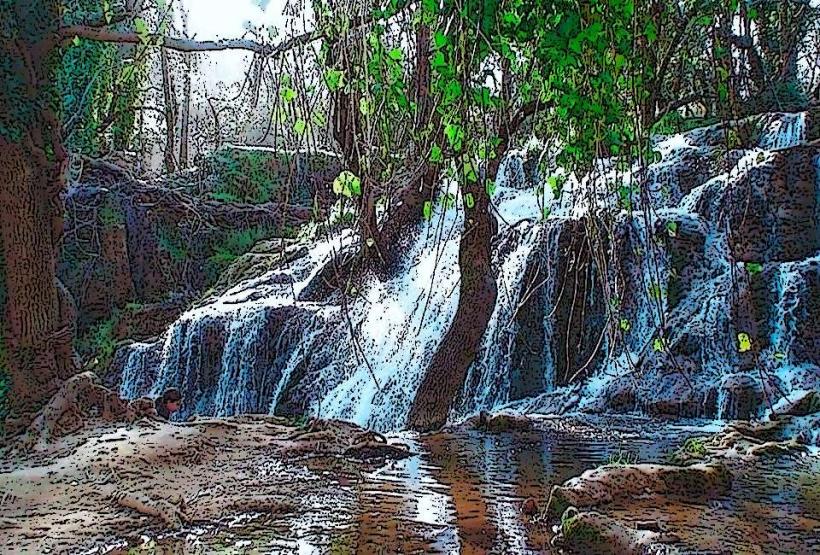
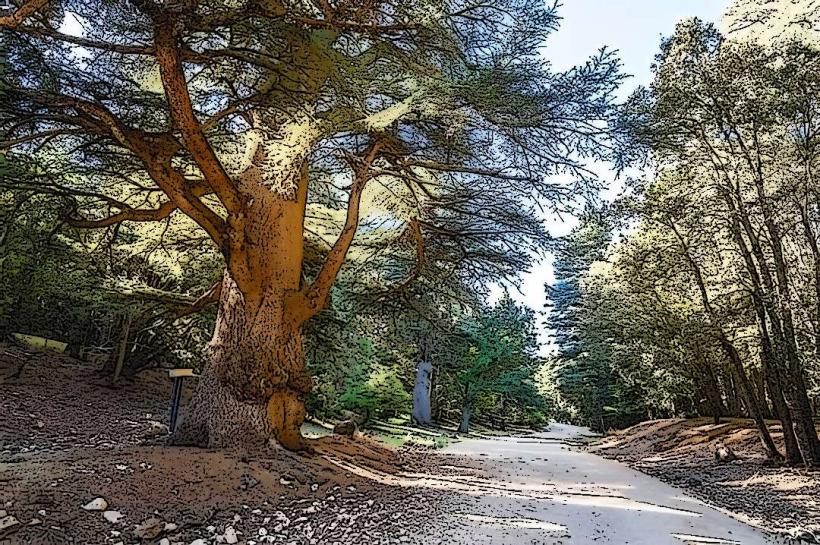
Tucked into the Middle Atlas Mountains, Ifrane National Park ranks among Morocco’s most stunning and varied landscapes, where cedar forests sway in the cool breeze, besides covering more than 500 square kilometers, it stretches across the provinces of Ifrane and Boulmane in the heart of central Morocco.People acknowledge the park for its striking hills, teeming wildlife, and its vital role in protecting the environment, besides let’s take a closer peek at Ifrane National Park-imagine tall cedar trees swaying in the cool mountain breeze.Ifrane National Park sits high in the Middle Atlas Mountains, where crisp, temperate air drifts over rocky slopes and pine-covered ridges, meanwhile the park stretches from shadowy pine forests to windswept meadows high in the hills, ending in jagged shelves of rock.You’ll get sweeping views of rugged mountains and deep valleys, with a landscape that shifts from pine forests to wildflower meadows, at the same time climate: Winters in the park turn bitterly frosty, with crisp snow blanketing the higher ridges, while summers stay gentle and mild.Because it sits high in the mountains, the park stays cooler than most of Morocco, with crisp air and pine-scented trails that lend it a distinctly European vibe, after that cooler air and the sparkle of countless lakes and rivers make it a perfect spot for hiking, paddling, or fishing any time of year, for the most part Flora: Ifrane National Park shelters a rich mix of plants, from wildflowers tucked along shady trails to towering cedar forests-especially the Atlas Cedar, one of the region’s most iconic trees, moreover you’ll find oak, pine, and juniper trees scattered through the park’s shady forest trails.The park’s plants shelter countless creatures-a squirrel rustling through leaves, a bird nesting high above-and play a vital part in keeping its ecosystem healthy, therefore two.Biodiversity and Wildlife Fauna: The park teems with life, sheltering countless animals-among them rare and endangered species, like the soft rustle of a deer moving through tall grass, subsequently among the park’s key species is the Barbary macaque-an endangered monkey that still roams these quiet forest paths, one of its last guarded havens.Native to the dry plains of North Africa, this species now teeters on the edge of survival, threatened by shrinking habitat and relentless hunting, to boot wild boar roam the park’s shaded forests, rooting through the undergrowth and thriving in its dense, quiet terrain.Ifrane National Park teems with birdlife, from the sweeping wings of the griffon vulture to the sharp-eyed golden eagle, along with a chorus of songbirds and swift, darting raptors, at the same time compact mammals roam the park-foxes slipping through the grass, jackals trotting in the dusk, wildcats watching from the shadows-along with plenty of nimble rodents.Ifrane National Park was created to safeguard wildlife and preserve the Middle Atlas, where cedar forests shelter rare species, also they’re working to protect the park’s rich biodiversity, especially by preserving the Atlas Cedar forests, where the scent of resin drifts through habitat vital to countless local species.Number three, what’s more among the park’s highlights are its Atlas cedar forests, towering and fragrant, a scene that stops you in your tracks.These forests play a vital role in protecting the Barbary macaque and countless other creatures, from rustling songbirds to shy forest deer, besides you can hike through these forests, feeling the cool shade on your skin and hearing nothing but the gentle rustle of leaves.As you can see, Scattered across the park, a handful of compact lakes and winding rivers glint in the sunlight, each adding its own touch to the region’s rich ecological mix, consequently Dayet Aoua Lake, shimmering in the northern stretch of the park, is one of its best-known landmarks.Birdwatchers flock to this lake, especially when migration peaks and wings beat across the water’s surface, after that the park’s winding trails make it a perfect spot for hiking, catching sight of dazzling-feathered birds, or snapping photos of sunlit leaves, to some extent Visitors can follow winding trails through the park’s varied landscapes, from cool, shaded forests to glassy lakes and windswept mountain heights, moreover hiking rewards you with sweeping views of the land, from rolling hills to the gleaming white caps of the Middle Atlas peaks.If you love wildlife, Ifrane National Park lets you watch Barbary macaques swinging through the cedars, along with plenty of other animals in their own wild home, on top of that if they take their time and follow a guide, visitors can get close enough to notice these animals’ whiskers twitch, all while staying within the park’s wildlife-viewing rules.Number four, besides ifrane National Park helps safeguard the rich biodiversity of North Africa, from cedar forests whispering in the wind to rare wildlife hidden among the hills.The park’s rich mix of plants and animals shelters creatures found nowhere else-like the luminous green tree frogs tucked in its reeds-making it a vital area to protect, not only that it’s also a vital patch of green that helps keep the region’s ecosystems in balance, from the rustle of leaves to the hum of bees.Water Resources: The park’s lakes, winding rivers, and quiet reed-filled wetlands play a vital role in keeping the Middle Atlas’s water clean and healthy, equally important they supply fresh, life-sustaining water to wildlife and nearby communities, helping keep the land green and the ecosystem thriving.Five, moreover tourism and Accessibility: The park sits just a short drive from Ifrane, a town with crisp, cool air and tidy streets that feel straight out of Switzerland.It takes about an hour and a half to drive from Fez to Ifrane, a spot travelers flock to for quick day trips or to linger over a weekend in its crisp mountain air, besides clear signs mark the park’s entrance, and visitors can step in through several paths that lead to its winding trails and quiet picnic spots.The ideal time to explore Ifrane National Park is spring or summer, when the air feels warm, the breezes are gentle, and the trails invite long, easy walks, also summer’s cooler air makes it the perfect location to get away from the sweltering heat that blankets much of Morocco, under certain circumstances Winter draws plenty of visitors chasing snow adventures, especially when the park’s higher peaks get dusted with fresh powder, and number six.The park draws visitors from far away, but for nearby communities, it’s part of daily life-where children play under the shade of vintage oak trees and neighbors gather on warm evenings, in turn folks from nearby villages depend on the park’s resources-clear spring water among them-and many work in eco-tourism, guiding visitors through forest trails, helping run the park, or welcoming guests in compact lodges.Tucked in the heart of Morocco’s Middle Atlas, the park sits among villages where Berber traditions run deep and centuries-classical stories still echo in the mountain air, likewise at the park, visitors can step into the culture of nearby villages, where life still follows age-antique rhythms shaped by the land-like farmers drying maize in the sun.Not surprisingly, Seven, meanwhile the park may be a haven for wildlife, but it still faces tough challenges-especially when wild boars and other animals wander into nearby farms, rooting through crops or clashing with people.We’re working to ease these conflicts with community awareness programs and sustainable practices, like teaching neighbors to share water during dry weeks, likewise like countless protected places around the world, Ifrane National Park is feeling the heat of climate change.Warmer days and shifting rain patterns could reshape the park’s delicate balance, from the damp moss on shaded rocks to the streams that feed its wildlife.
Author: Tourist Landmarks
Date: 2025-09-26