Information
Landmark: Iglesia de El SalvadorCity: San Salvador
Country: El Salvador
Continent: North America
Iglesia de El Salvador, San Salvador, El Salvador, North America
Overview
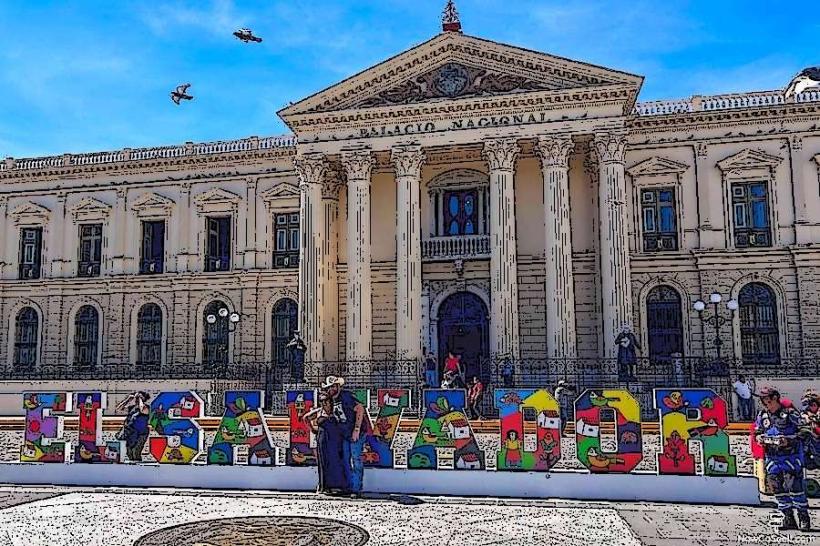
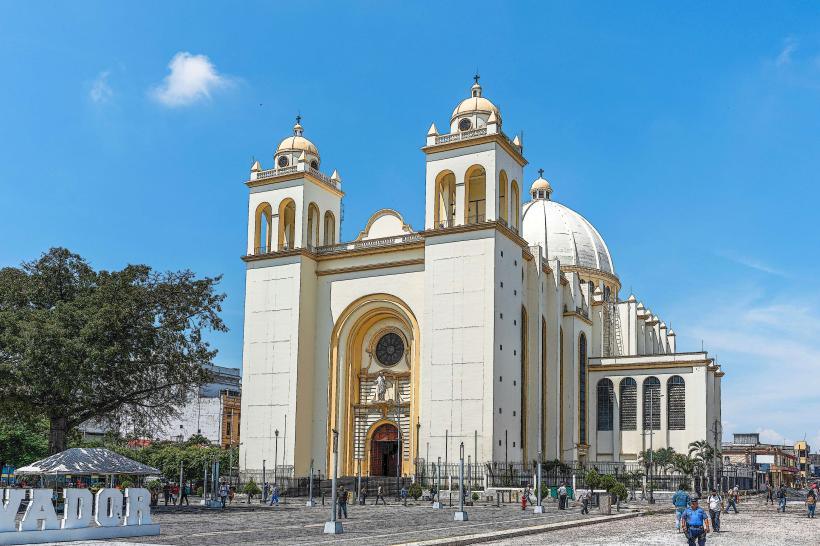
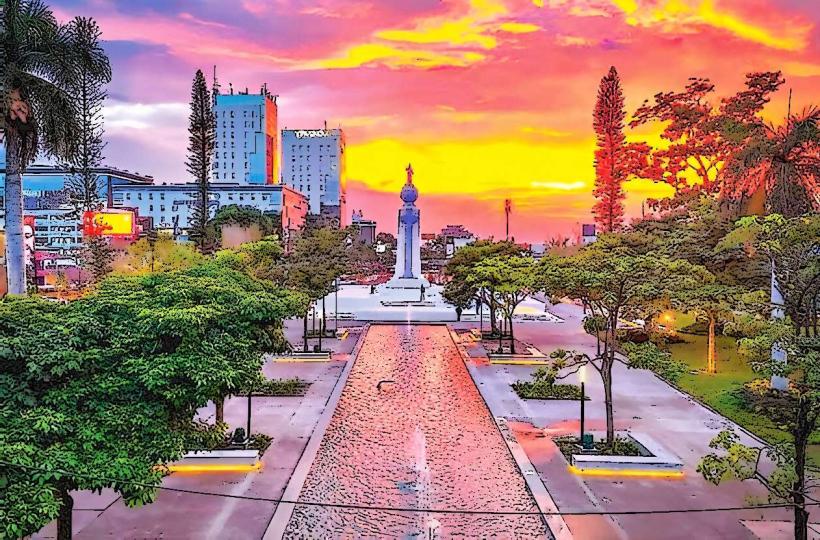
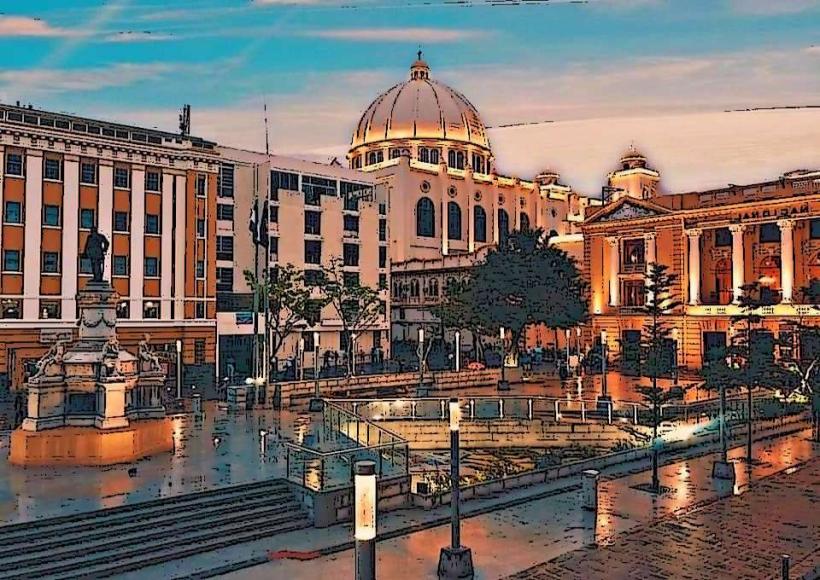
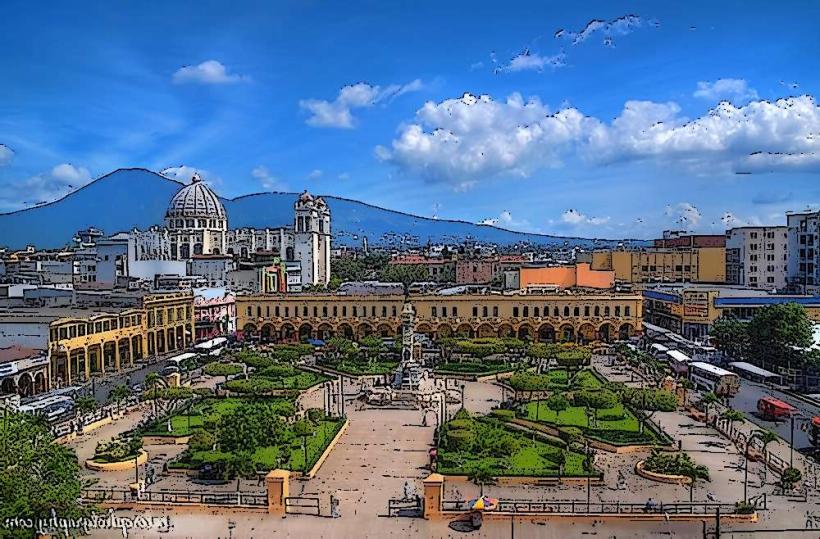
Iglesia de El Salvador, a centuries-heritage church in the heart of San Salvador, stands as one of the city’s most pivotal historical and architectural treasures, furthermore this church ranks among the country’s oldest and most celebrated landmarks, its weathered stone walls echoing centuries of Salvadoran history, culture, and faith.Highlights of Iglesia de El Salvador, like its sunlit stone facade, stand out immediately, alternatively the Iglesia de El Salvador dates back to the 16th century, rising during the colonial era when its stone walls first caught the morning sun.Actually, One of the capital’s oldest churches, it stands as a proud symbol of Salvadoran history and Catholic heritage, its weathered stone steps warm under the afternoon sun, along with the church stood at the heart of San Salvador’s religious and social life, once forming part of a larger complex where bells echoed across the courtyard.It’s still at the heart of local Catholic traditions, taking on special importance during the city’s religious celebrations, when bells ring and candles flicker in the evening air, not only that step two’s where you roll up your sleeves and get it done.The church showcases colonial-era design, mixing the bold curves of Spanish Baroque with the clean, straight lines of Neoclassical style, likewise the facade features graceful arches, weathered statues, and intricate carvings, each echoing the era’s distinct artistic style.Inside, the church opens into a broad nave where a polished wooden altar stands among vivid religious paintings and intricate carvings that recall the artistry of the colonial era, consequently sunlight pours through the high arches, the vaulted ceilings lifting the room into a grand, quiet calm.Not surprisingly, Number three sits there, slight and steady, like a chalk mark on a schoolroom board, also the Iglesia de El Salvador still hums with life, hosting masses, baptisms, and other Catholic rites beneath its cool stone arches, and remains a heart of worship for the community.It’s also a key gathering spot, hosting everything from lively community fairs to candlelit religious festivals, moreover the church is well known for marking El Salvador’s patron saint, El Salvador del Mundo, most vividly each August, when the Feast of the Divine Savior fills the streets with dazzling parades, solemn processions, and the sound of church bells calling people to mass.Number four appeared in bold, like it had been stamped onto the page with fresh black ink, also inside the church, vivid paintings, graceful sculptures, and finely carved wooden figures tell the stories of Christ’s life and the saints, their colors still rich in the soft glow of candlelight.These artworks deepen the church’s sense of quiet reverence, their colors glowing in the candlelight, and they remain a vital part of the country’s religious identity, alternatively the altar, framed by ornate carvings and gold leaf, shows saints and vivid biblical scenes, with the Divine Savior taking center stage-fitting for a church that bears His name.Just so you know, Number five sat there, neat and sharp, like it had just been written in fresh black ink, after that iglesia de El Salvador sits right in the heart of San Salvador, so it’s an easy stop when you’re wandering past the city’s heritage stone plazas and historic landmarks.The church sits close to several major landmarks, including the National Palace, Plaza Libertad, and the grand stone façade of the Metropolitan Cathedral, meanwhile the church stands above a minute square where neighbors gather under the open sky, and from there you can take in the graceful lines of its stone facade.Just a short amble from Iglesia de El Salvador, the Metropolitan Cathedral of San Salvador rises in white stone and colorful stained glass, serving as one of the city’s most significant religious and architectural landmarks, after that plaza Libertad sits in the heart of San Salvador, a historic square where you can wander past elegant heritage buildings, pause by the splash of a fountain, and study statues honoring pivotal moments in the nation’s past.Oddly enough, National Palace: Standing just a short roam from Iglesia de El Salvador, the National Palace rises in pale stone and ornate arches, housing the government and holding centuries of the nation’s history, in conjunction with if you’re heading to Iglesia de El Salvador, you’ll find it right in San Salvador’s historic center, just a short amble from the lively Plaza Libertad where street vendors fill the air with the smell of fresh pupusas.You can reach it quickly from many parts of the city, whether you’re on foot or driving past the rows of shopfronts, furthermore the church welcomes visitors all year, but crowds swell during religious holidays-especially in August, when bells ring for the Feast of El Salvador del Mundo.Believe it or not, If you want to take part in the church’s religious and cultural celebrations-like hearing the bells ring on feast days-make sure you time your visit to match the events, while in the end, Iglesia de El Salvador isn’t just a area to pray-it’s woven into San Salvador’s cultural and historical soul, as much a landmark as the sound of church bells drifting through its streets.The church, with its whitewashed colonial arches, deep religious roots, and location in local celebrations, gives visitors a window into the spiritual life of the Salvadoran people and the heart of the nation’s Catholic heritage, in addition whether you’re drawn to its history, its graceful arches, or the solemn hush of its religious traditions, visiting Iglesia de El Salvador offers a rich, memorable encounter in the bustling heart of the capital., slightly
Author: Tourist Landmarks
Date: 2025-09-14