Information
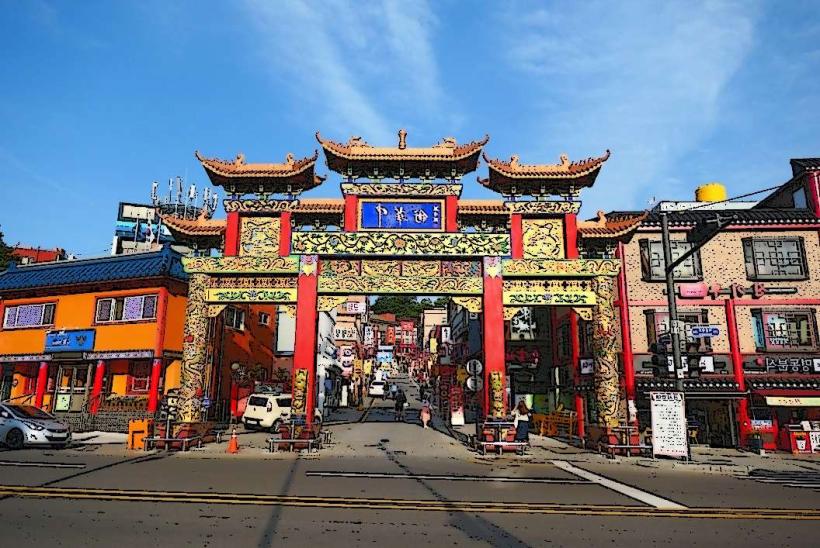
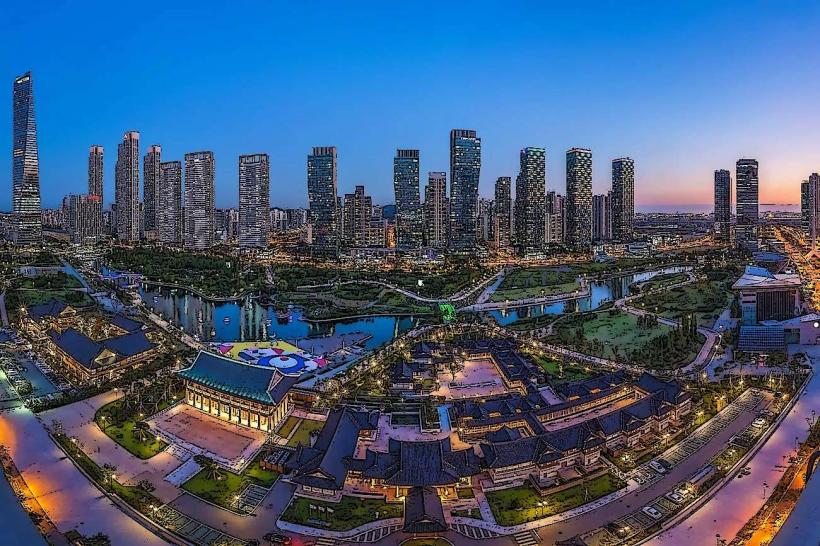
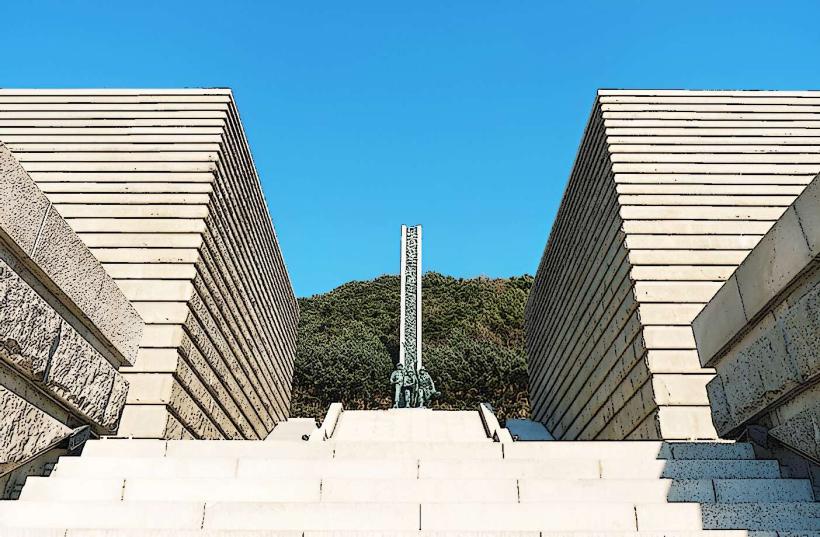
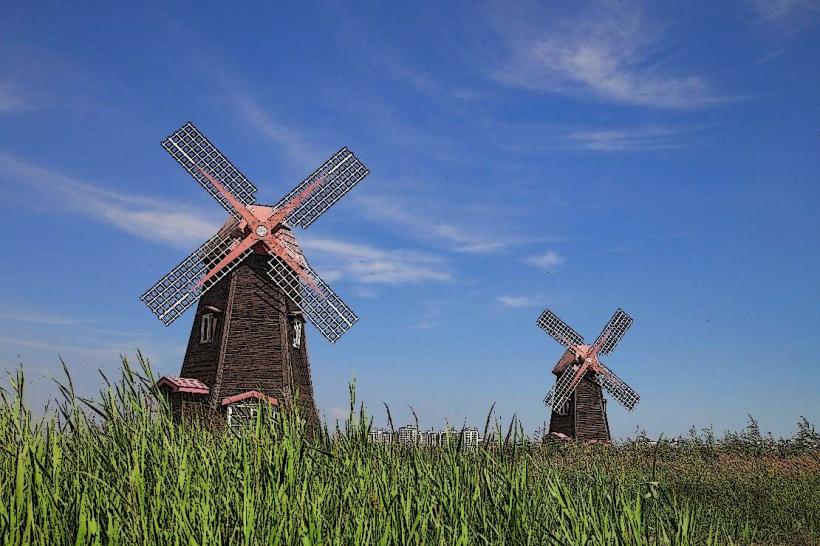
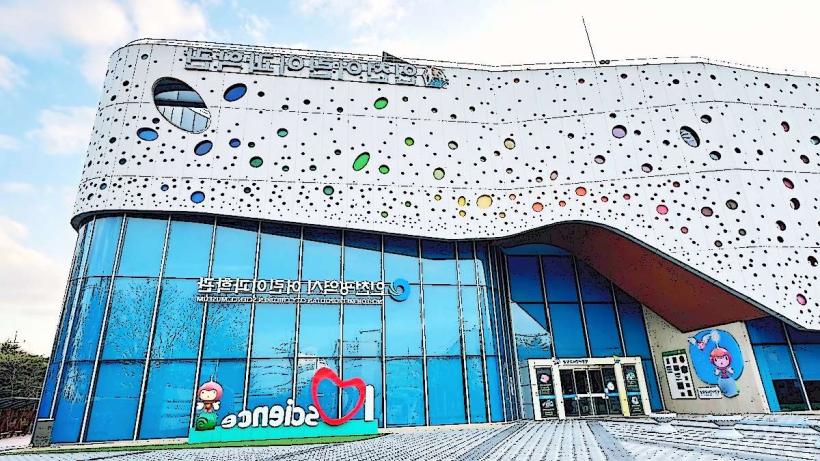
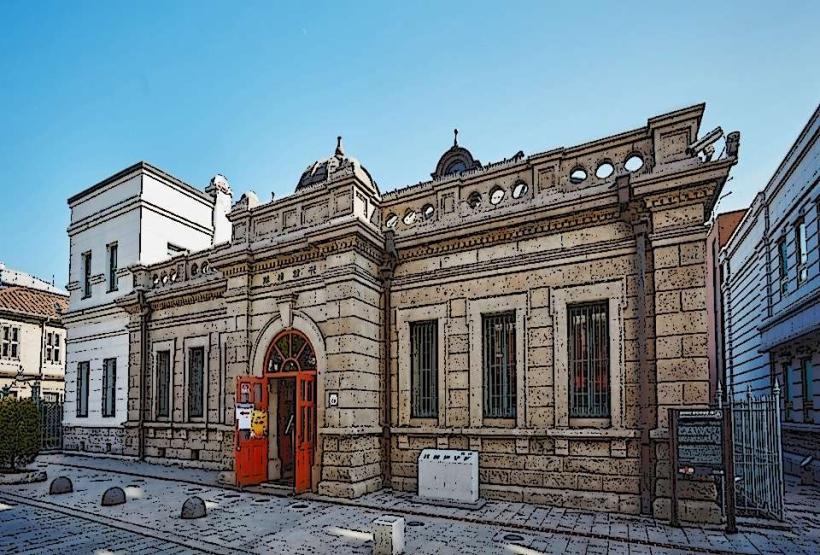
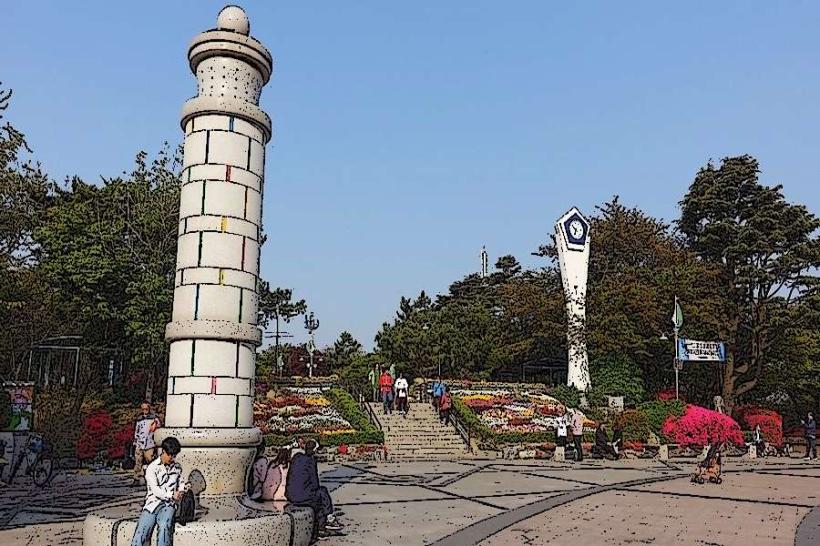
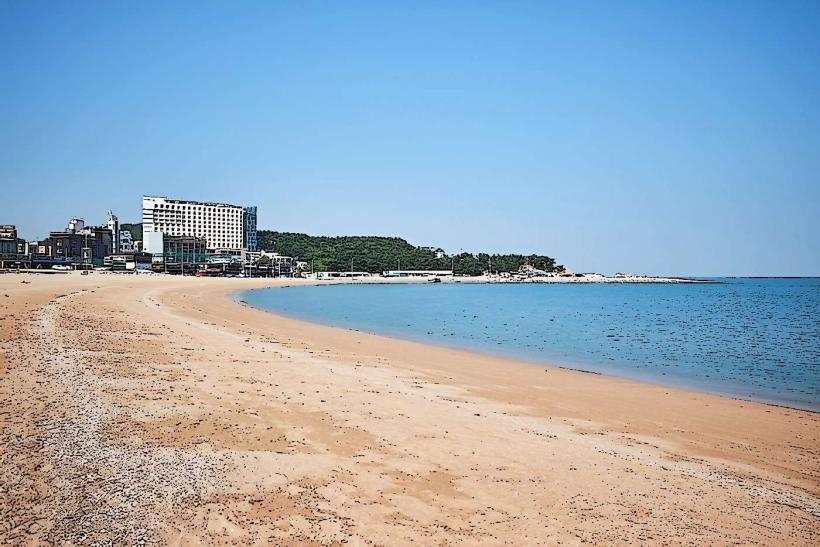
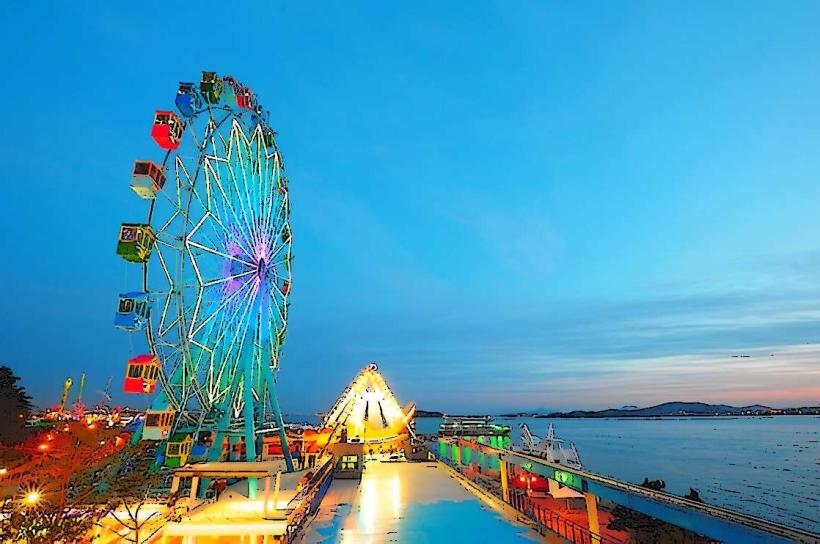
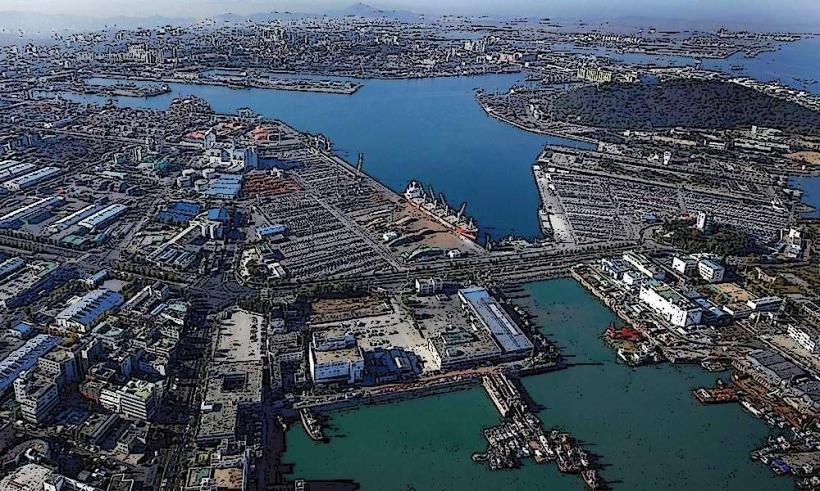
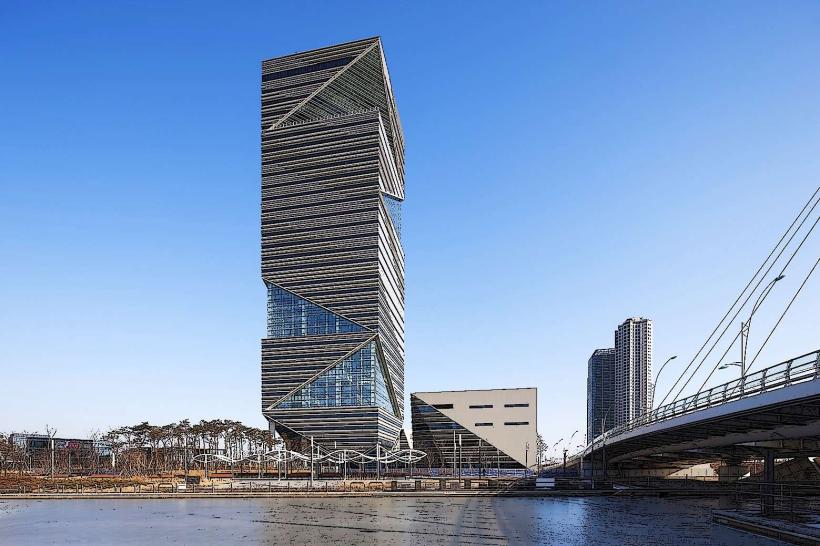
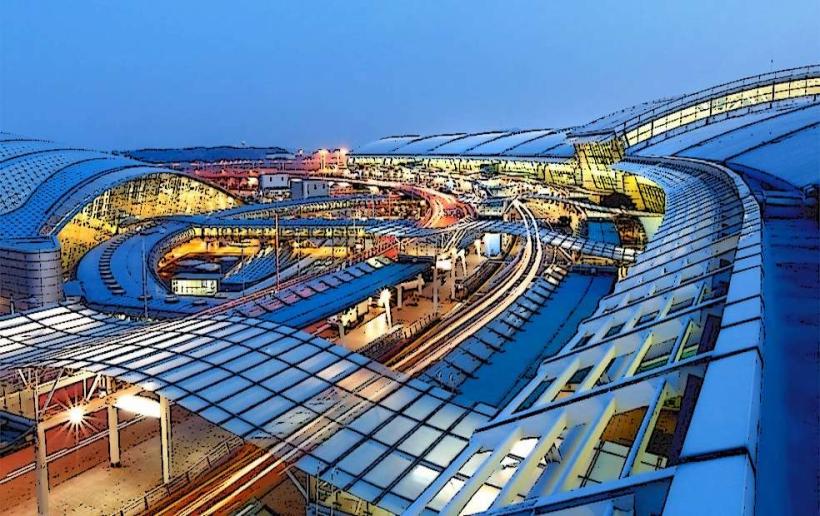
Landmark: Incheon Free Economic ZoneCity: Incheon
Country: South Korea
Continent: Asia
Incheon Free Economic Zone, Incheon, South Korea, Asia
The Wulong Karst is a geological formation located in the Wulong District of Chongqing, China. It is characterized by its extensive limestone formations and natural bridges.
Visual Characteristics
The Wulong Karst features towering limestone pillars, steep cliffs, and deep ravines. The formations are primarily composed of grey and white karst rock. Natural bridges, such as the Tianlong Bridge, span significant distances. Vegetation is dense, with a variety of trees and shrubs covering the slopes and plateaus. Rivers and streams carve through the landscape, often with clear, flowing water.
Location & Access Logistics
The Wulong Karst is situated approximately 200 kilometers southeast of Chongqing city center. Access is primarily via the G65 Baotou–Maoming Expressway. From the Wulong District town center, follow signs for the Wulong Karst National Geology Park. Parking is available at designated visitor centers. Public transport options include long-distance buses from Chongqing's Nan'an Bus Station to Wulong Bus Station, followed by local shuttle buses to the park entrances.
Historical & Ecological Origin
The Wulong Karst formations are the result of millions of years of erosion and dissolution of soluble limestone rock by water. This process has created a classic karst landscape, including sinkholes, caves, and underground rivers. The area is classified as a UNESCO World Heritage site due to its outstanding universal value as a representative example of humid tropical and subtropical karst geomorphology.
Key Highlights & Activities
Activities include walking tours through the Three Natural Bridges (Tianlong, Qinglong, and Heilong). Boat tours are available on the Yangtze River tributaries that flow through the gorges. Hiking trails offer elevated viewpoints of the karst formations. Photography opportunities are abundant, particularly at sunrise and sunset.
Infrastructure & Amenities
Restrooms are available at the main visitor centers and along designated tour routes. Shade is provided by natural tree cover in many areas. Cell phone signal (4G) is generally available within the park, though it may be intermittent in deeper gorges. Food vendors and small restaurants are located near the primary visitor entrances.
Best Time to Visit
The best time of day for photography is generally during the early morning or late afternoon when the sunlight creates distinct shadows and highlights on the rock formations. The most favorable months for visiting are April to May and September to October, offering mild temperatures and lower rainfall. High tide is not a significant factor for accessing the main karst viewing areas.
Facts & Legends
Local folklore suggests that the natural bridges were formed by ancient dragons carving paths through the mountains. A specific tip for visitors is to wear sturdy footwear, as many paths involve uneven terrain and stairs.
Nearby Landmarks
- Fairy Maiden Mountain (Xianü Shan): 15km Northwest
- Longshui Lake: 30km Southwest
- Chongqing Yangtze River Cableway: 200km Northwest
- Hongya Cave: 205km Northwest
- Ci Qi Kou Old Town: 210km Northwest