Information
Landmark: Isalo MuseumCity: Isalo
Country: Madagascar
Continent: Africa
Isalo Museum, Isalo, Madagascar, Africa
Overview
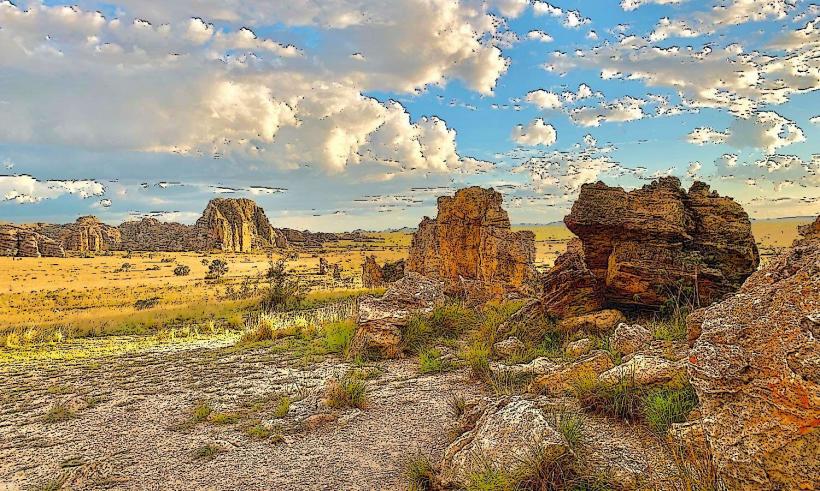
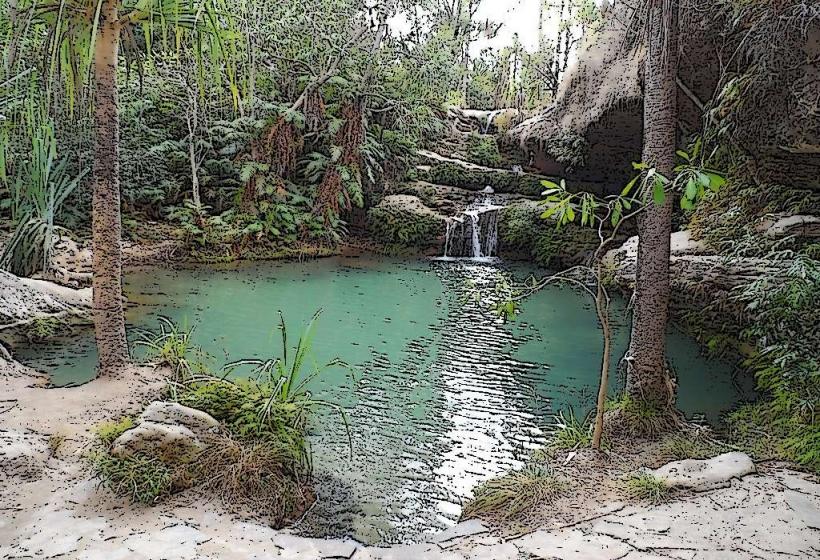
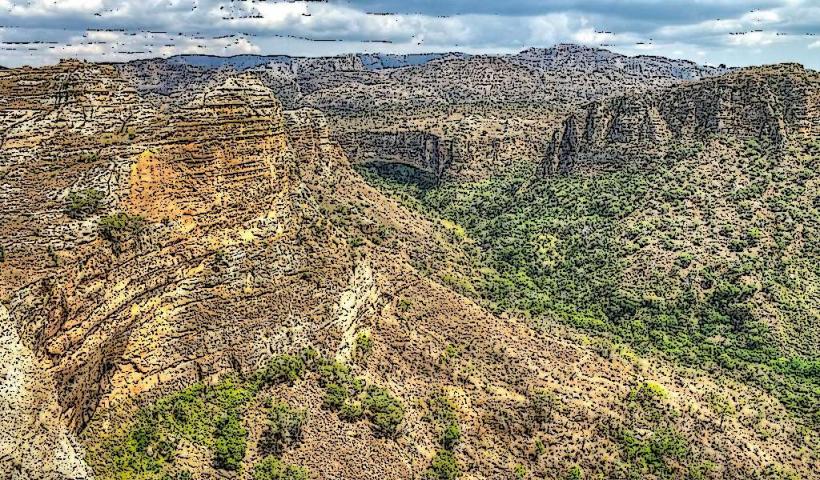
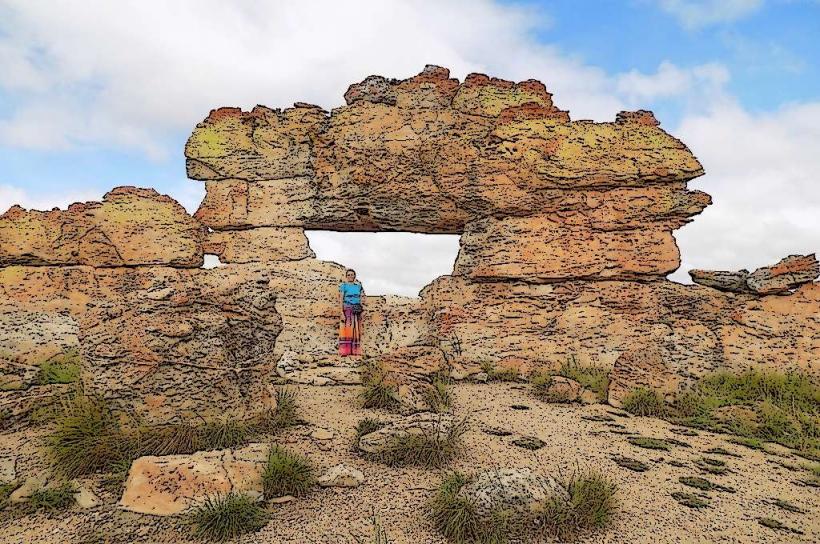
If I’m being honest, Just outside the gates of Isalo-national-park_isalo" class="underline">Isalo National Park in Madagascar, the Isalo Museum sits quietly, miniature in size but rich with meaning, after that visitors can dive into the park’s natural history, discover the traditions of the Bara people, and explore the region’s rich biodiversity-like the shining flash of a sunbird in the trees.Start your Isalo National Park adventure at the museum, where you can trace the swirl of ancient sandstone, glimpse rare wildlife, and hear stories that reveal the land’s deep geological, ecological, and cultural roots, not only that the Isalo Museum sits in the heart of Ranohira, a slight village that serves as the gateway to Isalo National Park, where red sandstone cliffs glow in the late afternoon sun.Ranohira sits just outside the park, so the museum makes an easy stop for travelers before they set off to explore, in addition it’s right off the main road to Isalo National Park, drawing visitors curious about the region’s rugged sandstone cliffs, unique plants, and wildlife.Honestly, Inside, the exhibits spotlight the area’s geology, flora, and fauna, and visitors can explore exhibits on the park’s towering sandstone cliffs-carved by wind and rain over millions of years-and discover its remarkable ecosystems, from leaping lemurs and jewel-toned chameleons to vivid flashes of birdlife among hardy desert plants.Some exhibits showcase preserved specimens, vivid photographs, and facts about the park’s wildlife, from tiny tree frogs to soaring hawks, on top of that in its cultural section, the museum also shines a light on the Bara people, the indigenous community who call this region home.I think, The Bara people share a deep bond with the land, and their traditions-like cattle herding and honoring their ancestors-are woven into the exhibits, sometimes shown through worn leather bridles or carved wooden totems, in addition in another section, glass cases hold archaeological finds from the region, offering glimpses into centuries of life and the land’s shifting use.The Isalo Museum invites visitors, both local and from far away, to leave knowing more about the park’s wild beauty, layered history, and enduring cultural roots, after that the museum sets the stage for Isalo National Park’s beauty, tracing the story of its wind-carved sandstone cliffs, rare plants, and the generations of people tied to them.Local guides often suggest stopping there first, since its exhibits add depth to every hike and lemur sighting, subsequently through displays on the Bara culture, you catch a vivid glimpse of daily life-like the intricate beadwork worn during village celebrations.The Bara are best known for raising cattle, their herds moving across the dry grasslands, and their spiritual beliefs stay deeply rooted in the land and the rhythms of nature, in addition the museum shares stories of Bara funeral rites, ancestral worship, and how cattle shape their way of life.Just so you know, You can also explore the region’s sacred sites, from the still waters of the Sacred Pools to shadowy caves where ceremonies are held, equally important though it’s modest, the Isalo Museum is tidy and well cared for.Clear signs guide visitors easily, from the front gate to the shaded picnic area, to boot the museum feels calm and unhurried, so you can wander at your own pace and take in the details-a faded map here, a carved figurine there.It’s open to everyone for a slight fee, and local guides are often on hand to share more about the exhibits, as a result they can give visitors a more personal touch, sharing vivid stories about the region’s culture and the rugged sandstone cliffs that shape its landscape.Somehow, Since the Isalo Museum is a quick stop before heading into Isalo National Park, it’s best to drop by in the morning or early afternoon, then set out for a hike or trek, therefore the museum stays open all year, but the dry season-April to October-offers cooler weather that’s perfect for exploring.You’ll also find handy tips here on hiking routes and other spots worth seeing inside the park, equally important it’s a great spot to pick up maps or get tips on must-perceive places in the park-like the sunlit Windows of Isalo, the cool blue Piscine Naturelle, and the dramatic Canyon of Isalo-and the museum itself offers visitors a rich inspect at the region’s natural history and cultural heritage.Whether you’re drawn to the rugged sandstone cliffs of the Isalo Massif, the park’s elusive ring-tailed lemurs, or the traditions of the Bara people, the museum’s exhibits bring each story to life and deepen your journey through Isalo National Park, not only that it offers a perfect first glimpse of the park’s waterfalls and rich history, making it a must‑witness stop for anyone exploring the area.
Author: Tourist Landmarks
Date: 2025-09-08