Information
Landmark: Island’s Coconut PalmsCity: San Andres
Country: Colombia
Continent: South America
Island’s Coconut Palms, San Andres, Colombia, South America
Overview
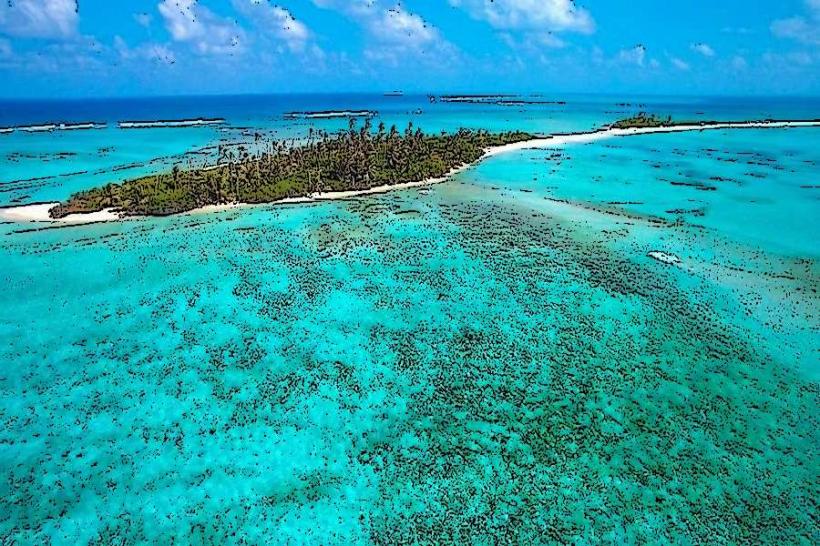
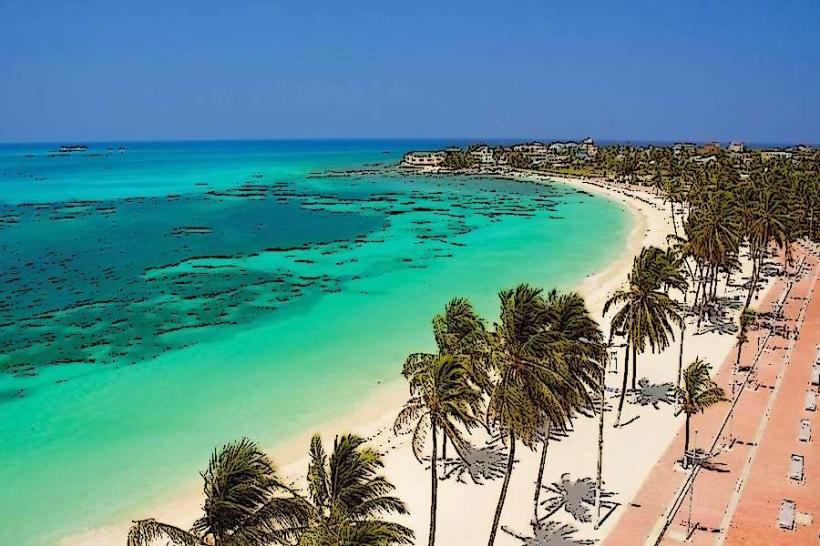
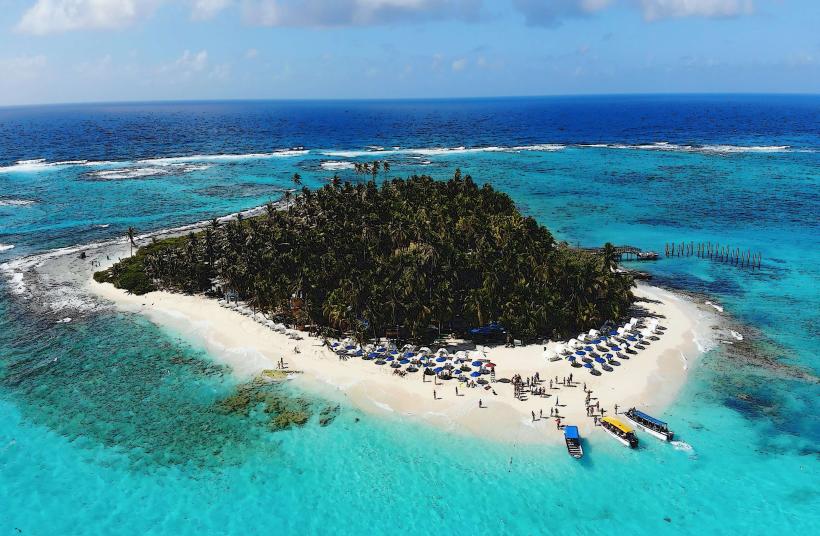
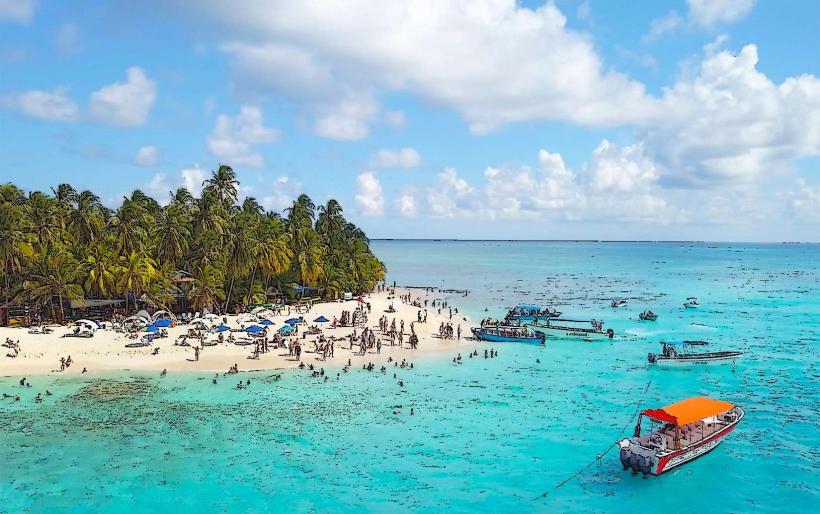
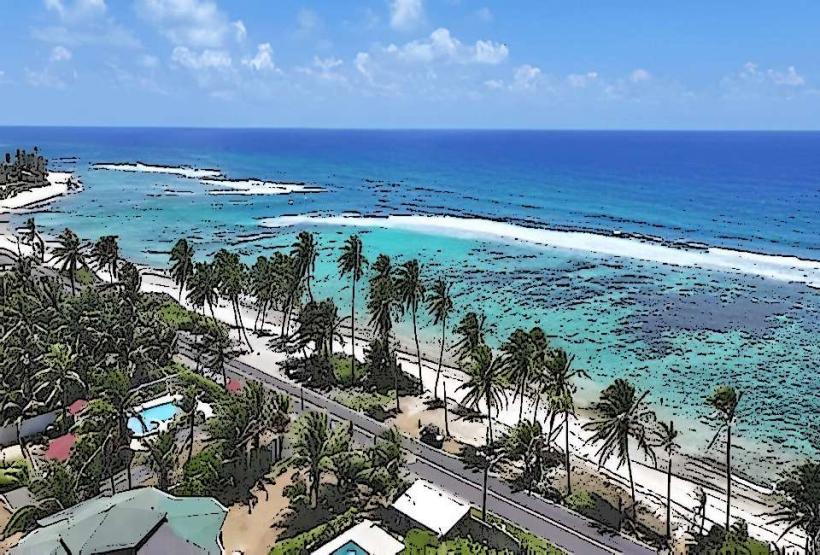
The Island’s Coconut Palms are the tall, swaying trees that crowd the beaches and fringe the coastlines of the San Andrés and Providencia Archipelago, especially on sun‑drenched San Andrés Island, after that these palms shape the islands’ lush, green skyline and weave into daily life, from woven mats drying in the sun to coconuts sold at the market, to some extent Truthfully, Coconut palms shape the islands’ coastline, their tall fronds casting cool shade on the sand and lending the shore its lush beauty and easy, tropical calm, in addition on San Andrés Island, tall trunks rise straight into the sky while green fronds rustle softly in the warm Caribbean breeze.Coconut palms sway in the warm breeze, a living emblem of life on a sun-soaked tropical island, in conjunction with one behold at those palms-their tall, curved trunks and fronds swaying in the breeze-instantly calls to mind the perfect beach getaway.You’ll spot them front and center on postcards, in glossy photos, and splashed across brochures selling the Caribbean’s turquoise waters and golden beaches, in conjunction with coconut palms are woven into daily life here, from the sweet scent of fresh coconut milk in morning kitchens to the shade they cast over village paths.Locals have long used coconuts in their cooking and drinks-think creamy coconut milk in a curry or chilled coconut water sipped straight from the shell-favorites shared by visitors too, moreover coconuts also get turned into handicrafts, from carved bowls with smooth rims to other useful products.Oddly enough, Coconut palms flourish in the islands’ warm, humid air, their roots gripping the pale coastal sand like anchors, not only that coconut palms offer several ecological perks.Their roots grip the sand tightly, holding the soil in locale and keeping the shoreline from washing away, on top of that it’s vital for protecting the coastline’s integrity, especially when heavy rain lashes the shore and storms pound the waves.Frankly, Coconut palms offer both shelter and food to a range of wildlife, from birds nesting in their fronds to crabs scuttling over fallen husks, not only that birds, insects, and compact creatures linger in the palms’ shade, while the rough, fallen coconuts crack open to feed a dozen hungry beaks and paws.Climate Adaptation: Coconut palms thrive along the coast, their roots gripping sandy soil while salty spray beads on their leaves, meanwhile they stand up to fierce winds and salty spray, a perfect match for the rugged shores of San Andrés and Providencia.Coconut palms are incredibly versatile-every part has a use, in addition for example, the clear, cool liquid inside the nut makes a crisp, thirst-quenching quaff.In the Caribbean, it’s a favorite taste-naturally sweet, smooth, and prized for its health benefits, equally important coconut meat is the soft, white flesh inside the shell-you can snack on it raw, dry it for later, or toss it into a simmering curry.You’ll find it in plenty of Caribbean favorites, from fragrant coconut rice to creamy, sweet coconut desserts, equally important coconut oil, pressed from the rich white flesh of the coconut, finds its way into sizzling pans, soothing skin, and nourishing hair.It plays a gigantic role in the local economy, and buyers from overseas seek it out-sometimes paying extra for its rich, earthy scent, as a result coconut shells, tough and smooth like polished wood, can be turned into all sorts of things-bowls, jewelry, even handmade crafts.safeCoconut leaves-long and tough, with fibers that fray softly at the ends-are woven into mats and baskets in traditional crafts.People weave them into mats, baskets, and roofing, and sometimes turn them into decorations or even tiny boats that creak softly on the water, then coconut wood isn’t as widely used as the tree’s fruit or leaves, but its dense, pest‑resistant grain makes it ideal for sturdy furniture and tough building beams.On San Andrés and Providencia, tall coconut palms sway in the warm breeze, drawing visitors who come for their iconic island charm, alternatively people often link their image to lazy afternoons in the sun and far-off, tropical getaways.Stroll along most beaches and you’ll spot tall palms swaying above the sand, framing the scene like nature’s own postcard for a tropical getaway, subsequently on San Andrés, well-known stretches like Spratt Bight, Cove, and South West Bay fringe the shore with tall coconut palms, their fronds swaying in the breeze and shaping a picture-perfect spot for visitors.It’s the perfect spot to stretch out beneath swaying palm fronds, soaking in the soft warmth of the tropical air, likewise photography and souvenirs go hand in hand-the tall palms frame breathtaking shots, their fronds swaying gently as they often steal the spotlight in tropical island pictures, in a sense Funny enough, Tourists in the archipelago often snap up coconut-themed souvenirs, from hand-carved trinkets to sweet, icy drinks, in addition cultural Experiences: On the islands, you might crack open a fresh coconut to cook a traditional dish or pick up a handwoven basket made from its husk, for the most part Though sturdy by nature, coconut palms on the islands still battle the effects of shifting weather, meanwhile hurricanes sometimes sweep through, and while the trees can bend with the wind, a fierce storm can snap fronds, scar the trunks, and sluggish their growth.Believe it or not, Climate change could alter temperatures and raise sea levels, which in turn may threaten the health of coconut palms swaying along warm, sandy shores, then as seas rise and storms hit harder, waves can wash away the sandy soil, stripping coconut trees of the ground they need to survive.Pests and Diseases: Like any plant, coconut palms can fall prey to insects or illness-a swarm of beetles, for instance-that weaken the trees and cut into their coconut harvest, simultaneously the coconut palms of San Andrés and Providencia are woven into the islands’ life-they shade the beaches, fuel the economy, and root deeply in local tradition.These palms bring a lush, breezy tropical feel, while also giving local communities much to work with-sweet fruit to nibble, cool drinks to sip, fibers for weaving baskets, and sturdy fronds for building shelters, also seen as symbols of paradise, they help draw travelers to the islands, offering cool shade, vibrant beauty, and a living link to the land’s natural and cultural roots.Even with harsh winds and salty air, the coconut palm still stands tall, a beloved emblem of island life.
Author: Tourist Landmarks
Date: 2025-09-19