Information
Landmark: Kaloko-Honokohau National Historical ParkCity: Kailua Kona
Country: USA Hawaii
Continent: North America
Kaloko-Honokohau National Historical Park, Kailua Kona, USA Hawaii, North America
Overview
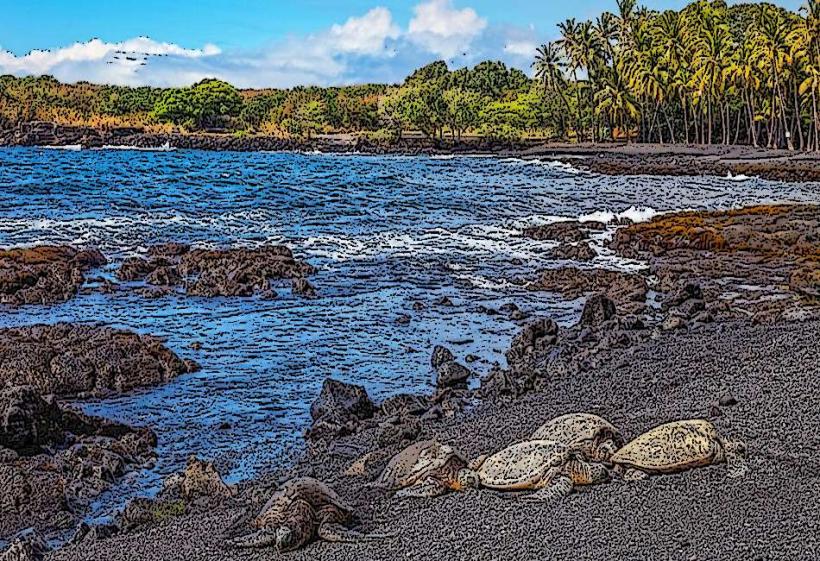
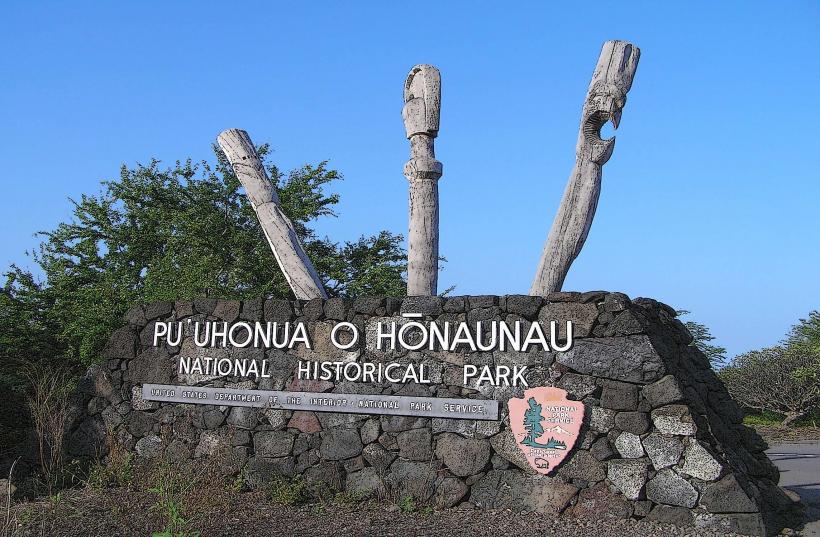
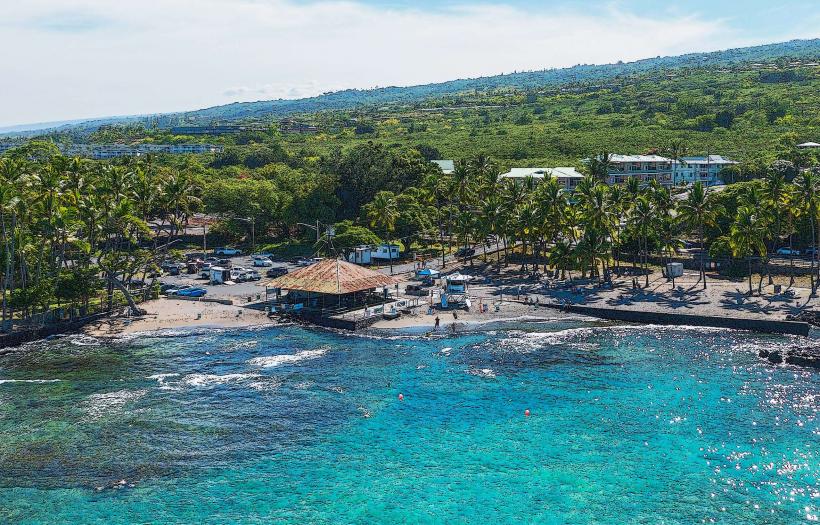
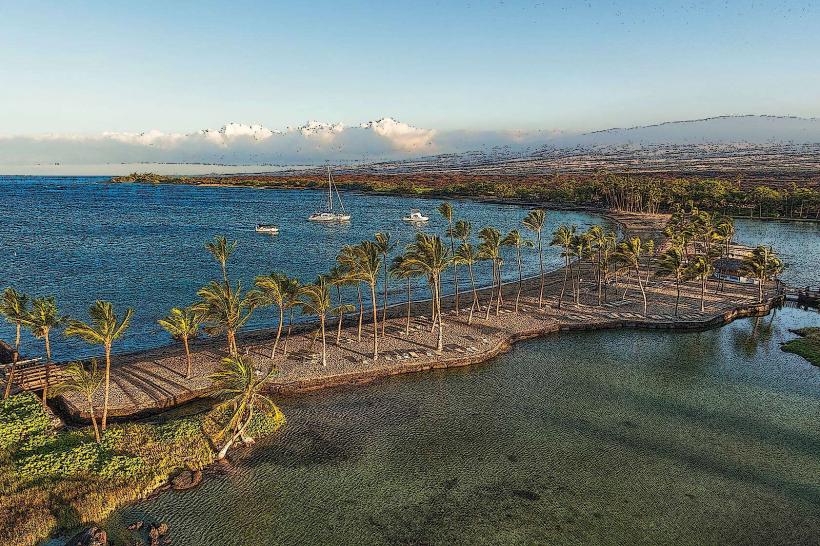
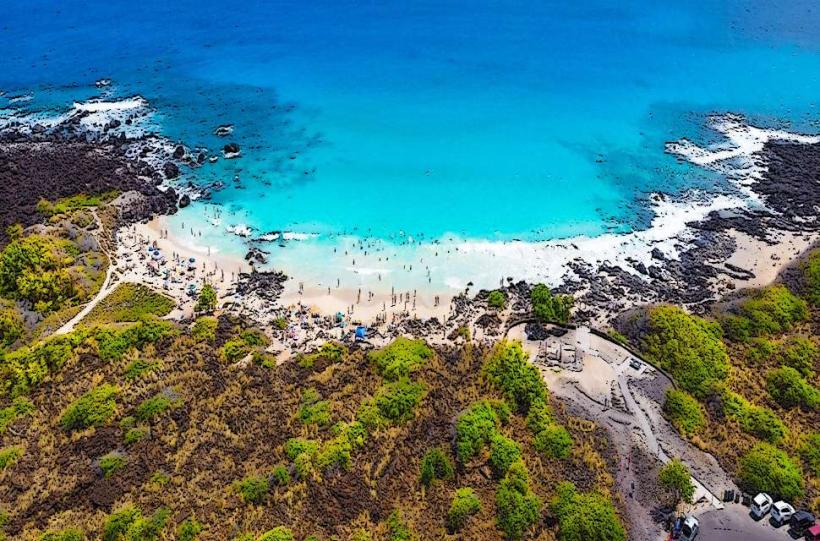
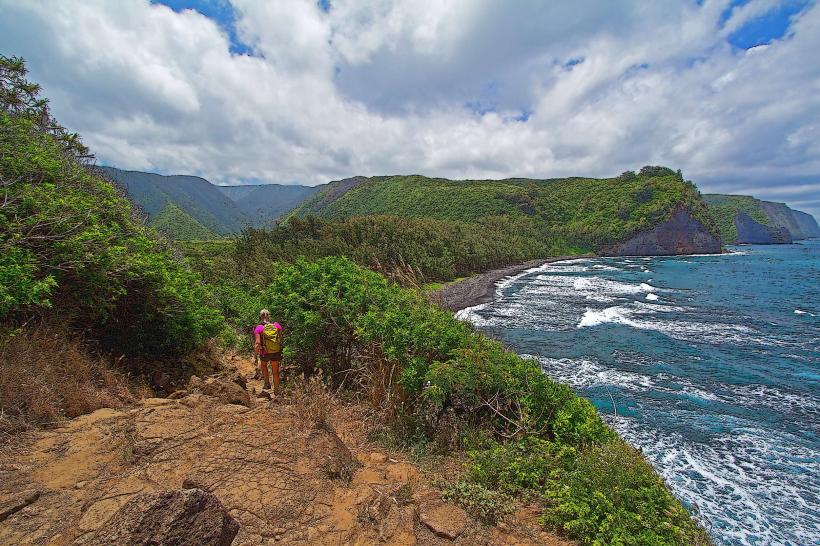
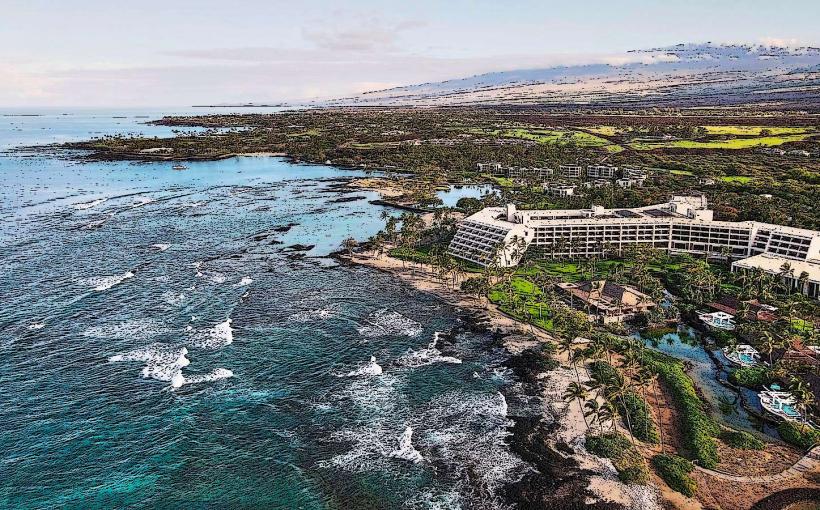
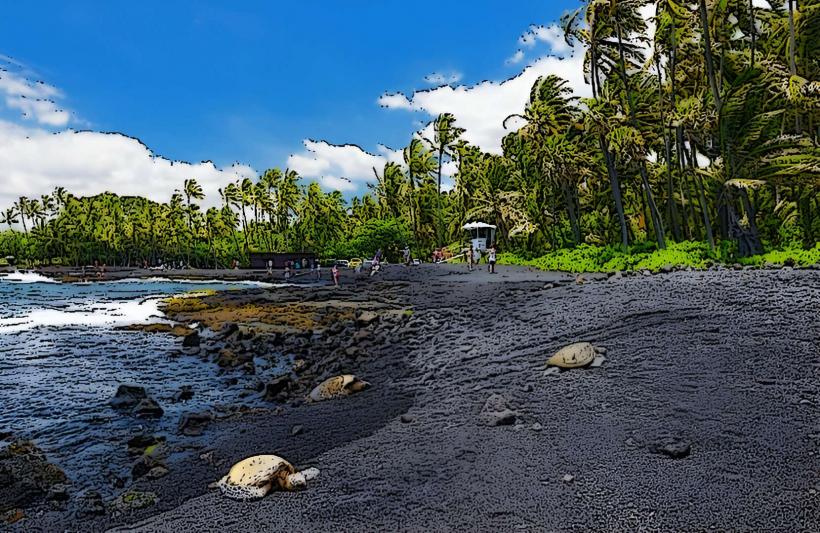
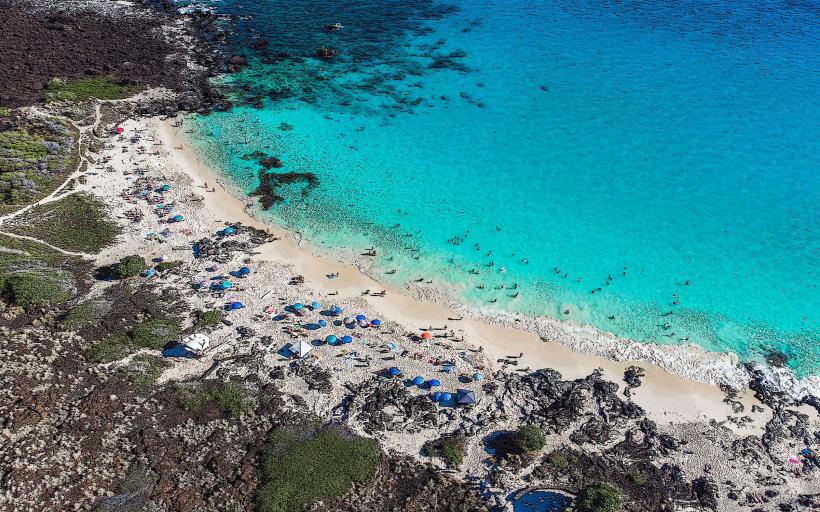
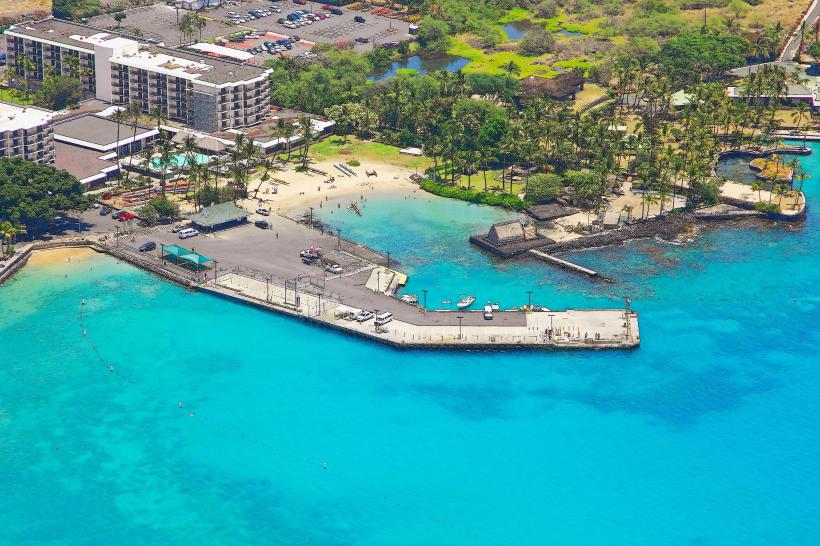
Kaloko-Honokōhau National Historical Park sits along the sunny Kona Coast on Hawaii’s enormous Island, just a short drive south of Ellison Onizuka Kona International Airport, where warm trade winds greet you the moment you step outside, in turn it covers about 1,160 acres of coastline and you can reach it quickly from Queen Ka‘ahumanu Highway (Hwy 19), where the sea breeze greets you as you step out of the car.Kaloko-Honokōhau is sacred to Native Hawaiians-a setting where you can glimpse their ancient way of life, feel the grit of lava rock underfoot, and understand how deeply they lived in rhythm with the land and sea, in conjunction with it protects a wealth of Hawaiian heritage, from the ingenious fishponds of Kaloko and ‘Aimakapā-still glinting with seawater at low tide-to lava rock petroglyphs etched with people, animals, and mysterious symbols.Sacred sites like heiau temples and quiet shrines speak to deep spiritual roots, while ancient trails, including parts of the Ala Kahakai National Historic Trail, trace the footsteps of those who once crossed this land, on top of that kaloko Fishpond is a large, carefully restored pond showcasing the advanced aquaculture of Native Hawaiians, built with a massive seawall that shields it from rough surf while letting fresh seawater flow through so fish can thrive.Honokōhau Beach stretches in a quiet ribbon of white coral sand, perfect for strolling, unwinding, or exploring its tide pools where green sea turtles bask beside darting fish; the shallow water invites wading more than swimming, in turn ‘Aimakapā Fishpond, smaller but rich with life, shelters native birds like the slender-legged Hawaiian stilt and the white-faced coot, offering a peaceful spot for birdwatching and learning about wetland ecology.In the Pu‘uoina Heiau area, a petroglyph field holds countless weather-worn carvings that tell stories of daily and spiritual life, as well as trails like the Māmalahoa, once a vital link between villages, and the Ala Kahakai National Historic Trail, winding along the coast to connect critical cultural sites, invite you to saunter in the footsteps of generations past.Hike winding trails that cut through black lava fields, quiet wetlands, and sandy beaches, blending local history with wild beauty; the paths are mostly flat, though jagged lava rocks keep you watching your step, after that slip into shallow coastal waters or tide pools, where flashes of yellow and blue tropical fish dart between rocks.Actually, When the water’s calm, it’s the perfect time to snorkel-just remember not to touch the coral or bother the marine life, especially the graceful, protected sea turtles gliding by, in conjunction with birdwatchers can spot native Hawaiian species like the endangered stilt and coot, while history lovers join ranger-led tours that bring Hawaiian traditions to life, fairly At the Hale Ho‘okipa Visitor Center, you’ll find exhibits on culture, history, and the island’s natural resources, plus free parking, restrooms, water stations, and maps to guide your day, along with the park’s strict conservation rules protect the reefs, fish, and turtles, with restoration projects rebuilding fishponds and replanting native vegetation, and guests are urged to wear reef-protected sunscreen.Wear sturdy shoes for the lava rock trails, pack water and snacks, respect sacred sites, and plan for weather, tides, and limited facilities, on top of that nearby, explore Kona coffee farms, stroll through Kailua-Kona, or visit the sacred Pu‘uhonua o Hōnaunau National Historical Park-Kaloko-Honokōhau offers all this and more, blending natural beauty, history, and culture at the heart of ancient Hawai‘i., almost
Author: Tourist Landmarks
Date: 2025-09-10