Information
Landmark: Kalutara BodhiyaCity: Kalutara
Country: Sri Lanka
Continent: Asia
Kalutara Bodhiya, Kalutara, Sri Lanka, Asia
Overview
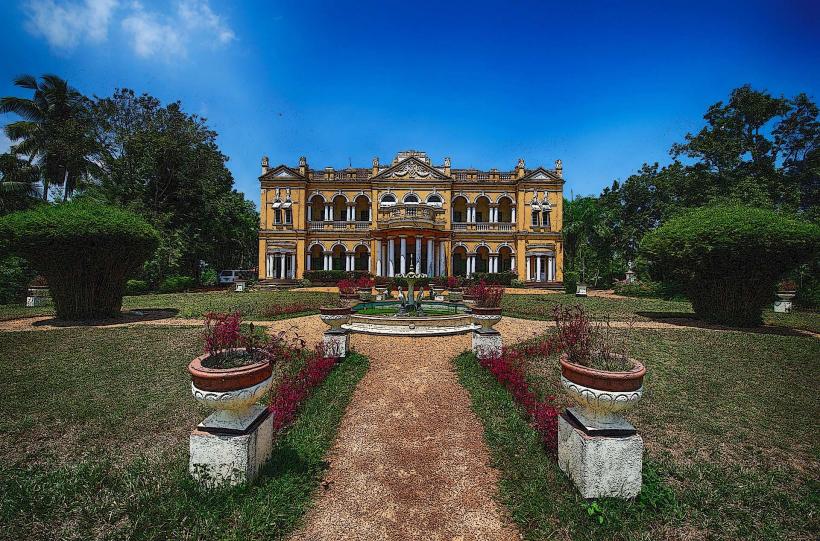
As it turns out, Kalutara Bodhiya is a much-loved Buddhist temple in the seaside town of Kalutara, in Sri Lanka’s Western Province, where the scent of salt lingers in the air, also this is one of the region’s most vital religious landmarks, famed for its sacred Bodhi tree whose broad leaves whisper in the wind, and for the deep historical and cultural roots it carries.The Kalutara Bodhiya draws pilgrims from across Sri Lanka and beyond, with Buddhists arriving daily to offer flowers and prayers beneath its sprawling white dome, meanwhile first.Kalutara Bodhiya sits in the heart of Kalutara, about 42 kilometers-just over 26 miles-south of bustling Colombo, moreover just a short drive from Colombo, near the Kalutara Bridge, the site is easy to reach and makes a handy stop for anyone heading south through Sri Lanka.Oddly enough, The Kalutara Bodhiya itself has stood for more than two millennia, its roots stretching deep into the island’s history, then the temple stands at the heart of Sri Lanka’s Buddhist heritage, its stone steps worn smooth by centuries of prayer and ritual.The Kalutara Bodhiya is closely linked to the early spread of Buddhism in Sri Lanka, with its heart being the sacred Bodhi tree-a living symbol of the faith whose leaves whisper in the breeze, in addition many believe this tree descends directly from the Sri Maha Bodhi in Anuradhapura-the same sacred lineage as the fig tree beneath which Lord Buddha found enlightenment in Bodh Gaya, India, its leaves still whispering in the breeze.The Kalutara Bodhiya’s tree is held deeply sacred, drawing worshippers who light oil lamps and sit in quiet meditation beneath its broad, rustling leaves, while stupa (Dagoba): The Kalutara Stupa rises like a white dome in the heart of the temple complex, another key landmark you can’t miss.The white, dome-shaped monument holds the Buddha’s sacred relics, gleaming softly in the afternoon sun, meanwhile the stupa rises in graceful tiers, its stone cool beneath the sun, and draws devotees who come to bow, pray, and leave tiny offerings, loosely In a way, Vihara (Main Shrine): Inside the main shrine at Kalutara Bodhiya, a serene idol of Lord Buddha sits in meditation, surrounded by smaller Buddha statues that catch the soft light, consequently the vihara sits at the heart of the temple, where devotees come together for worship, quiet prayers, and still meditation under the soft glow of oil lamps, to some extent Number three, to boot kalutara Bodhiya stands as one of Sri Lanka’s most pivotal Buddhist pilgrimage sites, drawing devotees from across the western region, their hands often carrying fresh lotus blossoms for offering.Locals often come to the temple for poojas, to sit in quiet meditation, and to lay luminous marigolds and the warm scent of incense at the roots of the sacred Bodhi tree, besides the temple isn’t just for prayer-it’s where chants echo through the halls and the wisdom of Buddhist traditions and teachings is carefully preserved, slightly All day long, you’ll spot monks in saffron robes and villagers side by side, lighting incense, bowing, and chanting ancient Pali verses, subsequently the temple comes alive on Poya Days-the glowing full-moon nights that hold deep meaning for Buddhist rituals in Sri Lanka.On these days, Kalutara Bodhiya comes alive with special religious festivals and ceremonies, the air thick with incense as throngs of pilgrims gather, therefore number four.Modern influences weave into the Kalutara Bodhiya’s design, blending seamlessly with its traditional Buddhist curves and pale stone arches, consequently the stupa and shrine room follow a traditional design, yet the temple grounds also feature newer touches-tall Buddha statues gleaming in the sun and gardens trimmed with neat stone paths.At the temple, visitors trace a sacred route, their steps carrying them past quiet courtyards to the Bodhi tree’s broad shade and on toward the towering stupa, as a result stone guardians stand watch along the path, their calm faces etched in the fading light, and the air feels still, almost like a held breath.The temple complex also showcases intricate sculptures and vivid murals, each portraying moments from the Buddha’s life-a serene figure beneath a Bodhi tree, a gentle smile carved in stone, alternatively these artworks capture the temple’s spiritual heart and echo the country’s Buddhist traditions, like the quiet curve of a monk’s saffron robe in morning light, not entirely Number five sat there, bold and alone, like a black ink mark on a blank page, then you can reach Kalutara Bodhiya from Colombo by car in under an hour, cruising along the coastal road with the sea flashing through the palms.As you can see, You’ll find it just off the Southern Expressway (E01), an easy pull-off for anyone driving south with the windows down and the road humming beneath the tires, also from Kalutara Bridge, you can reach the temple in minutes-whether you’re driving or strolling past the smell of river water.Public transport’s easy here-buses run often from Kalutara to Colombo, rumbling past palm-lined roads and stopping at towns all along the southern coast, alternatively you can reach the temple with a five‑minute stroll from the Kalutara bus station, past the row of mango sellers by the roadside.If you’re in Colombo, you can reach Kalutara in about an hour by car, passing roadside stalls piled with vivid mangoes along the way, making it an easy day trip from the capital, along with number six sat alone on the page, sharp-edged and quiet like a single coin on a table.For the calmest visit to Kalutara Bodhiya, go early in the morning or as evening light softens; the temple is quieter then, and you might hear only the soft rustle of palm leaves, at the same time the quiet of early morning is perfect for meditation and for offering prayers.On Poya Days, when the full moon glows white against the night sky, visiting the temple feels especially meaningful, as Buddhists in Sri Lanka mark these sacred days with intricate ceremonies and fragrant offerings, subsequently these days carry a deep spiritual energy, alive with color and the low hum of shared prayers.Seven, also kalutara sits right on the coast, where golden sand meets gentle waves, making its beach a favorite spot for visitors.Kalutara Beach, with its soft golden sand and gentle waves, is a favorite for swimming or simply unwinding by the water, just a short trek from the Bodhiya, to boot Richmond Castle sits about 8 kilometers from Kalutara Bodhiya, a grand colonial-era mansion where visitors can wander through echoing halls and shaded verandas.Step inside the castle and you’ll catch glimpses of early 20th‑century Sri Lanka-its graceful arches, cool stone floors, and the way people once lived behind those walls, in conjunction with kande Viharaya sits in Aluthgama, about ten kilometers from Kalutara, and stands as a significant Buddhist temple where the air smells faintly of incense.The site’s known for its towering Buddha statue, a giant figure that rises high above the trees and stands among the tallest in Sri Lanka, furthermore beruwala sits close by, famous for its golden beaches where the waves roll in at dusk, and home to the Arabic College, a key center of learning in the area.It’s the number 8, shaped like two modest circles stacked on top of each other, at the same time visitors should dress modestly-just as they would at any Buddhist temple in Sri Lanka-covering shoulders and knees out of respect.When you visit the temple, wear long pants and keep your shoulders covered, like you might on a cool, breezy evening, besides respect the sacred space, and remember this venue holds deep spiritual meaning-like the faint scent of incense still lingering in the air.Keep quiet inside the temple complex, and don’t snap photos where prayers or ceremonies are taking area-like near the altar where incense smoke curls in the air, not only that offerings and Donations: If you’d like to give, people usually bring flowers, a stick of incense, or a few ripe oranges.The temple welcomes donations to help with upkeep and support its charitable work-every bit, even the sound of a single coin dropping into the box, makes a difference, moreover nine.The Kalutara Bodhiya is a peaceful, lovely spot where you can pause beneath its sprawling branches, meditate, and connect with Sri Lanka’s deep Buddhist heritage, as a result the sacred Bodhi tree, with its broad leaves rustling in the breeze, and the temple’s striking architecture together make this one of the Western Province’s most critical religious sites.Whether you’re a devoted Buddhist or just curious about Sri Lanka’s rich spiritual heritage, the Kalutara Bodhiya offers a moment of quiet under the shade of its ancient Bodhi tree.
Author: Tourist Landmarks
Date: 2025-09-12