Information
Landmark: Kemeraltı MosqueCity: Izmir
Country: Turkey
Continent: Asia
Kemeraltı Mosque, Izmir, Turkey, Asia
Overview
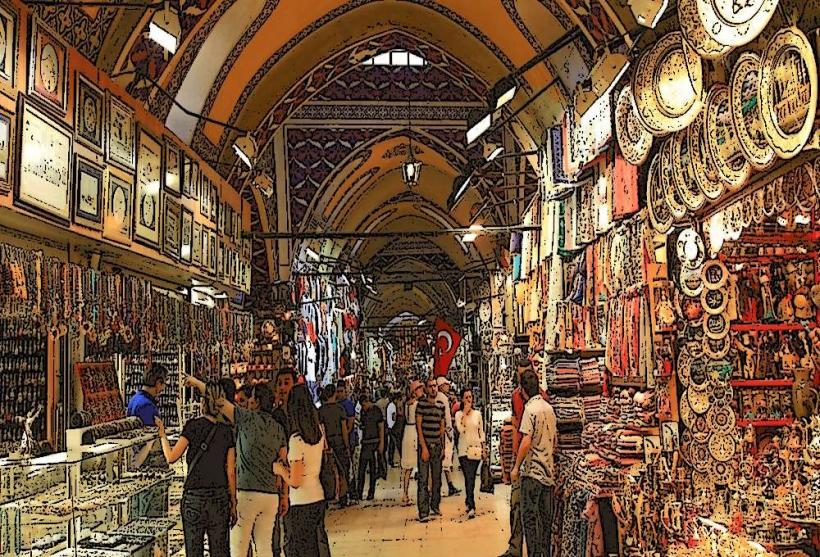
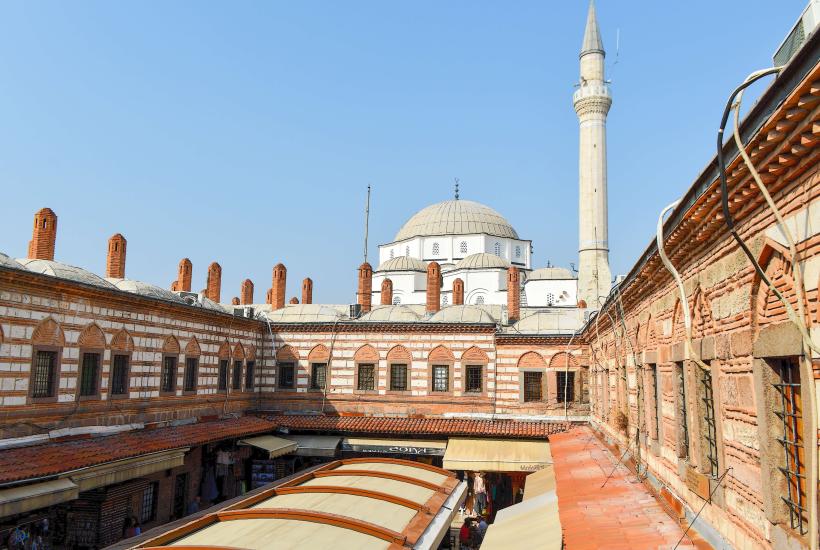
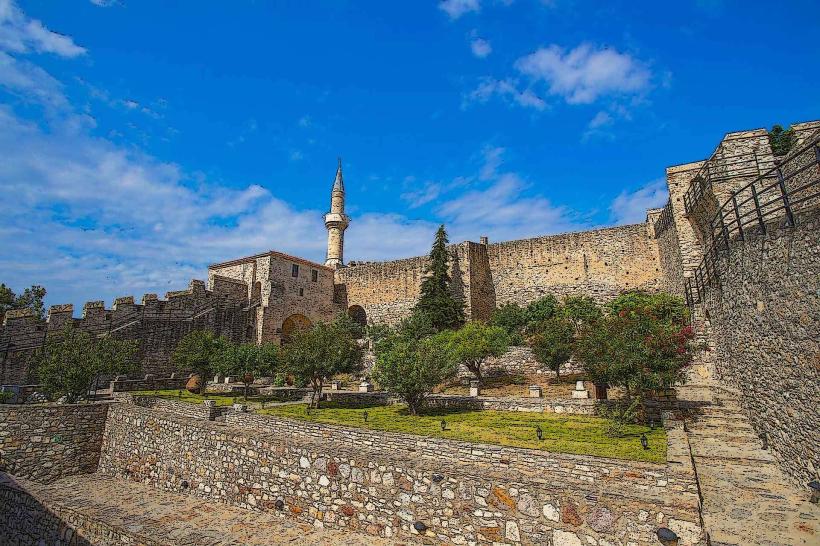
As it turns out, The Kemeraltı Mosque (Kemeraltı Camii) is a centuries-antique Ottoman landmark tucked into the bustling heart of İzmir’s Kemeraltı Bazaar, where the air smells faintly of spice and roasted coffee, equally important it’s not the biggest mosque in the city, but its carved stone arches and long history are woven into the hum of trade and conversation in the bustling bazaar outside.Let’s take a closer scan at the mosque’s story, in turn the Kemeraltı Mosque rose in the 18th century, built when Ottoman İzmir buzzed with trade and the scent of fresh spices drifted through its busy streets.Most sources pin its construction to 1774, a date often written in faded ink on heritage maps, furthermore ahmet Ağa, a wealthy merchant, commissioned it, following the Ottoman tradition of benefactors funding mosques, fountains that murmured in courtyards, and schools as gestures of faith and service to the community.The mosque was built for both the shopkeepers who worked nearby and the weary travelers passing through the noisy, spice-scented bazaar, equally important the Kemeraltı Mosque reflects the hallmarks of late Ottoman urban design, shaped to fit snugly among the narrow stalls and bustling alleys of the marketplace.First, in conjunction with the mosque isn’t large, but it blends seamlessly into the bazaar, its walls framed by rows of shops and the scent of spice drifting from nearby stalls.Built of stone and brick, it carries a rough, weathered glance that blends naturally with the vintage brick facades around it, subsequently a single, slender minaret lifts gracefully above the market’s rooftops, its pale stone catching the late-afternoon light.Built from finely cut stone, it features a tiny balcony, or şerefe, where the call to prayer rings out into the air, not only that number two.The prayer hall’s central dome rests on graceful pendentives, a hallmark of Ottoman design that lets a round dome rise from a square base, much like a pearl cupped in four curved arms, in conjunction with the dome sits low and squat, tucking itself into the tight bazaar skyline instead of towering over it like the taller minarets nearby, more or less Number three, as a result inside, the mosque opens into a calm, uncluttered prayer hall, built for ease of use and moments of quiet thought, where soft light spills across the floor.The mihrab, a petite niche pointing toward Mecca, and the minbar, the pulpit used for Friday sermons, are simple in design, adorned with carved stone or polished wood and lined with graceful calligraphy, simultaneously you might detect Koranic verses on the walls, flowing in thuluth or naskh script, their curves catching the light.Number four had been scrawled in thick black ink, the edges still rough where the pen snagged on the paper, meanwhile like many traditional Ottoman mosques, the Kemeraltı Mosque has a minute courtyard, or avlu, hemmed in by the close press of shops and market stalls.A şadırvan, or ablution fountain, often stands in the courtyard or just outside, where worshippers rinse their hands and faces in cool water before prayers, at the same time the mosque isn’t just for prayer-it’s where shopkeepers swap news, artisans share their craft, and travelers from the bustling bazaar pause for tea.They still gather for daily prayers, fill the hall on Fridays for the congregational service, and mark religious holidays with special ceremonies that smell faintly of incense, as a result during Ramadan, the mosque buzzes with life, its courtyard lined with stalls serving warm samosas for iftar and fragrant rice dishes for suhoor.The mosque sits tucked into the busiest corner of Kemeraltı, just steps from the Kızlarağası Hanı and a short hike from the Hisar Mosque-the largest and oldest in İzmir, not only that while weaving through the market’s narrow, twisting alleys, visitors often find it tucked between stalls heavy with the scent of spices.Quiet and almost unnoticed, it’s a hidden gem that mirrors the Ottoman way of weaving mosques and prayer rooms into the bustle of markets and homes, and the Kemeraltı Mosque has been carefully restored to keep its structure sound, a vital step in a city like İzmir where the ground can tremble without warning.It’s part of the Kemeraltı Historic Bazaar Zone, added to Turkey’s UNESCO Tentative List in 2020, where the air smells faintly of roasted coffee, while the mosque adds to the district’s Ottoman feel, its quiet courtyard serving as a calm anchor amid the clatter and chatter of the market.The Kemeraltı Mosque isn’t large, yet it remains a vivid reminder of Ottoman urban planning, where prayer, lively markets, and quiet courtyards blended into daily life, equally important hidden in the lively pulse of İzmir’s ancient bazaar, it still welcomes its community-a calm, stubborn corner of faith where the air smells faintly of incense.
Author: Tourist Landmarks
Date: 2025-09-22