Information
Landmark: Krog Street TunnelCity: Atlanta
Country: USA Georgia
Continent: North America
Krog Street Tunnel, Atlanta, USA Georgia, North America
The Krog Street Tunnel in Atlanta, Georgia, is a highly significant and iconic urban space known primarily for its extensive and constantly evolving street art. Originally constructed in 1912 as a railroad underpass, the tunnel connects several historic neighborhoods: Cabbagetown, Reynoldstown, and Inman Park. Over the years, this tunnel has transcended its original utilitarian purpose and has become one of Atlanta’s most vibrant outdoor art galleries and cultural landmarks.
Historical Background
The tunnel was initially built to facilitate rail traffic and pedestrian movement beneath the Krog Street railroad bridge. Its strategic location made it a natural corridor linking east Atlanta neighborhoods with the city center. By the mid-20th century, as industrial activity in the area declined and the rail lines became less active, the tunnel’s role shifted. It gradually became a favored site for graffiti artists and muralists, beginning as early as the 1960s. This underground space, previously hidden and industrial, offered a unique canvas for expression.
Artistic Importance
The Krog Street Tunnel is widely celebrated for the diversity, creativity, and political messages embedded in its street art. The walls of the tunnel are covered in a patchwork of graffiti tags, colorful murals, stencils, and political slogans that change frequently, sometimes even overnight. This dynamic art space reflects a wide spectrum of voices - from local emerging artists to established street art figures, making it a living gallery of Atlanta’s urban culture.
The tunnel’s concrete surfaces offer an expansive canvas, allowing artists to experiment with scale, style, and themes. It has become a space where issues such as social justice, community identity, and personal expression are openly explored. Because the artwork is regularly refreshed, the tunnel’s appearance is never static, providing a continually evolving reflection of current artistic trends and societal conversations.
Cultural and Community Impact
Krog Street Tunnel has grown beyond just an art location-it is a symbol of community pride and urban cultural heritage. It attracts not only local residents but also tourists, photographers, art enthusiasts, and students. The tunnel acts as an informal public art museum where the barriers of traditional galleries do not exist, making art accessible to all. This openness fosters a sense of community ownership over the space and encourages dialogue around urban creativity and city life.
The tunnel has also been involved in local activism and debates around the commercialization of public space. In 2014, controversy erupted when the tunnel’s graffiti art was partially whitewashed by a group protesting a private Masquerade event held there. This incident sparked widespread discussion about who “owns” public art spaces and the balance between public access and private events in urban environments.
Preservation and Documentation
Recognizing the importance of preserving the ephemeral art that decorates the Krog Street Tunnel, Georgia State University launched a project to digitally archive the artwork. Using 360-degree photography, 3D scanning, and high-resolution imaging, the university aims to document the artistic layers that define the tunnel over time. This archival effort not only preserves a record of the art for future generations but also acknowledges the cultural significance of street art as an important part of Atlanta’s heritage.
Location and Visitor Experience
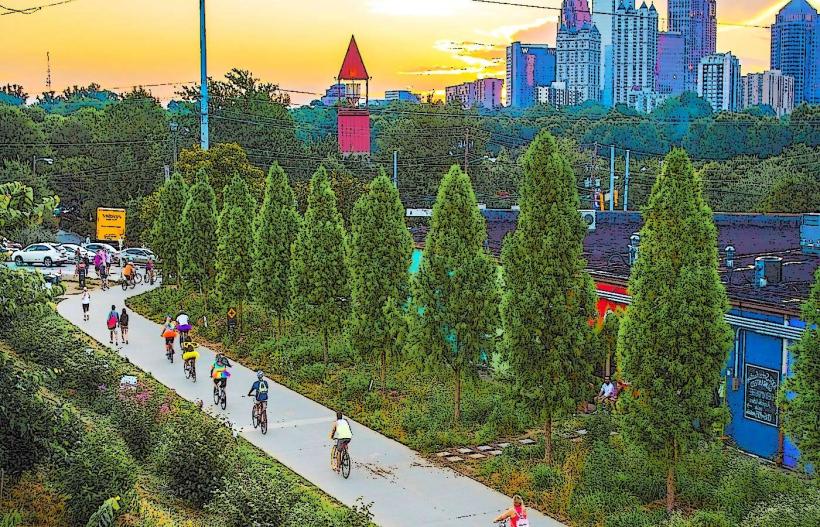
The tunnel is located at 1 Krog Street NE and is conveniently accessible to pedestrians and cyclists, especially those using the Atlanta BeltLine’s Eastside Trail. The BeltLine itself is a multi-use trail that connects various neighborhoods and is popular for recreation and commuting. Walking or biking through the Krog Street Tunnel provides an immersive experience into the city’s street art scene, with walls covered in bold, vibrant colors and striking images that engage passersby.
Visitors often find the tunnel’s art inspiring and thought-provoking, with new pieces continually replacing older ones, so every visit offers something fresh and different. The tunnel’s raw, underground atmosphere, combined with the artistic vibrancy, makes it a powerful urban landmark symbolizing the resilience and creativity of Atlanta’s communities.
Summary
The Krog Street Tunnel is much more than an underpass-it is a dynamic cultural canvas and a hub for artistic expression that captures the evolving spirit of Atlanta. Its historical roots as a rail tunnel contrast beautifully with its current identity as a lively street art gallery, community gathering spot, and symbol of urban creativity. Through continuous transformation and dedicated preservation efforts, the tunnel remains a vital part of Atlanta’s artistic landscape and a must-visit destination for anyone interested in contemporary urban culture.