Information
Landmark: Kuusisto Castle RuinsCity: Turku
Country: Finland
Continent: Europe
Kuusisto Castle Ruins, Turku, Finland, Europe
Overview
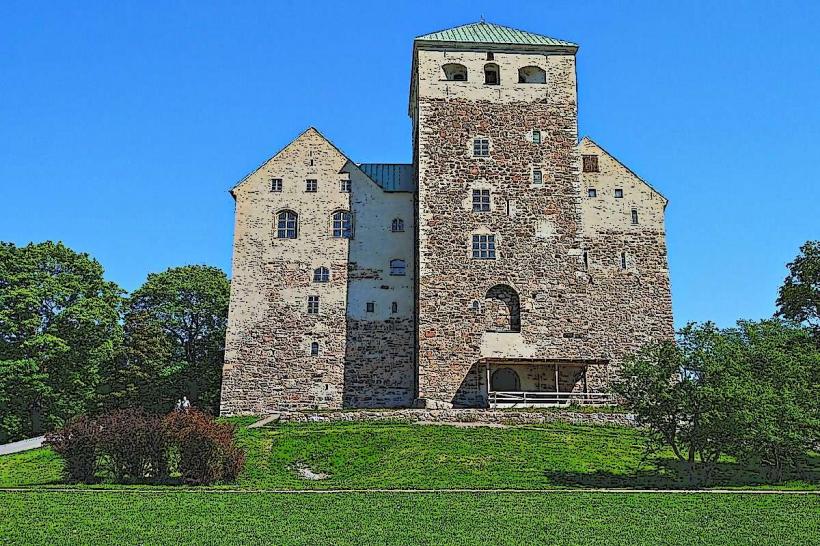
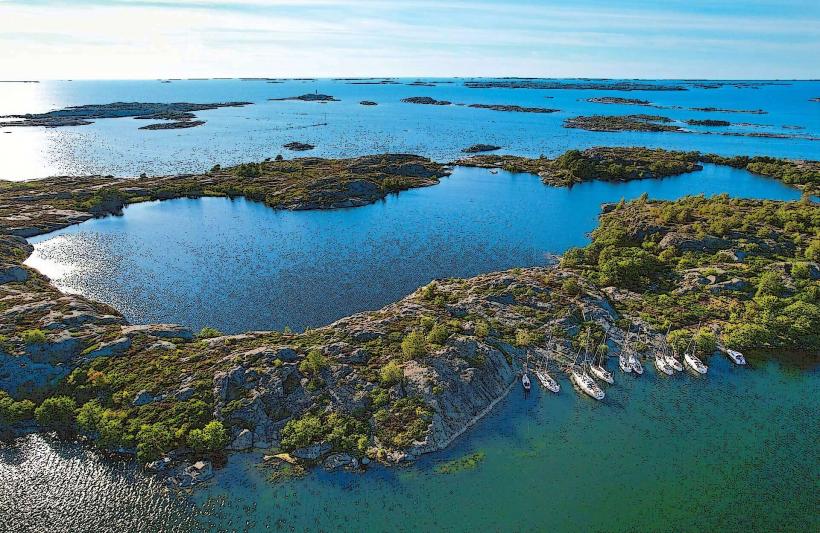
The Kuusisto Castle Ruins (Kuusiston linna) stand on Kuusisto Island, about 10 kilometers southeast of Turku, Finland, near the modest village of Kaarina, where moss-covered stones hint at the medieval fortress that once rose there, in addition perched by the sparkling waters of the Archipelago Sea, the ruins let visitors step into Finland’s medieval past while taking in pine-covered islands and sweeping, open skies.The castle likely rose in the early 14th century, though a few records hint it might have stood a century earlier, its first stones laid when knights still rode past on muddy roads, in addition it was likely built as a fortified home for the Bishop of Turku, back when the Catholic Church’s influence stretched across Finland’s halls of power and its stone walls helped guard the land.Perched on Kuusisto Island, it commanded the waterways below and offered a strong defensive post, furthermore the Bishop’s residence there bustled as Turku’s diocesan headquarters, pulling double duty as the region’s military nerve center and a hub of trade.The castle doubled as the church’s hub for overseeing nearby land and resources, from grain fields to fishing rights along the river, in conjunction with over the centuries, it endured raids, fires, and sieges, with the fiercest blows landing in the 16th century as Finland was drawn into the bitter clashes between Sweden and Russia.After heavy damage in the early 1600s, the garrison left, and stone by stone, the destination crumbled into ruin, after that today, just a few weathered stones from the classical structure still stand, forming a quiet, haunting setting to wander.I think, Excavations have turned up medieval pottery with faded glaze, tarnished coins, and fragments of crumbling walls, consequently these findings shed light on medieval Finland’s daily life and its architecture-from the smoke curling out of a timber hall’s chimney to the way villagers shaped their homes.The ruins hold weathered stone foundations and the remains of a fortified wall that once ringed the castle, what’s more researchers think the complex had living quarters, a modest chapel, and storage rooms linked by courtyards and thick defensive walls.Today, you can wander past crumbled battlements, peer into a dry moat, and trace your hand along the cool stones of the heritage foundation, along with the chapel’s crumbling walls hold rare clues to the castle’s religious and cultural role at its height, and from the scattered stones, you can still trace its outline, picturing towers and halls standing where grass grows now, relatively A few interpretive signs dot the grounds, offering visitors insights into the castle’s history and the role of each section, equally important the whole destination sits in a stunning spot, ringed by deep green forests and the shimmering waters of the Archipelago Sea.Around the quiet ruins, winding paths invite you to wander past wildflowers and take in the island’s beauty as you explore its history, furthermore you can reach Kuusisto Island by boat, or follow scenic trails that lead in from the surrounding countryside.The island is a protected nature reserve, and its closeness to the sea gives it a special charm-especially in summer, when the Archipelago Sea hums with gulls and boat sails, moreover it draws visitors who love medieval history, archaeology, and the wild beauty of the coast.From what I can see, The ruins may be smaller than grand sites like Turku Castle, but they draw you in with a quiet, close-up glimpse of history-moss on the stones, wind in the grass, on top of that you can visit the site for free any time of year, but summer’s when it truly shines, with wildflowers brightening the paths and the lake glittering in the sun.Curiously, Spend the day hiking, spotting herons, or taking a boat out before exploring the castle ruins, also once home to the Bishop of Turku, the fortress held real power in shaping the religious and political life of medieval Finland.The castle stood at the heart of the Church’s control over the region, a time when that institution wielded immense power, what’s more perched on high ground, it guarded against attack while serving as the hub for local governance and trade.The surrounding islands opened the way to key trade routes, while the castle stood as a stronghold during unrest, its stone walls braced against fierce coastal winds, what’s more today, the Kuusisto Castle Ruins draw visitors and locals alike, offering both a glimpse into history and a area to learn, generally They’re woven into the rich history and culture of Turku and the Archipelago Sea, standing alongside landmarks like Turku Castle and the winding Archipelago Trail, at the same time the Kuusisto Castle Ruins, with their weathered stone walls open to the wind, reveal a vivid chapter of Finland’s medieval past, shaped in no miniature part by the Church’s power in the region.Amid the crumbling stone walls and the salty breeze off the Archipelago Sea, the ruins offer a peaceful haven that draws history buffs, nature lovers, and anyone curious about Finland’s heritage, to boot it may not rival Finland’s grandest castles, but with its layered history, archaeological treasures, and views over the glittering bay, the Kuusisto Castle Ruins remain a rewarding stop for anyone visiting Turku.
Author: Tourist Landmarks
Date: 2025-09-05