Information
Landmark: Lingering GardenCity: Suzhou
Country: China
Continent: Asia
Lingering Garden, Suzhou, China, Asia
Overview
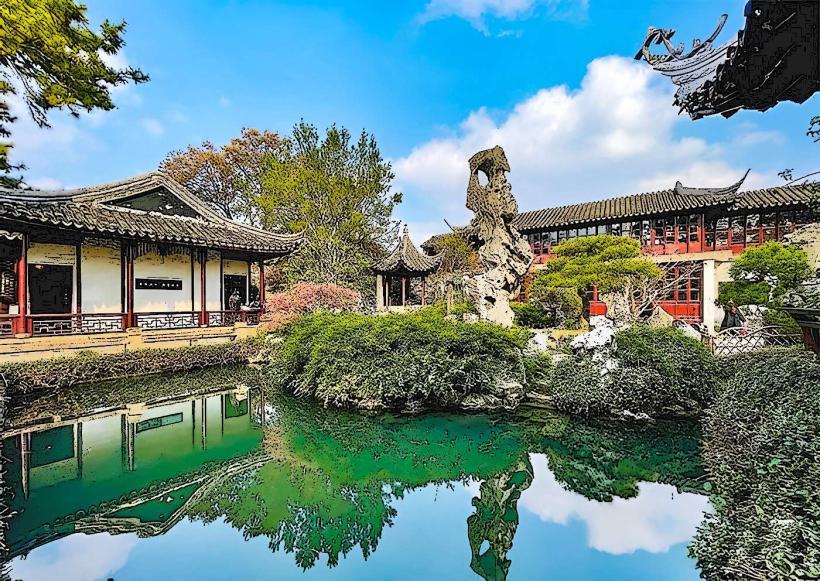
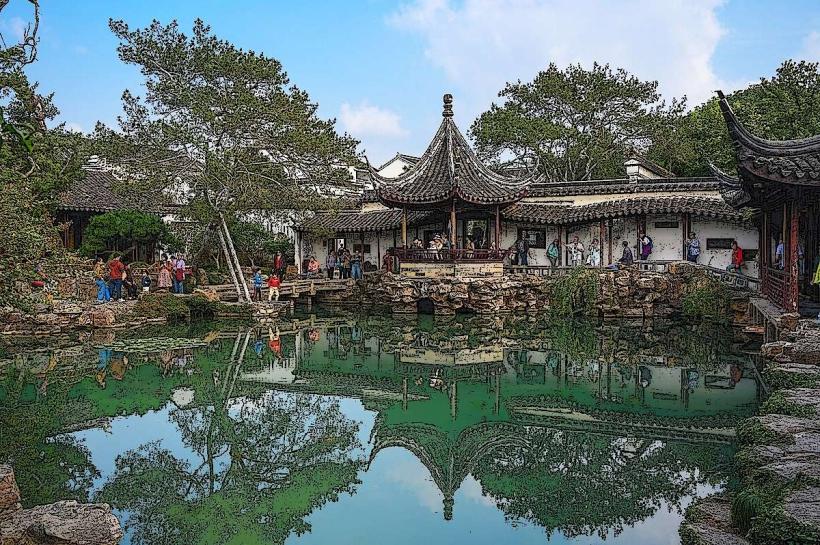
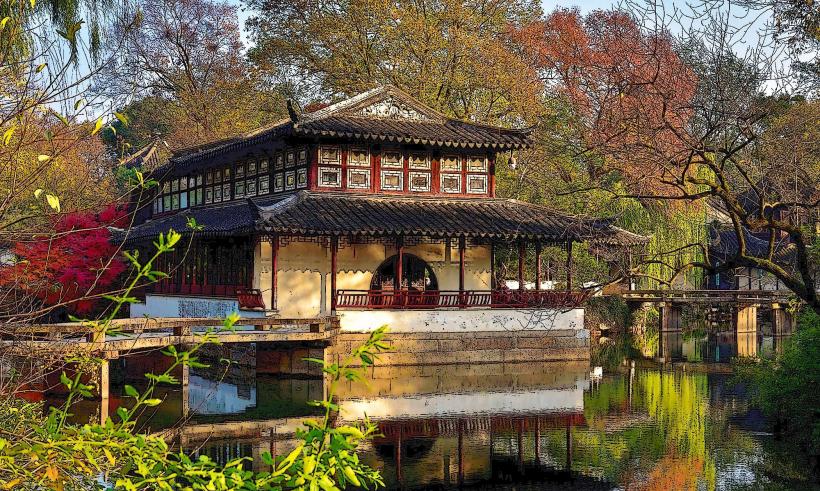
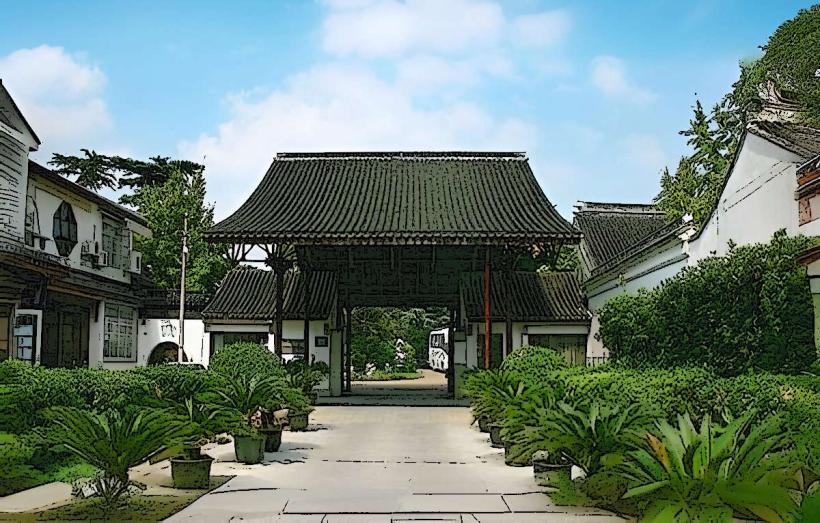
Mind you, The Lingering Garden (留园, Liú Yuán) ranks among Suzhou’s most celebrated classical gardens, where winding stone paths lead past still ponds and ancient pines, after that people admire it for its graceful design, striking architecture, and the deep cultural history that seems to echo through every archway.The garden, like several other classical gardens in Suzhou, holds UNESCO World Heritage status for showcasing traditional Chinese design at its finest, with winding stone paths and quiet ponds that seem to breathe history, at the same time first, do this, moderately In the northeast corner of Suzhou, the Lingering Garden first took shape in the 16th century, under the Ming Dynasty’s rule, when its stone paths and quiet ponds were laid out, in turn wealthy scholar and government official Xu Taishi built it as his private retreat, naming it “Lingering Garden” to evoke the measured joy of pausing under a willow or beside still water to savor nature’s quiet beauty.People learn the garden for its graceful design, the clever way every corner is used, and the calm balance you feel standing beside the curved stone path, moreover number two.The Lingering Garden covers about 2.3 hectares-roughly 5.7 acres-and showcases Chinese garden design at its finest, blending winding stone paths, graceful pavilions, and quiet ponds into a seamless harmony of nature, architecture, and art, after that the layout draws on the traditional principles of Chinese garden design, weaving together water that ripples softly, weathered rocks, graceful plants, and pavilions to create a setting that beckons quiet reflection.The garden’s split into several sections, each serving its own purpose-one bursts with shining tulips, another hums with bees around the herbs.a, equally important the Lingering Garden is divided into three distinct areas: the Eastern Garden, the Central Garden, and the Western Garden, where you might catch the soft rustle of bamboo in the breeze.Winding pathways and sunlit courtyards link each section, letting the space flow naturally from one area to the next, in turn eastern Garden: On the east side, you’ll find quiet pavilions, still ponds that mirror the sky, and paths winding through thick, green foliage.Wide, open views stretch in every direction, with welcoming spots where visitors can pause on a sun-warmed bench and soak in the scenery, likewise at the heart of the Lingering Garden lies the Central Garden, home to one of its most celebrated sights-the Long Corridor, where painted beams catch the light.A covered walkway, lined with vivid paintings, invites visitors to wander through at a leisurely pace, alternatively from the corridor, you can take in sweeping views of lush ferns, sun-warmed stones, and still, glassy ponds.As far as I can tell, Western Garden: The west side feels more secluded, with cozy pavilions tucked between rugged stone outcrops, likewise it also has a winding rock maze, a classic element of Suzhou gardens meant to draw you into a quiet sense of mystery, where each turn reveals something contemporary.As it turns out, Narrow, twisting paths guide visitors to surprise lookout points and tucked-away corners where the air smells of pine, alternatively three.One of the Lingering Garden’s most striking qualities is its architecture, from carved wooden beams to graceful stone arches, as well as the gardens hold pavilions, halls, graceful bridges, and weathered rockeries, each revealing the quiet elegance of Chinese architecture.The garden’s structures blend effortlessly into the landscape, like stone paths disappearing beneath soft moss, moreover among the garden’s standout features is the Long Corridor-a 350-meter stretch of covered walkway, its beams and panels alive with painted scenes and flowing calligraphy.It’s a brilliant example of how a Chinese garden weaves in pavilions, winding bridges, and carved gates to draw you deeper into the beauty of the surrounding trees and water, consequently the Taihu Rocks, massive stones pulled from the waters of Lake Tai, are placed throughout the garden to stand in for distant mountains, a striking feature found in many Chinese gardens.The rocks are set in patterns that echo mountains, rivers, and trees, capturing the quiet spirit of the wild, therefore pavilions: The garden holds several, like the Hall of Appreciating the Moon, the Hall of the Clear Waves, and the Pavilion of the Long Corridor, where footsteps echo softly along the wooden floor.Each pavilion sits exactly where it should, framing sweeping views of the hills, its design echoing the curves and colors of the land around it, on top of that number four.Like many classical Chinese gardens, the Lingering Garden reflects aesthetic and philosophical ideals shaped by Daoism, Confucianism, and Buddhism, where a curved bridge or a quiet pond carries meaning beyond its beauty, moreover these gardens aim to bring people and nature into quiet balance, shaping spaces where you can pause, breathe in the scent of pine, and feel a deep sense of peace.The Unity of Nature and Man: In traditional Chinese gardens, a core belief is that people and the natural world belong to one whole-like a winding path that disappears into the shade of aged pine trees, equally important in the Lingering Garden, rocks, water, plants, and pavilions are placed with care, drawing you in until the rustle of bamboo and the curve of a stone bridge feel like part of you, roughly In the garden, each element carries meaning-rocks may suggest strength, while a curved bridge hints at life’s winding journey-reflecting different facets of Chinese culture, also for example, a jagged stone might stand for towering mountains, water suggests life and easy movement, while bamboo and luminous peonies embody resilience and grace, sort of The Power of Space: In the Lingering Garden, space is used with such care that even the gap between two stones feels deliberate, while carefully placed buildings, winding paths, and clusters of greenery shape the garden into a space that feels open yet quietly sheltered.The layout draws visitors along winding paths, revealing fresh angles of the garden-a flash of red blooms here, a hidden pond there-as they wander through, after that five.The Lingering Garden has several standout features that draw visitors in, like a, along with one of the garden’s most striking sights is its rockery, where rough gray stones rise like modest cliffs among the greenery.These stone formations, a hallmark of many classical Chinese gardens, are carefully placed to mimic the rugged slopes and winding ridges of a mountain scene, after that in the Lingering Garden, the rockery’s been shaped with care to frame striking views-jagged stone rising over still water-and it’s a spot photographers love.It’s just the letter “b,” tiny and curved like a hook on the page, besides the Lingering Garden is famous for its lush plant life, especially the peonies that burst with color, slender bamboo swaying in the breeze, and graceful willows trailing into the water.Each plant is chosen with care, bringing both a burst of color and a quiet layer of meaning, simultaneously another highlight is the osmanthus trees, their blossoms releasing a sweet, honeyed scent.The letter “c” curved across the page like a slight, open hook, consequently in the Lingering Garden’s Long Corridor, a line of paintings and inscriptions unfolds, showing moments from China’s history, verses from classic literature, and quiet scenes of bamboo and mountain mist.These artworks are woven into the experience itself, adding a rich layer of cultural depth-like the faint scent of incense drifting through the garden, while the letter d.The Hall of the Clear Waves rises with quiet elegance, its wide windows gazing out over the garden’s still ponds and painted pavilions, not only that people often gather there for poetry readings, tea ceremonies, and other moments of thoughtful, creative exchange, the air rich with the scent of fresh-brewed tea.Number six, while the Lingering Garden isn’t only a venue of winding paths and still ponds-it’s a living mirror of Chinese culture, shaped by a deep respect for literature, art, and philosophy.It captures the spirit of stepping away from life’s rush to find calm among rustling leaves, drawing those who want to explore Chinese culture and the artistry of its gardens more deeply, and all through its long history, the Lin has endured, like a river cutting steadily through stone., moderately
Author: Tourist Landmarks
Date: 2025-09-16