Information
Landmark: Los Naranjos Archaeological SiteCity: Suchitoto
Country: El Salvador
Continent: North America
Los Naranjos Archaeological Site, Suchitoto, El Salvador, North America
Overview
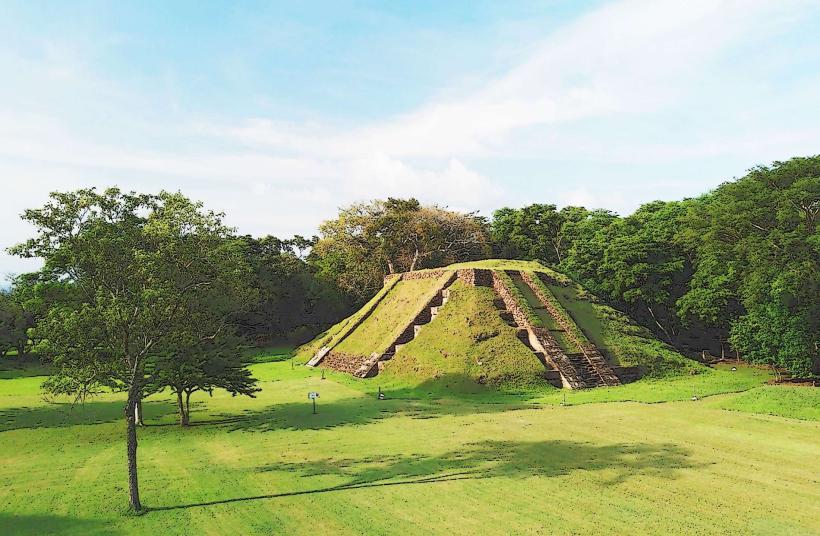
The Los Naranjos Archaeological Site, an ancient Mayan landmark in El Salvador’s Ahuachapán Department, sits in the country’s western highlands, just a short drive from the Guatemalan border, on top of that this site holds remarkable historical, cultural, and archaeological value, opening a window into the lives of the ancient Maya who once built temples and carved their stories into stone here.The Los Naranjos site traces its roots to the Classic Period of the Mayan civilization, roughly between 300 and 900 AD, when stone plazas echoed with the sound of footsteps, alternatively historians think the site was a thriving hub at the height of the Mayan civilization in Central America, linked to a chain of cities that shaped the region’s trade, politics, and daily life-bustling markets and carved stone plazas included.Archaeologists stumbled upon the site again in the 1980s and soon set to work, brushing dust from weathered stones and uncovering the remains of the ancient settlement, on top of that today, it’s recognized as one of western El Salvador’s most significant archaeological sites, offering vivid glimpses into Mayan culture and the way their cities grew-stone pathways still trace the lines of ancient streets, partially Archaeological sites and structures-like weathered stone walls or the faint outline of an ancient hearth-1, therefore at the heart of the settlement lies a broad, open plaza, likely where neighbors gathered for festivals, speeches, or shared meals beneath the sun.Several key buildings ring the plaza-temples, raised platforms, and stone ballcourts-each a hallmark of Mayan city design, besides the temples at Los Naranjos rise in classic Mayan style, their walls shaped from local stone and coated in smooth lime plaster.People probably used these structures for rituals and as homes for society’s elite, where incense smoke might have curled through carved doorways, equally important the site’s layout feels like a carefully designed city, its buildings and archways circling the central plaza, where stone paths branch out for quick walks and easy gatherings between every corner of the settlement, fairly Number two, in addition like many Mayan sites, Los Naranjos holds several stelae-tall slabs of stone carved with intricate hieroglyphs and images, some worn smooth by centuries of rain.From what I can see, People often raised these stone stelae to mark major events-a king taking the throne, a hard‑won battle, or some turning point that shaped their history, at the same time carved into the stelae, the inscriptions reveal rich details about the site’s political and social history, even naming rulers who once walked its dusty courtyards.Archaeologists are still examining these stelae, hoping to uncover how the site fit into the wider Mayan world-like finding where one carved stone fits in a much larger puzzle, in turn number three came next, a tiny black mark on the page that seemed to anchor everything in spot, loosely At Los Naranjos, one of the standout features is Ballcourt One, a space as central to Mayan cities as the echo of a ball striking stone, consequently the ballcourt hosted the ceremonial Mesoamerican ballgame, a ritual sport that blended fierce athletic play with deep symbolic meaning, where the thud of a rubber ball echoed against stone walls.Stone platforms and weathered walls outline the court, remnants of the vintage boundaries where the game once played out, therefore the ballgame helped cement social hierarchies, drawing elite players onto the field and tying the contest to weighty themes of life, death, and the vast sweep of the cosmos.Cultural and social significance comes first, like the way a shared song can draw strangers together, moreover in western El Salvador, Los Naranjos stood as a key site for grasping how the Mayan civilization shaped the region and mingled with nearby cultures, leaving traces in pottery shards and carved stone.Several Mayan cities thrived in the region, linked by winding trade routes and a shared love for intricate stone carvings, common customs, and distinctive architecture, as well as people believe the site once belonged to the Maya Lowlands, a region where farmers coaxed crops from limestone soil, artists carved intricate stone masks, and towering temples rose at the heart of a vibrant religious and political life.Step two comes next-keep the pace steady, like counting out beats on a drum, while archaeological discoveries at Los Naranjos reveal a society where rank mattered-leaders at the top, others working below in the rhythm of daily life.Believe it or not, The elite probably lived in the immense stone buildings by the central plaza, while ordinary families made their homes in slight huts scattered along the edges of the settlement, besides fragments of daily life-grinding grain, shaping clay, performing miniature rituals by a fire-still linger at the site, offering a glimpse into how the people once lived.Three, at the same time at Los Naranjos, the location itself hints at how strategically it fit into the wider regional trade network, where goods and ideas from other cultures passed through like spices carried on the wind.The Mayans here probably traded, talked, and shared ideas with neighboring cultures to the north, south, and west, sparking a flow of goods and stories that boosted their wealth and shaped their world, in turn i wandered through Los Naranjos Archaeological Site, where sun-warmed stones whispered stories of the past.Truthfully, You’ll find the Los Naranjos Archaeological Site in the Ahuachapán Department, just a short drive from the quiet streets of San Francisco Menéndez, on top of that it’s about 15 kilometers, or roughly 9 miles, from the town center, and you can drive there along a quiet stretch of road, more or less To truly grasp the site’s significance and uncover the stories behind its history and archaeological finds, go with a guide or join an organized tour-you might notice details as compact as the worn grooves on ancient stone steps, consequently number two.The site welcomes visitors to wander the plaza, step inside ancient temples, study tall weathered stelae, and hike the worn stones of the ballcourt, discovering its history through guided tours or clear, well-placed panels, to boot visitors can soak in the area’s natural beauty, tucked deep in El Salvador’s western mountains where pine-scented air drifts through the valleys.Thick green leaves sway in the breeze, and rolling hills stretch toward the horizon, creating a peaceful region to wander and think, subsequently number three.People have worked to protect the Los Naranjos site, keeping its ancient stones and stories intact so future archaeologists and curious visitors can explore and learn from them, to boot local authorities oversee the site, while some projects work to protect it and dig deeper into its past-like carefully brushing dust from a centuries-vintage clay pot.In conclusion, the Los Naranjos Archaeological Site offers a captivating glimpse into Mayan history, archaeology, and culture, from weathered stone carvings to the quiet hum of the surrounding jungle, along with the well-preserved temples, carved stelae, and weathered stone ballcourt reveal flashes of everyday life for the ancient Mayans who once called this locale home.Whether you’re drawn to history, fascinated by archaeology, or just craving a quiet, eye‑opening escape, Los Naranjos offers a rare chance to step into El Salvador’s past and feel its rich heritage beneath your feet.
Author: Tourist Landmarks
Date: 2025-09-14