Information
Landmark: Mara RiverCity: Narok
Country: Kenya
Continent: Africa
Mara River, Narok, Kenya, Africa
The Mara River is one of the most significant and iconic rivers in East Africa, especially in the context of the Maasai Mara ecosystem. Here’s a detailed look at the river and its importance:
Geography and Flow of the Mara River
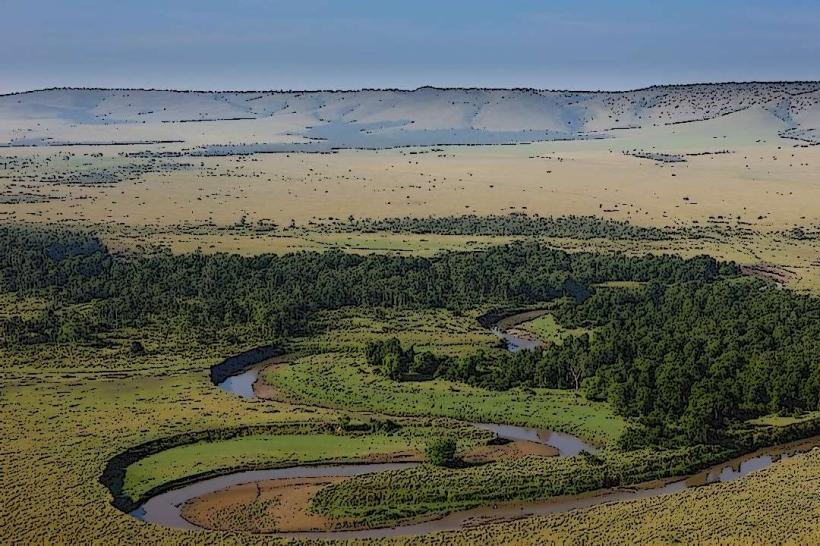
Source and Course: The Mara River originates from the Mau Escarpment in Kenya, which is located to the north of the Maasai Mara. It flows southward, running through the Maasai Mara National Reserve, and continues into Tanzania, ultimately joining the Serengeti ecosystem. It covers a distance of approximately 395 kilometers (about 245 miles).
Tributaries: Several smaller rivers and streams feed into the Mara River, the most significant being the Talek River, which also flows through the Maasai Mara National Reserve.
Basin and Ecosystem: The Mara River forms a vital part of the Mara-Serengeti ecosystem, a region that spans both Kenya and Tanzania. The river’s basin is home to a rich diversity of flora and fauna, providing water for animals and supporting plant life that in turn sustains herbivores and predators alike.
Wildlife and Importance
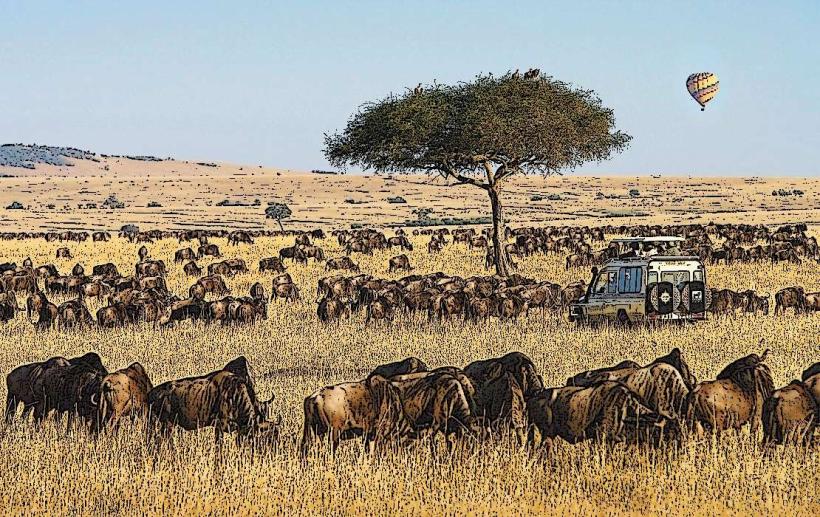
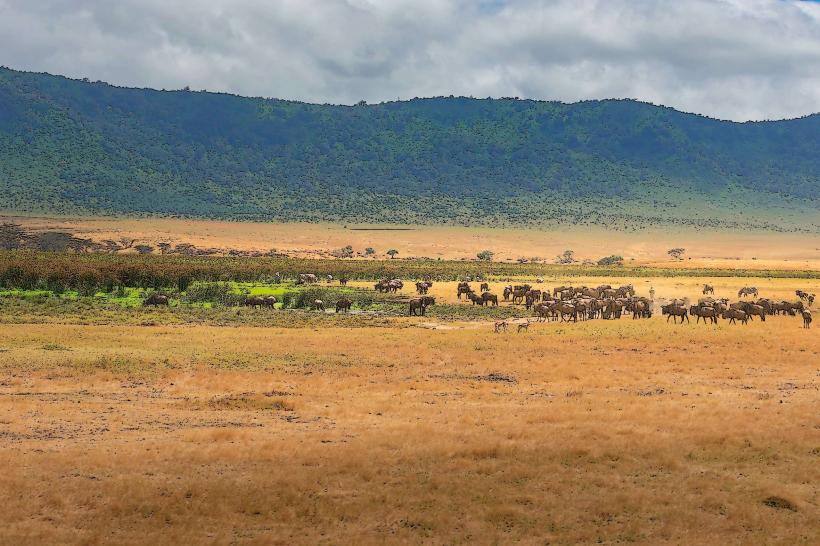
The Great Migration: One of the most dramatic events associated with the Mara River is the Great Wildebeest Migration. Every year, millions of wildebeests, along with zebras and gazelles, travel across the plains of the Serengeti in Tanzania and into the Maasai Mara in Kenya. The Mara River is one of the key obstacles they must cross during this migration. The river is not only a source of water but also a perilous barrier where thousands of animals face danger from crocodiles and strong currents. The crossings are often captured in stunning wildlife photography, symbolizing the raw power of nature.
Crocodiles and Hippos: The Mara River is home to large populations of Nile crocodiles, which prey on the migrating animals. The river also hosts large groups of hippopotamuses, which are often seen lounging in the river’s deeper pools, a key part of the river's ecosystem.
Flora and Fauna: The riverbanks are often lined with lush vegetation, providing an important habitat for a range of species, including birds, amphibians, and other smaller animals. The surrounding landscape is also home to a variety of trees, such as acacias, that provide food and shelter for the wildlife.
Environmental and Ecological Challenges
Water Flow and Ecosystem Changes: Over the years, the Mara River has faced environmental pressures, mainly due to human activities in the surrounding areas. Deforestation, agriculture, and overgrazing in the Mau Escarpment and upper catchment areas can affect the water quality and flow of the river, which in turn impacts the wildlife that depends on it.
Conservation Efforts: There have been various initiatives aimed at conserving the river and its surrounding ecosystems, such as sustainable land use practices in the Mau Forest, water conservation efforts, and the involvement of local communities in protecting the Mara River’s health.
Cultural and Tourism Significance
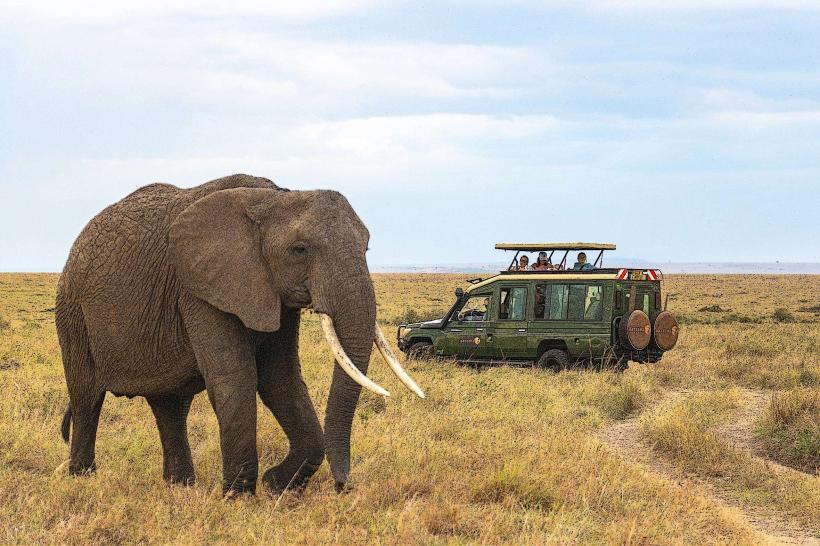
Tourism: The Mara River is a key attraction for tourists visiting the Maasai Mara. Game drives along the river offer the opportunity to view wildlife, including the iconic river crossings during the migration. Visitors also take boat rides on the river to spot hippos and crocodiles. The river's natural beauty and the drama of the migration make it a popular spot for photographers and wildlife enthusiasts.
Maasai Culture: The Mara River is also important in Maasai culture. The Maasai people, who are the traditional stewards of the land, have lived around the river for centuries, and it plays a significant role in their pastoralist lifestyle. Water from the river is essential for both wildlife and domestic animals, including cattle.
Conclusion
The Mara River is not just a geographical feature-it is the lifeblood of the Maasai Mara ecosystem. Its role in supporting wildlife, particularly during the Great Migration, and its cultural importance to the Maasai people, makes it a focal point of both ecological and tourism interests in the region. However, it is vital that efforts to protect the river's health continue, as its well-being is directly tied to the sustainability of the region’s natural heritage.