Information
Landmark: Mercado de CastroCity: Chiloe
Country: Chile
Continent: South America
Mercado de Castro, Chiloe, Chile, South America
Overview
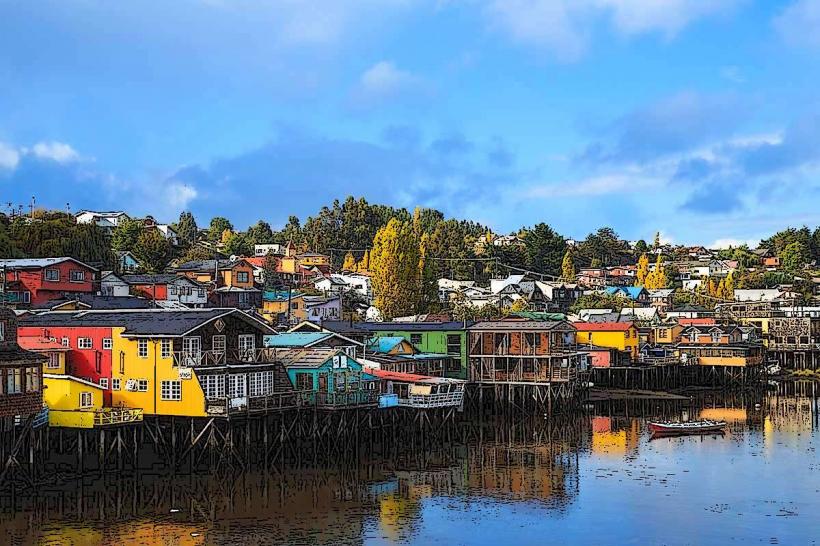
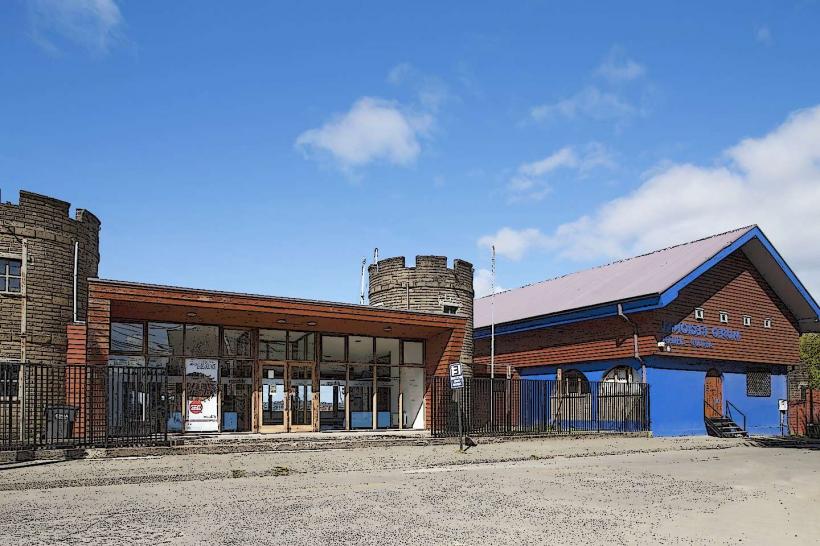
To be honest, Mercado de Castro, set in Chiloé Island’s bustling capital, hums with the scent of fresh seafood and the chatter of vendors, making it one of the island’s most vibrant and beloved landmarks, in turn the market hums with energy, offering a rare scan at the region’s flavors, handmade goods, and vibrant culture, from sizzling street food to colorful woven baskets.Interestingly, The market’s best known for its just-picked vegetables, glistening fish on ice, and handmade goods that capture the island’s farming roots and seafaring spirit, equally important first.The Mercado de Castro sits right in the heart of town, just a quick drive or bus ride from other communities on Isla Grande de Chiloé, with streets that smell faintly of sea air, in addition castro sits on the island’s central coast, and its market rests by the waterfront, where visitors can glance out over the glittering bay and the rolling green hills beyond.Not surprisingly, From the Castro bus terminal, you can reach the market in just a few minutes-whether you roam past the bakery’s warm bread scent or drive-and it’s at the heart of the town’s culture and commerce, meanwhile number two, under certain circumstances The Mercado de Castro’s story stretches back to 1912, when builders first raised its brick walls and iron-framed roof, in addition first built to serve the growing town of Castro, it soon became the heart of trade, where fresh-caught fish glistened on wooden tables beside baskets of ripe fruit, vegetables, and handmade crafts.The market’s design stands out for its Chilote-style wooden frame, built from local timber beams and sturdy metal trusses that still smell faintly of fresh-cut wood, therefore it’s a standout example of traditional Chilote style, where sturdy local timber meets a design meant to weather wind and rain, somewhat Number three sat scrawled in blue ink across the page, furthermore at Mercado de Castro, expect a whirlwind of sights, sounds, and scents-the shouts of vendors calling out prices, the smoky aroma of grilled fish drifting through the air, baskets piled high with ripe mangoes, and the steady hum of island life weaving it all together, to some extent As it happens, Locals and visitors gather here to feel the pulse of Chilote culture, from the smell of fresh curanto to the sound of guitars drifting through the air, equally important one of the biggest reasons people flock to Mercado de Castro is for its fresh seafood-gleaming fish and plump shellfish hauled in from the nearby waters-along with an array of local delicacies, kind of You’ll spot everything from briny mussels and sweet shellfish to glistening salmon, lively trout, and even spiny sea urchins, besides locos-tender Chilean sea clams-and the firm, pale-pink flesh of congrio, or conger eel, often take center stage in traditional Chilote dishes.At the market, you’ll find plenty of stalls serving ready-to-feast Chilote classics-maybe a steaming curanto, its layers of mussels, pork, potatoes, and vegetables pulled from a smoky pit; a rich paila marina brimming with clams, mussels, and fish; or golden Chilote empanadas stuffed with seafood or meat, subsequently it’s one of the best places to dive into the true flavors of Chiloé, with tiny kitchens dishing them up fresh.b) Fresh Produce Alongside its seafood, Mercado de Castro sells an array of crisp, locally grown fruits and vegetables, from sun-warmed tomatoes to leafy greens just pulled from the earth.Chiloé’s rich soil yields plenty, and at the market you’ll spot baskets of crisp apples, ripe pears, and radiant berries alongside earthy potatoes, sweet carrots, and pungent onions, in turn chiloé is famous for its many kinds of potatoes, and the market bursts with baskets of these earthy, freshly dug tubers waiting to be discovered.c) Local Handicrafts
Next to the sizzling food stalls, Mercado de Castro also hosts vendors selling handmade pottery, woven baskets, and other artisan goods.As it turns out, You’ll find carved wooden figures, smooth bowls, and sturdy spoons made from local woods like alerce; richly woven blankets, scarves, and ponchos spun from the wool of Chilote sheep; and handmade jewelry crafted from wood, seeds, and shells-all offering visitors a tangible piece of Chilote culture to bring home, consequently number four.Visiting Mercado de Castro isn’t just about picking up goods-it’s stepping into a lively swirl of music, chatter, and the smell of fresh bread, after that the market buzzes as the island’s people gather, trading fresh bread, swapping stories, and sharing the latest news-it’s the heart of the community.At the market, you catch a slice of Chilote life-vendors calling out prices over piles of fresh potatoes, while neighbors pause to swap news and share a laugh, while the island hums with warmth, its lively streets and familiar greetings showing the strength of its community and the traditions that shape daily life.Number five, alternatively the Mercado de Castro comes alive with cultural events and festivals all year, especially on national holidays and during local celebrations, when the air fills with music and the scent of fresh street food.I think, At these events, you might hear the steady beat of a drum, watch dancers spin in luminous skirts, and taste seafood stew fresh from the pot, all offering visitors a richer glimpse into Chilote culture, what’s more every summer, Castro comes alive for the Feria Costumbrista de Castro, one of its most cherished festivals, where you can taste fresh empanadas, watch swirling traditional dances, and hear the lilting notes of Chilote music, in a sense At the heart of the event, the market buzzes with life, offering colorful stalls and lively activities for locals and travelers alike, along with number six.Mercado de Castro stays open all year, but summer-December through March-is when the air turns warm, the stalls overflow with fresh produce, and the crowds bring the region to life, along with these months bring an abundance of fresh produce and seafood-think baskets of ripe peaches alongside gleaming silver fish-and the setting buzzes with tourists and locals alike.Seven, in turn the Mercado de Castro isn’t just a setting to shop-it’s the beating heart of Chilote culture, where you can taste steaming bowls of curanto, browse one-of-a-kind handmade crafts, and soak in the island’s vibrant, bustling energy.Whether you’re craving just-caught mussels, hunting for handmade wool hats, or soaking in the chatter and sea-salt air, this historic market is a stop you can’t miss when visiting the Chiloé Archipelago.
Author: Tourist Landmarks
Date: 2025-09-13