Information
Landmark: Monastery of St. AthanasiusCity: Tetovo
Country: North Macedonia
Continent: Europe
Monastery of St. Athanasius, Tetovo, North Macedonia, Europe
Overview
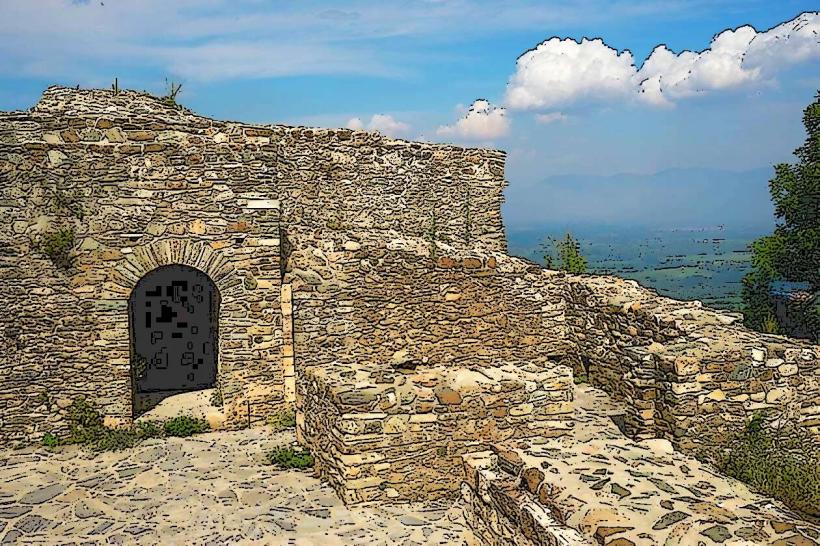
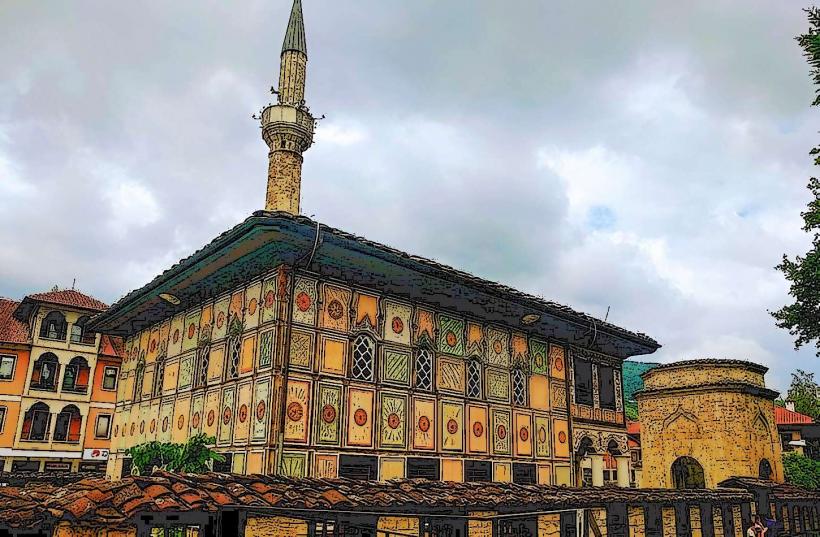
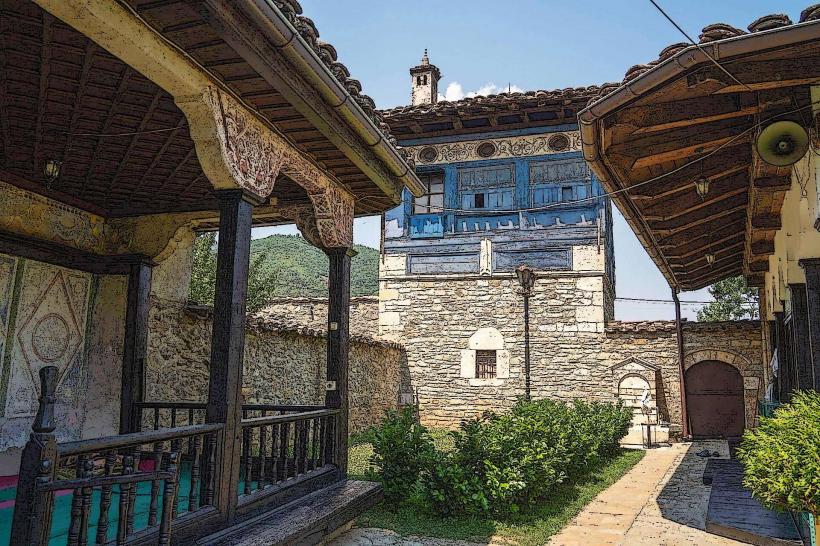
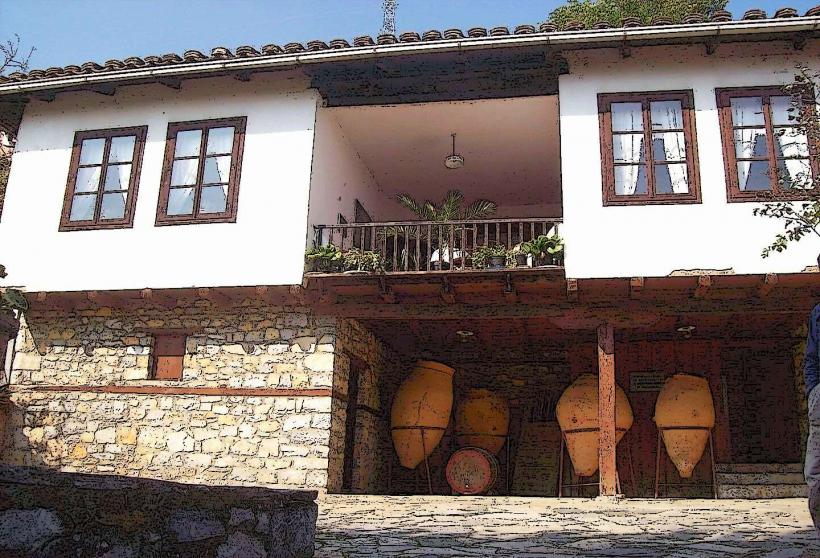
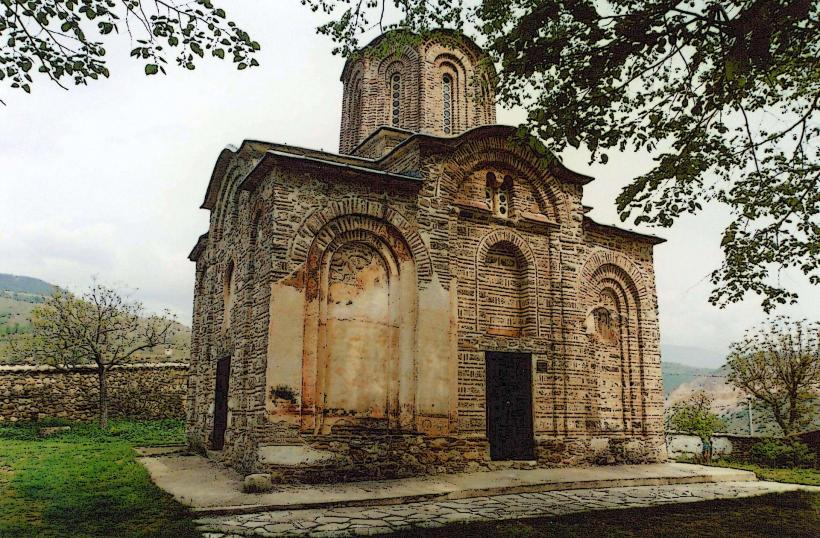
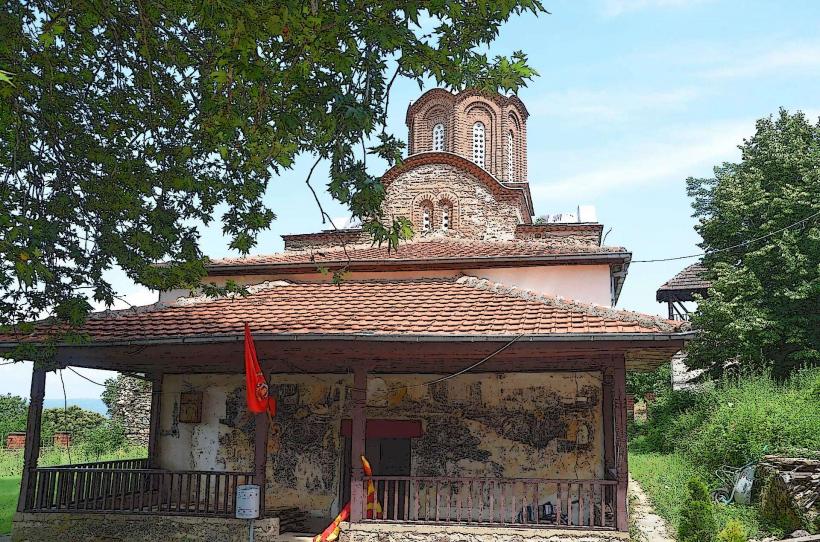
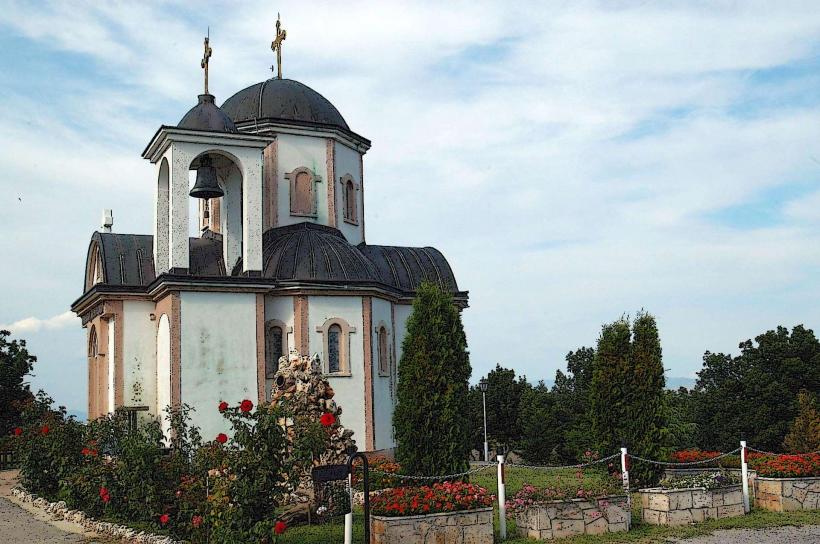
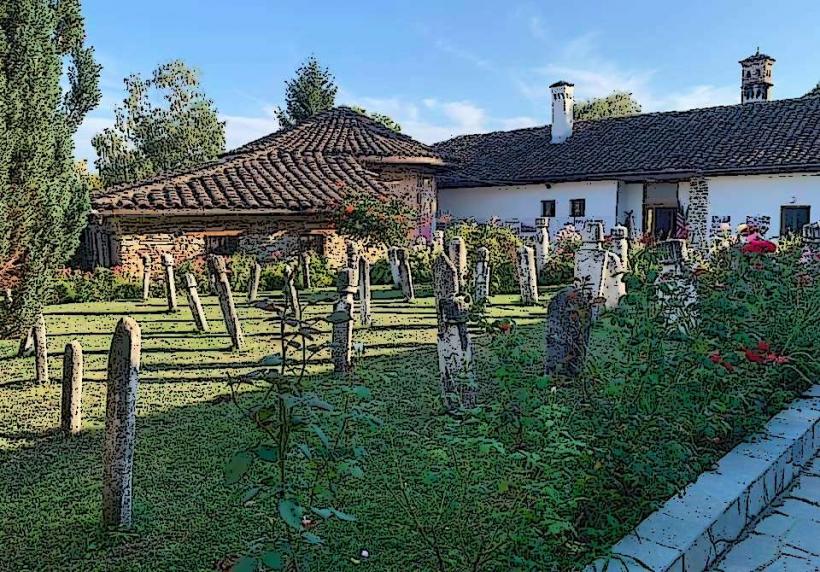
I think, The Monastery of St, furthermore athanasius (Macedonian: Манастир Свети Атанасиј) stands near Tetovo in northwestern North Macedonia, a revered Eastern Orthodox site where white stone walls catch the afternoon sun.Tucked away from the usual tourist trail, the monastery holds a quiet but significant locale in history, its roots stretching deep into the medieval and Ottoman eras, subsequently the Monastery of St. Athanasius sits about 15 kilometers (9 miles) from Tetovo, tucked into a quiet countryside where pine-scented air drifts down from the surrounding mountains, not only that just outside the village of Jelovjane, on the mountain range’s quiet southwestern slope, stands a monastery dedicated to Saint Athanasius, the early Christian bishop, theologian, and church leader.Saint Athanasius earned renown for opposing Arianism and shaping the doctrine of the Trinity, and the Monastery bearing his name-its founding date uncertain but likely in the 14th century, when monastic life thrived in the Balkans-stood for centuries as a vibrant spiritual and cultural hub through both Byzantine splendor and the long Ottoman twilight, as well as it served as a center for worship, study, and keeping traditions alive, shaping the Christian heritage of the region.Under Ottoman rule, many Orthodox monasteries faded under strict religious policies, though a few endured, their bells still ringing across the hills, on top of that the Monastery of St. Athanasius is one of the rare monasteries that kept its spiritual importance during this time, holding swift to Orthodox traditions through centuries of Ottoman rule, even as many Christian communities struggled, moreover in the modern era, it was carefully renovated, its stone walls cleaned and repaired, especially after North Macedonia gained independence in the 1990s.Pilgrims and tourists alike flock here to soak in the region’s deep history and quiet, spiritual air, as a result the monastery stands as a proud emblem of the Eastern Orthodox faith, hosting church services, festivals, and other sacred gatherings.At its heart rises the Church of St, while athanasius, a textbook example of Byzantine design, its domes and arches echoing those of countless Orthodox sanctuaries.It seems, The design is simple yet graceful, crowned by a broad dome and arches in the style of its time, consequently step inside, and you’ll perceive rich iconography, vivid frescoes, and artwork portraying scenes from St. Athanasius’s life alongside other key figures of the Orthodox faith, also the icons glow in the rich, vivid colors of the Byzantine tradition, each brushstroke packed with intricate detail, more or less The monastery itself holds a cluster of buildings-quiet monastic cells, a warm refectory where meals are shared, and a tall bell tower that catches the light, alternatively enclosed by sturdy walls, the complex offers a calm haven for prayer and quiet thought.Its stone buildings keep a timeless, rustic charm that melts into the trees and hills around it, and in the monastery’s courtyard, the stillness feels almost tangible, like the cool shade under an vintage oak.As it turns out, From here, the Monastery of St, in turn athanasius looks out over rolling mountains, deep forests, and clear, winding streams.The area’s wild hills and quiet streams create a peaceful, reflective mood that draws both pilgrims and nature lovers, while the monastery still stands as a vital center of Eastern Orthodox Christianity in the region, consequently pilgrims come here for regular church services, liturgy, and special religious gatherings, drawn by the hope of spiritual renewal and a deeper bond with their faith; the monastery fills with visitors during major holy days, especially on January 18, when Orthodox Christians honor St. Athanasius, and it stands not only as a sacred region but as a treasured piece of cultural heritage, furthermore the monastery holds treasured religious artifacts-icons painted in deep gold, ancient manuscripts, and liturgical vessels-that are central to the Orthodox Christian tradition and the region’s history.Its library and archives offer rare insight into the area’s religious and cultural past, in addition pilgrims tour here to honor St. Athanasius and to feel the quiet, steady calm that lingers in its stone courtyards, what’s more it draws tourists eager to explore North Macedonia’s deep Christian roots and centuries-antique monastic traditions, and the quiet, pine-scented hills around the monastery make it a favorite escape from daily noise.As you can see, Pilgrims who come here often kneel in the church to pray, then wander the tranquil grounds in reflection, besides some visitors arrive seeking spiritual guidance, while others come to honor St, more or less It seems, Athanasius and join the monastery’s sacred services, besides for travelers, it’s a rare chance to wander through an authentic Orthodox monastery, its whitewashed walls tucked into a quiet, pine-scented hillside.Actually, Visitors can wander beneath graceful stone arches, pause before centuries-timeworn icons, and soak in the hush that invites reflection, besides here, the monastery offers a chance to connect with local traditions and discover how Eastern Orthodoxy shaped the region’s past.The Monastery of St, furthermore athanasius stands as a profound spiritual, historical, and cultural landmark just outside Tetovo, North Macedonia.Rooted in the medieval period and carefully preserved through the Ottoman era, it stands as a testament to the community’s resilience-like weathered stone that still holds the warmth of the afternoon sun, equally important the monastery still hums with daily worship and stands as a striking example of Byzantine design, its walls alive with vivid frescoes, gleaming icons, and enduring traditions that draw visitors seeking both faith and history.Tucked high in the quiet mountains, the monastery offers a calm retreat where you can breathe in the pine-scented air and reflect on the region’s deep-rooted religious traditions.
Author: Tourist Landmarks
Date: 2025-09-02