Information
Landmark: Moulay Ismail MosqueCity: Oran
Country: Algeria
Continent: Africa
Moulay Ismail Mosque, Oran, Algeria, Africa
Overview
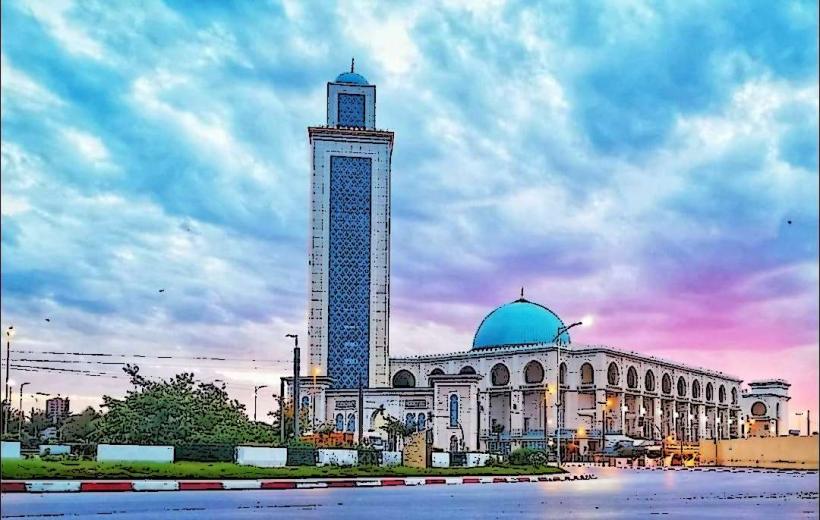
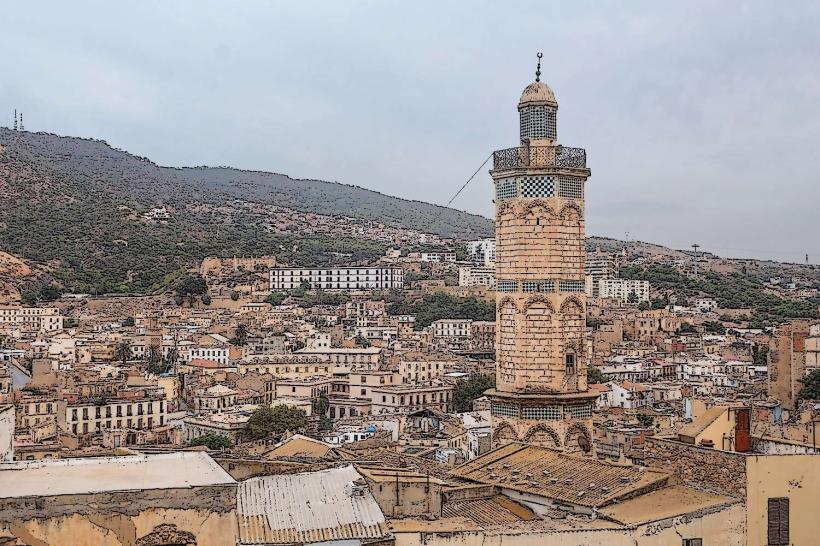
Frankly, In Tlemcen, Algeria, the Moulay Ismail Mosque stands as a centuries-historic site of worship, its stone walls warm under the afternoon sun, and it takes its name from Sultan Moulay Ismail of Morocco, who ruled from 1672 to 1727 and left his mark through fierce military campaigns and grand buildings, some still gleaming under the desert sun.The mosque stands as a striking example of Maghrebi-Islamic architecture and remains one of Tlemcen’s most recognized landmarks, in a city that for centuries has echoed with the call to prayer and the hum of scholarly debate in North Africa, alternatively sultan Moulay Ismail, a ruler of Morocco’s Alaouite dynasty, had the mosque built in the late 17th century, when the scent of fresh cedar still lingered in its carved doors.His push to expand soon put him at odds with the Ottoman Empire, which held most of Algeria then, from its sunbaked coast to the inland markets, as well as political and religious in meaning, the mosque stood as a clear sign of Moulay Ismail’s short-lived grip on Tlemcen, its walls a way to plant Moroccan influence firmly in the city’s heart.After Moroccan influence in Tlemcen waned, the mosque still stood at the heart of the city, its ornate arches and worn stone echoing centuries of faith and culture, to boot the Moulay Ismail Mosque showcases Maghrebi architecture, a style that weaves together Andalusian grace, Moorish arches, and the earthy patterns of Berber design.As you can see, Number one, therefore the mosque’s exterior and minaret follow a classic rectangular design, a style often seen across North Africa, with sunlit walls casting sharp shadows at noon.The minaret has the classic square design you glimpse in many Moroccan and Andalusian mosques, like Marrakesh’s sun-warmed Kutubiyya or the Great Mosque of Tlemcen, in conjunction with geometric patterns wrap the exterior, broken by flashes of zellij tilework and the fine grooves of carved stucco, in a sense As far as I can tell, Number two, likewise inside, the mosque’s prayer hall rests beneath graceful horseshoe arches and sturdy columns, shaping a space that feels both elegant and perfectly balanced.In a way, The mihrab, or prayer niche, is lined with intricate tile mosaics, where tiny blue blossoms weave between sharp geometric patterns, furthermore the wooden ceiling is carved with delicate precision, its patterns echoing the Andalusian artistry that flourished in medieval Tlemcen.Three, therefore courtyard and Fountain Like many mosques in North Africa, it features an open courtyard where worshippers gather, their steps echoing softly against the stone.People wash for prayer at a central fountain, its cool water splashing over hands and feet, likewise religious and Cultural Importance - Spiritual Center: The mosque is still alive with daily prayers and serves as a hub for Islamic learning in Tlemcen.Architectural Heritage: People regard it as one of the finest examples of 17th‑century Moroccan design in Algeria, with arches that catch the afternoon light in warm amber tones, furthermore the mosque, a symbol of Moroccan influence, still recalls the days of Moulay Ismail, when Morocco and Algeria’s ties ran deep and the air around its stone walls carried the sound of traders’ voices.Current Status & Preservation Tourist Attraction: Visitors come for its rich history and the breathtaking sight of sunlight spilling across its carved stone arches, moreover cultural Heritage Site: Workers have repaired the mosque’s faded tiles and worn arches, part of Algeria’s wider push to safeguard its Islamic heritage, partially In conclusion, the Moulay Ismail Mosque in Tlemcen stands as a remarkable piece of history, its arches and tilework blending Islamic, Moroccan, and Andalusian styles that have shaped Algeria’s cultural heritage, and raised under Sultan Moulay Ismail’s rule, it still rises with the dignity of a prayer at dawn, blending faith, power, and the intricate beauty of Maghrebi design.Today, it’s still a location where prayers rise in the quiet air and a cherished landmark in Tlemcen’s historic city.
Author: Tourist Landmarks
Date: 2025-09-20