Information
Landmark: Mountain of the DeadCity: Siwa Oasis
Country: Egypt
Continent: Africa
Mountain of the Dead, Siwa Oasis, Egypt, Africa
Overview
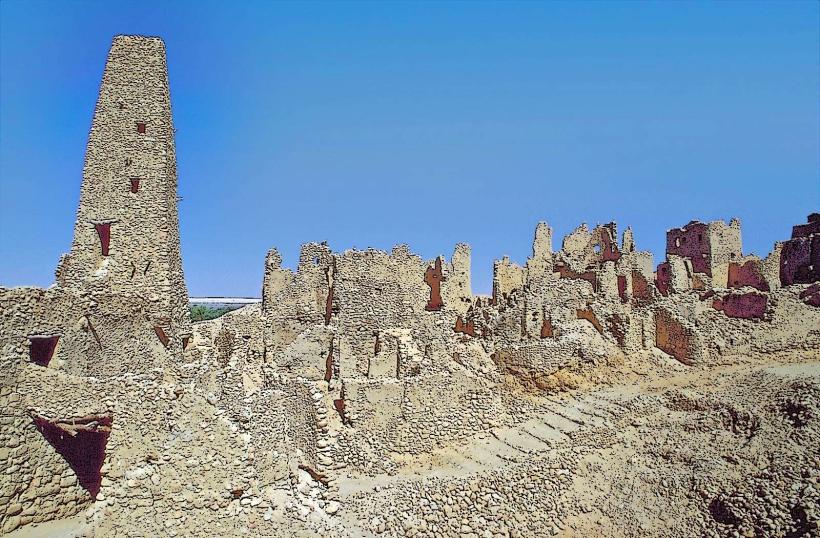
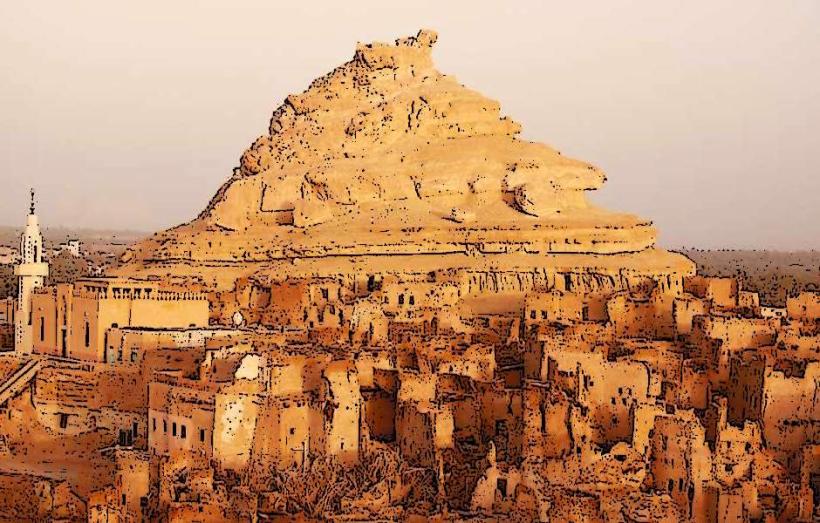
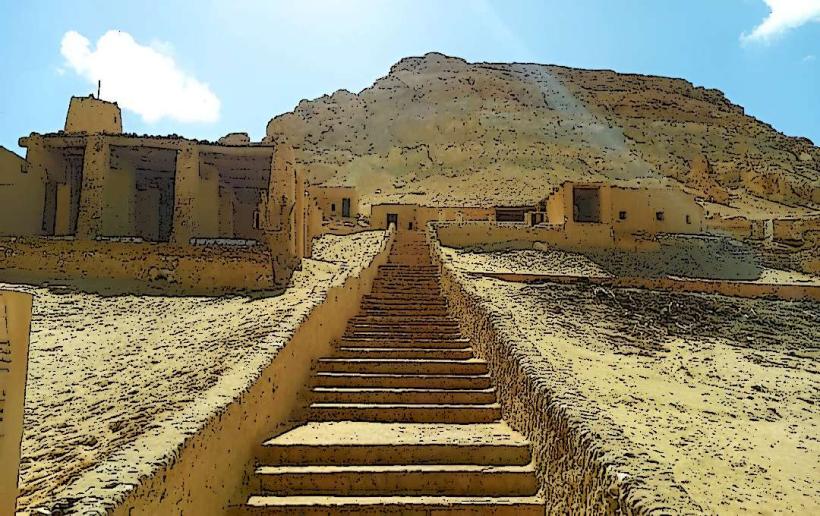
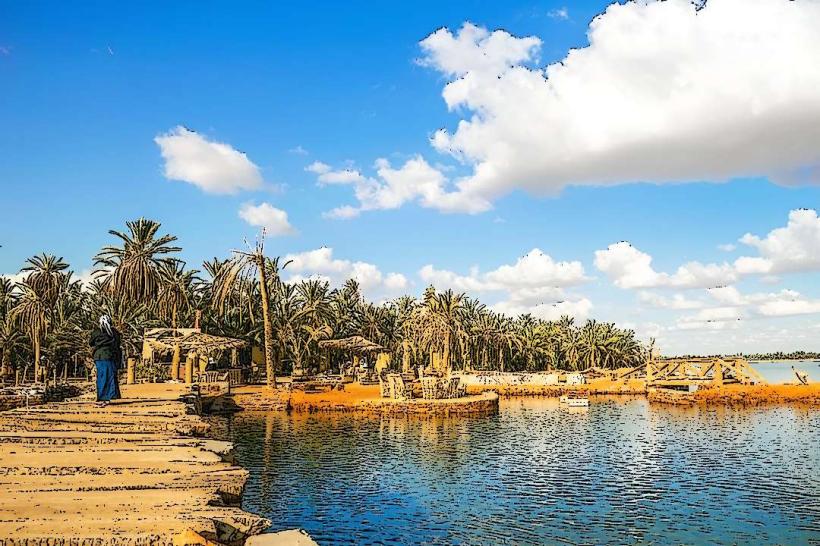
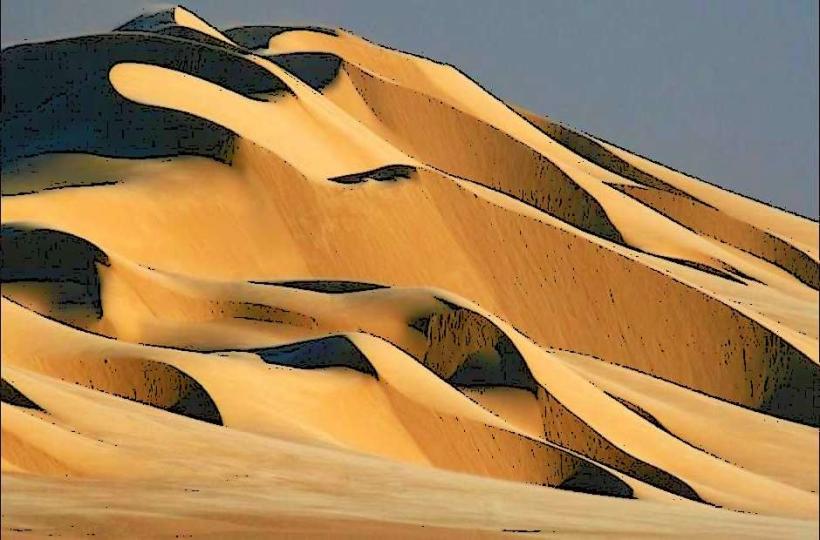
The Mountain of the Dead, or Jebel al-Mawta in Arabic, rises near Egypt’s Siwa Oasis, its sun-bleached tombs marking one of the Western Desert’s most significant archaeological sites, in conjunction with rising above the valley, this mountain holds a sprawling necropolis where ancient graves lie in sun-bleached stone, drawing attention for its rare burial sites and deep historical importance.Just so you know, They call it the “Mountain of the Dead” for the countless tombs and stone-cut burial chambers etched into its slope, used for centuries by the Siwan people and even earlier settlers, likewise one.The Mountain of the Dead rises just outside the town of Siwa, in the lush Siwa Oasis, lying southwest of the vast, golden expanse of the Great Sand Sea, then perched at the desert’s edge, the site can be spotted from across the oasis, its pale walls catching the sun.The mountain towers over the land, giving you sweeping views of the oasis-a flash of green amid the sun-baked earth-and everything that stretches beyond it, on top of that number two stood out in bold black ink.The Mountain of the Dead is best known for its ancient tombs and shadowy burial chambers, used by countless civilizations over the centuries, after that these tombs go back to pre-Islamic times, most of them carved into the rock during the Ptolemaic era (around the 4th to 1st century BCE) and later under Roman rule (1st century BCE to 3rd century CE).The tombs at the Mountain of the Dead likely served both the local Siwan people and foreign settlers, from Greeks carving crisp letters into stone to Romans who once walked Egypt’s dusty streets, not only that they were laid to rest in tombs that combined Egyptian grandeur, Greek elegance, and Roman ritual, the stone walls still bearing faded carvings of gods and heroes.Funerary Practices: Craftsmen carved the tombs straight into the mountain’s rock face, their chisel marks still faintly visible, and that solid stone has kept them intact for centuries, to boot ancient Siwan burial rites blended Egyptian and Berber traditions, with many tombs painted in vivid frescoes, carved with inscriptions, and filled with objects meant to serve the dead beyond the grave.Number three, as well as at the Mountain of the Dead, tombs and burial chambers range from modest, plain rooms to elaborate spaces, with the grandest ones cut straight into the mountain’s sheer rock face, almost Many of the tombs are carved straight into the rock, their low doorways opening to tight, dim passageways that lead into quiet burial chambers, therefore inside, you’ll often find slight niches for the dead, each with room for offerings-a faded photo, a sprig of dried flowers.The tombs range from plain resting places-a single stone slab over the earth-to intricate chambers carved deep into the rock, therefore at the Mountain of the Dead, some tombs glow with vivid frescoes-sparkling blues and reds-showing daily life, sacred gods, and ancient rituals.These frescoes pull back the curtain on the faith and traditions of the tombs’ keepers, from the gods they honored to the colors they chose to paint their walls, after that alongside the artwork, researchers uncovered inscriptions in ancient Egyptian, Greek, and demotic script, like delicate lines carved into stone, offering a glimpse into the lives of those who once lived and were laid to rest there.Mummification and Burial Objects: The tombs may still stand, but over the centuries looters have carried off countless treasures and even the mummies themselves, leaving only dust where gold once lay, along with archaeologists have uncovered ceramic vessels, carved statues, and ritual objects at the site, offering a glimpse into the funerary rites and culture of the era-like the faint scent of incense still clinging to a clay urn.Number four stood alone, a tiny dim mark on the page, equally important the Mountain of the Dead was the burial ground for those who once lived in the Siwa Oasis, its tombs preserving traces of ancient Egyptian rites, local Berber traditions, and the carved echoes of Greek and Roman influence.From what I can see, Some tombs bear carvings of gods like Osiris and Anubis, their figures etched deep into the stone, showing how strongly Egyptian religion still shaped life then, furthermore the Mountain of the Dead rises close to the famed Oracle of Amun in the Siwa Oasis, a nearness that hints the site once carried deep spiritual weight and religious meaning during the Ptolemaic and Roman eras, perhaps as incense curled in the desert air.Countless people were likely laid to rest here, hoping to stay close to Amun’s divine presence, as if his power lingered in the warm, sunlit stones, also rooted in their Berber heritage, the Siwan people held distinct beliefs about the afterlife-rituals and stories that may have been shaped by both Egyptian customs and Mediterranean influences, like the soft echo of prayers carried on desert winds.At the Mountain of the Dead, burial customs reveal a rare mix of traditions, from carved stone markers to offerings tucked beside the graves, meanwhile five.Mind you, The View from the Mountain: Beyond its archaeological significance, the Mountain of the Dead offers a breathtaking panorama-sunlit dunes stretching to the horizon-that ranks among the site’s most unforgettable sights, while from the mountain’s peak, you can observe the Siwa Oasis spread out below, the desert stretching beyond it, and pale sand dunes shimmering on the horizon.In the still desert air, where sand whispers around ancient tombs, visitors feel a deep sense of awe, making it a spot worth exploring and pausing to reflect, then number six sits alone, sharp and curved like a hook.You can reach the Mountain of the Dead by 4x4 from Siwa, bumping over sandy tracks, and it’s usually included in guided tours around the Siwa Oasis, as well as visitors can wander through the ancient tombs, pause to breathe in the crisp air over rolling hills, and uncover the stories that shaped the site’s past.Visiting the tombs is allowed, and you can wander through their ancient corridors and the desert paths outside, but some burial chambers stay locked to protect the site’s fragile stonework, as well as many visitors pair a trip to the Mountain of the Dead with other remarkable spots in Siwa, like the sun-baked Temple of Amun, the palm-fringed Fatnas Island, and the weathered walls of the Shali Fortress.In Siwa, visitors wander among crumbling ruins, take in the sweep of desert palms, and soak up the oasis’s one‑of‑a‑kind traditions, along with seven.Like many ancient sites, the Mountain of the Dead struggles to stay intact, its weathered stone steps worn thinner each year by curious visitors, in addition the tombs have endured for centuries, protected by their remote location and carved into solid rock, yet wind, drifting sand, and sudden rain have slowly worn their surfaces away, slightly often People are working to protect the site, but looters still pry at its stones and wind and rain keep wearing it down, also the Mountain of the Dead rises from the heart of the Siwa Oasis, a region steeped in history and layered with stories.This burial site holds layers of history, where Egyptian carvings meet Greek columns and Berber patterns, offering a vivid glimpse into the funerary rites and rich traditions of long ago, consequently with its rock-cut tombs, sweeping desert vistas, and deep archaeological roots, the Mountain of the Dead draws you in-sunlight glinting off ancient stone-rich in history and mystery., loosely
Author: Tourist Landmarks
Date: 2025-09-20