Information
Landmark: Múlagljúfur CanyonCity: Westfjords
Country: Iceland
Continent: Europe
Múlagljúfur Canyon, Westfjords, Iceland, Europe
Overview
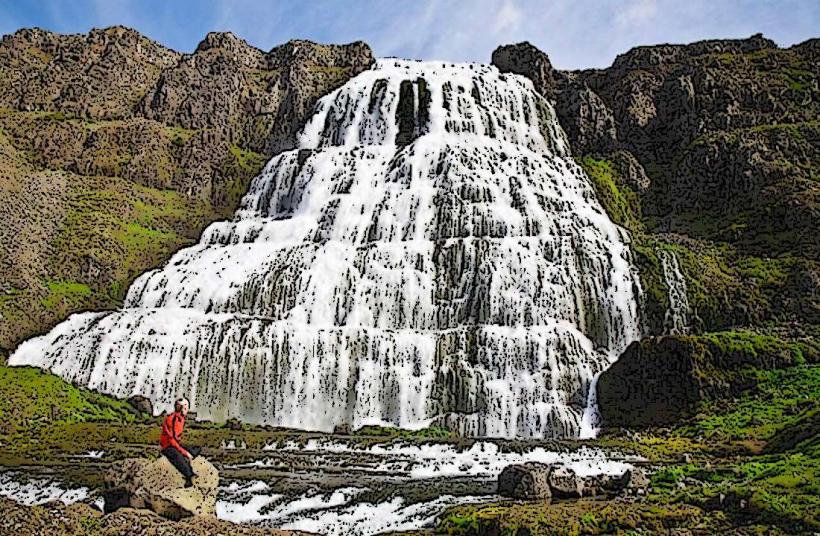
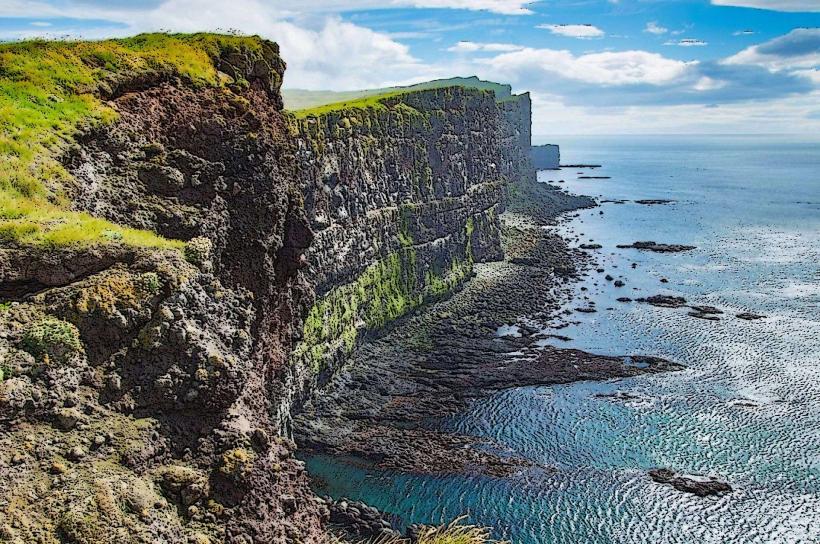
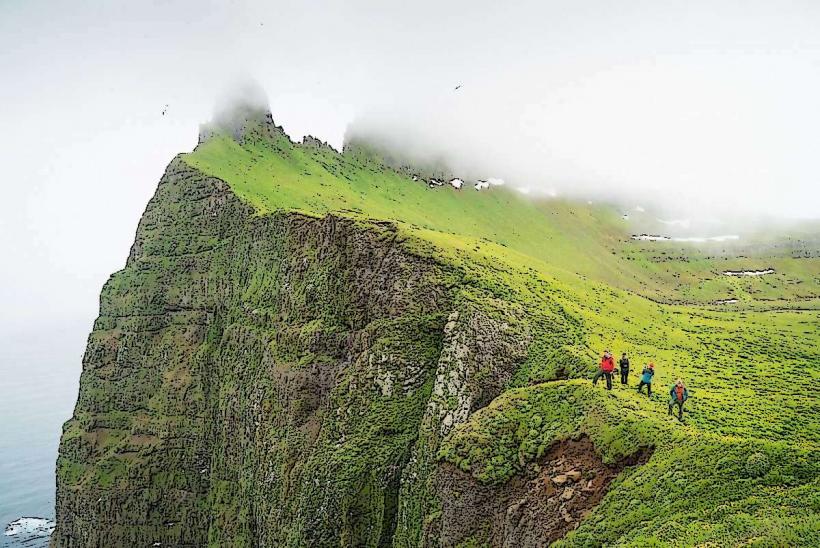
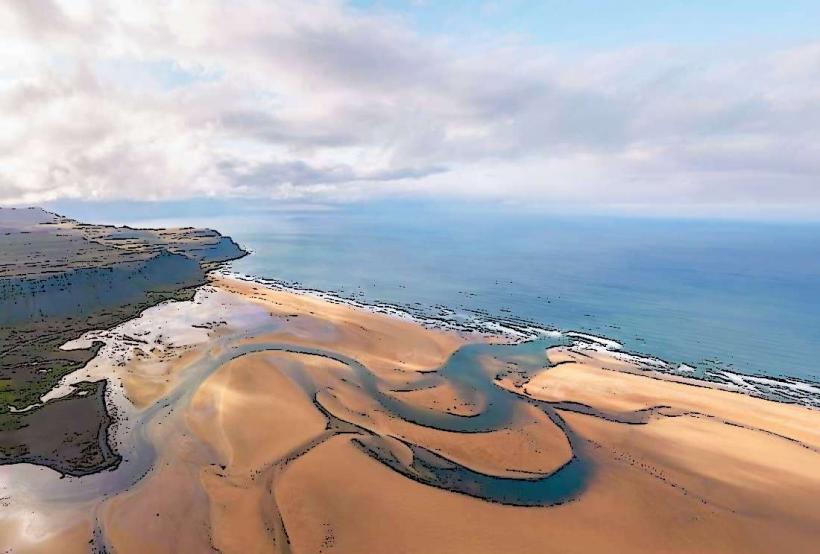
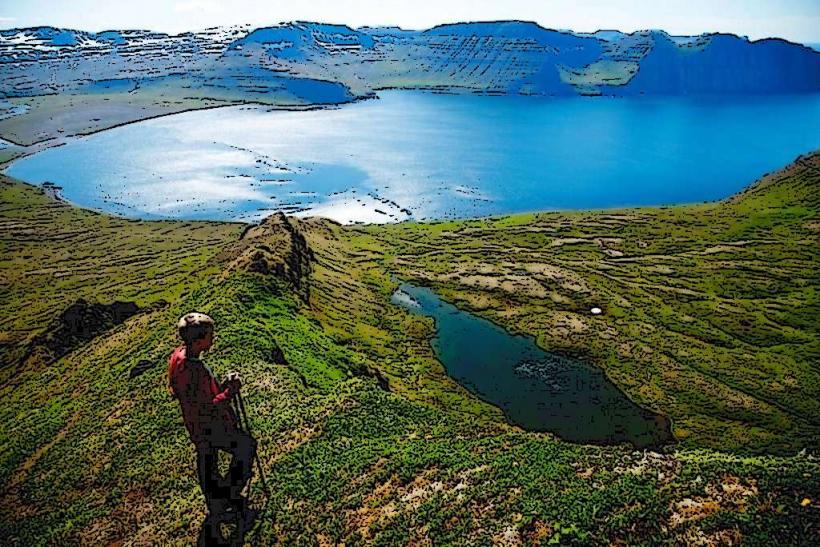
Believe it or not, Tucked away in southeast Iceland, not far from Höfn, Múlagljúfur Canyon winds through sheer cliffs and mossy slopes, hidden from most travelers, at the same time tucked inside Vatnajökull National Park, this hidden gem lies among jagged peaks, vast glaciers, and wild, windswept valleys, mildly The canyon ranks among Iceland’s most breathtaking sights, with ribbons of blue water curling through vivid red and green cliffs and stone walls carved into dramatic shapes, along with múlagljúfur Canyon sits in southeast Iceland beside the Múlagljúfur River, with rugged cliffs rising west of Skaftafell in Vatnajökull National Park, sort of You can reach the canyon by taking the F206 highland road, but you’ll need a sturdy 4x4-especially in summer when the track turns dusty and rough, then it stretches about 2 kilometers and plunges as deep as 120 meters.Steep, jagged cliffs rise above narrow passageways, while a twisting river slices through the land, its surface flashing in the sun, as well as glacial meltwater carved this canyon over thousands of years, cutting deep into volcanic rock and layers of sediment.The canyon’s origins trace back to the Vatnajökull Glacier, which once blanketed most of the region before retreating and revealing this dramatic landscape, simultaneously múlagljúfur Canyon draws visitors with its breathtaking beauty, from sheer cliffs to the vivid greens and golds that streak its walls, mildly In summer, when the moss is thick and grass brushes your ankles, the cliffs blaze with reds, oranges, greens, and browns, a patchwork born from layers of volcanic ash and ancient rock, in turn the Múlagljúfur River twists through the canyon’s tight curves, its pale water cutting sharply against the gloomy stone.In places, the river tumbles into miniature, frothy waterfalls, heightening the canyon’s striking beauty, after that fed by glacial melt from the nearby Vatnajökull Glacier, the water flows year-round, steadily carving the land.Sheer cliffs rise on either side, dotted with jagged rock spires and patches of green moss, alternatively geothermal heat, creeping glaciers, and violent eruptions have shaped a landscape that tells the story of Iceland’s restless past.Murky canyon walls still hold the rough, pitted rock of ancient lava flows, while volcanic activity rumbles beneath, fed by the island’s setting on the Mid-Atlantic Ridge, on top of that around it all, soft moss clings to the ground, dotted with luminous wildflowers and swaying grasses that flourish in the mild air.In summer, the canyon bursts with deep greens and dazzling splashes of color from the plants clinging to its walls, in conjunction with reindeer roam the area, and birds like puffins and golden plovers wheel overhead or perch on rocky ledges.Remote and wild, the canyon draws hikers for its sweeping views and untouched beauty, not only that the Múlagljúfur Canyon Trail ranks among the area’s favorites, drawing hikers eager to wander its winding paths and stand close enough to hear the river echo against the steep canyon walls, relatively You can reach the trail from the main road (F206), and most people finish it in two to four hours, depending on their pace and chosen route, moreover the trail twists between the canyon’s sheer cliffs, opening onto sweeping views of the river, rugged mountains, and pale blue glacial fields.It’s a moderate hike, best for those with some experience-especially if you step off the path to peer over the edges or reach the waterfall spray, in turn you can get there via the F206 highland road, but you’ll need a 4x4.Because the canyon sits far off the beaten path and the ground is rough underfoot, it’s best to go in summer-June through September-when dusty roads finally open, along with in winter, deep snow and slick ice make the area almost impossible to reach.The best time to spot Múlagljúfur Canyon is in summer, from June to September, when the air feels mild, the road is clear, and the hills burst with green, simultaneously autumn is stunning too, with leaves blazing gold and crimson along the canyon walls.As it happens, In Iceland, the weather can turn in minutes, so pack for sudden wind or rain, then just a short drive away, you’ll find Skaftafell, part of Vatnajökull National Park, with trails that lead to Svartifoss-a waterfall framed by dim basalt columns slick with mist.Also close is Jökulsárlón Glacier Lagoon, where blue icebergs drift silently against the backdrop of the vast Vatnajökull Glacier, and it’s also home to Diamond Beach, where chunks of glittering ice wash onto the black sand.Nearby, the vast Vatnajökull Glacier-one of Europe’s largest ice caps-offers glacier hikes, ice cave tours, and serene lagoon cruises, meanwhile in the town of Höfn, you can pause for a meal and savor fresh lobster pulled straight from the crisp Atlantic.It’s also a great starting point for exploring the wild beauty of the Vatnajökull region, subsequently múlagljúfur Canyon ranks among Iceland’s hidden gems, with sweeping views, striking rock formations, and a quiet, untouched air that makes the wind seem louder in your ears, not entirely With its vibrant colors, twisting rivers, and sheer cliffs that catch the wind, it calls to nature lovers, hikers, and anyone eager to feel the raw, untouched beauty of Iceland’s wild landscapes, then hike the rim and feel the wind whip past your ears, or stand back and let the sweeping cliffs fill your view-either way, Múlagljúfur Canyon leaves a memory you won’t shake in the wild heart of Iceland.
Author: Tourist Landmarks
Date: 2025-09-04