Information
Landmark: Musée de Tahiti et des IlesCity: Tahiti
Country: French Polynesia
Continent: Australia
Musée de Tahiti et des Iles, Tahiti, French Polynesia, Australia
Overview
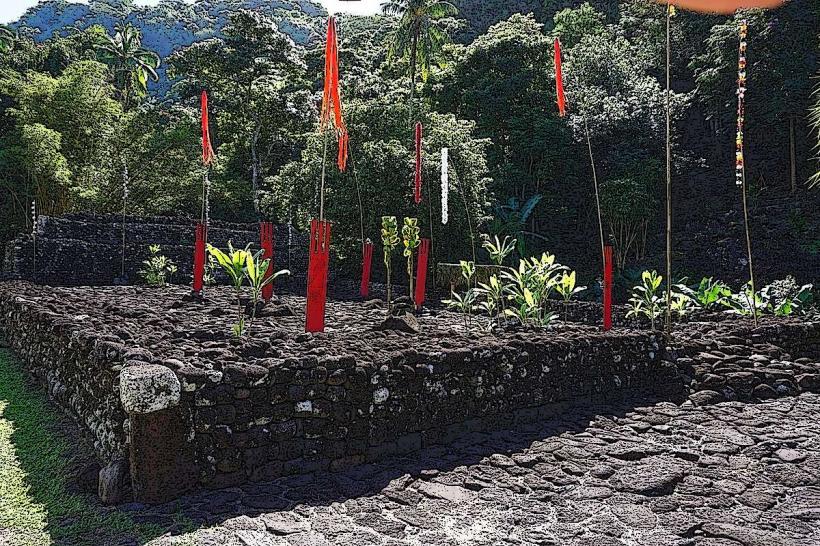
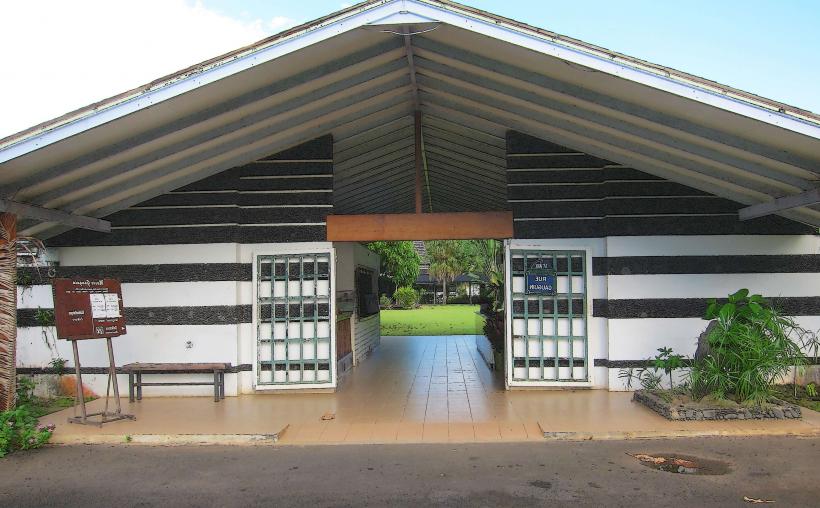
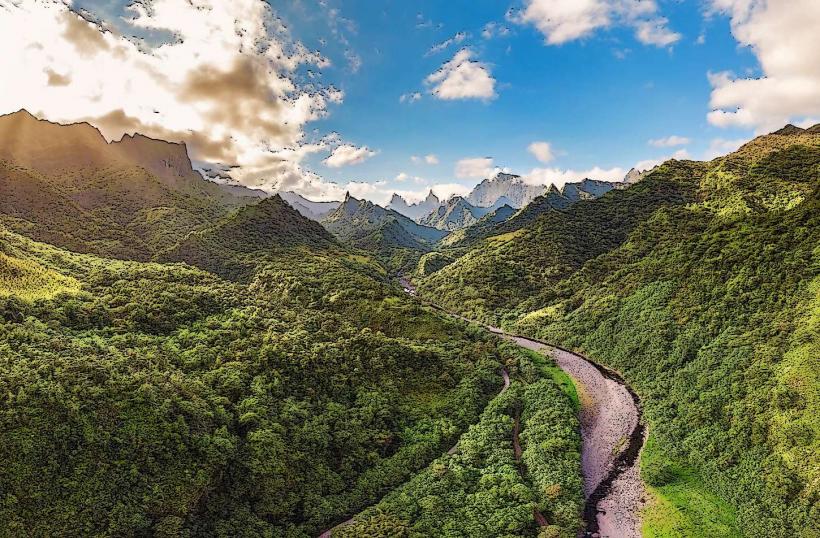
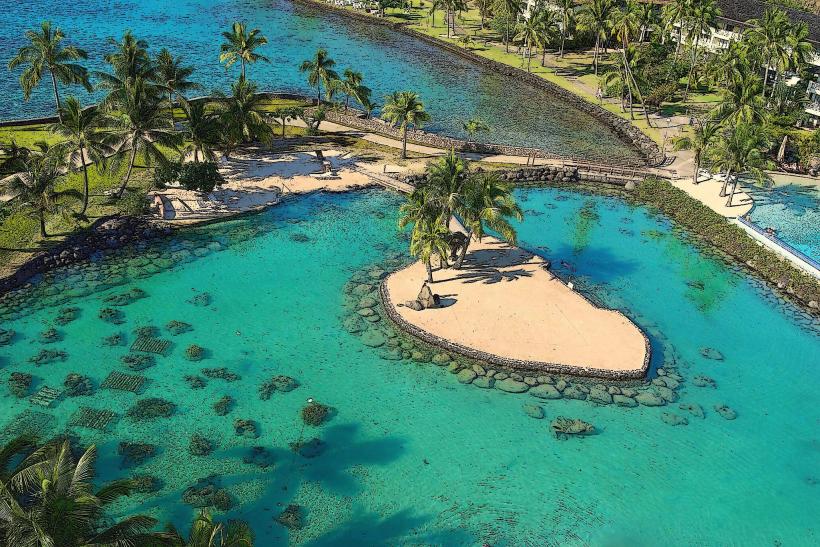
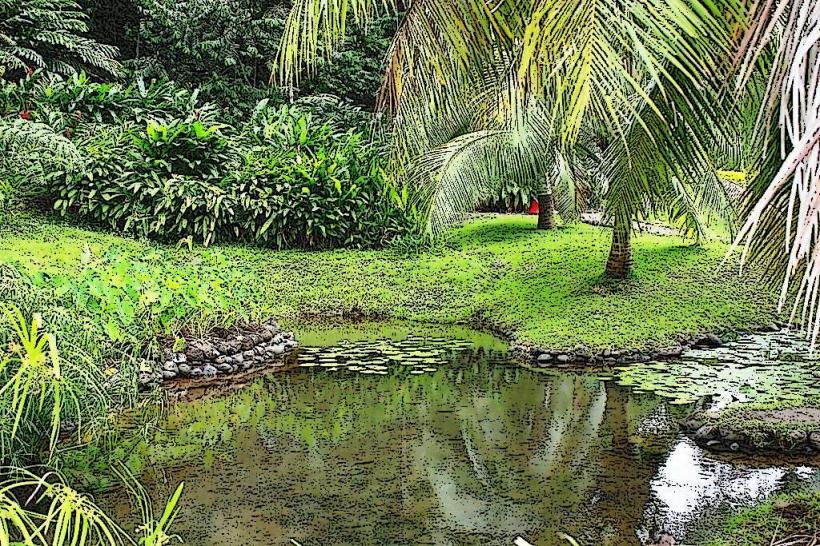
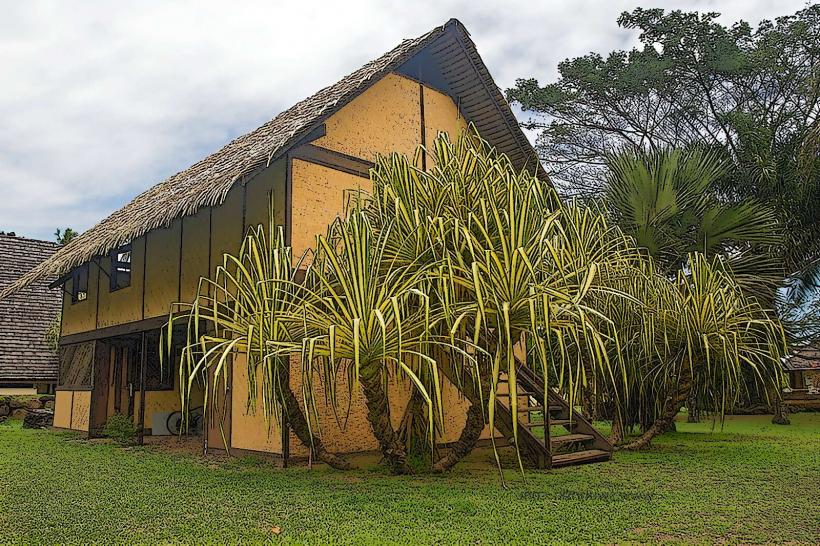
Just outside Papeete, Tahiti’s bustling capital, the Musée de Tahiti et des Îles stands in Punaauia as one of French Polynesia’s most treasured cultural landmarks, where carved wooden drums greet visitors at the door, on top of that step inside and you’ll find a rich journey through the islands of French Polynesia-its history, vibrant traditions, and the wild beauty of its lagoons and reefs.Here’s a closer gaze-imagine flipping open a well-worn notebook: 1, alternatively the museum opened its doors in 1974 to preserve and share the rich cultural and natural history of Tahiti and the nearby islands.Its exhibits bring to life the islands’ pre-European past, the depth of Polynesian traditions, the shifting landscapes of their ecosystems, and the profound changes brought by European arrival, while the museum holds collections on the ethnography and archaeology of the Pacific Islands, and sits in a lush tropical garden in Punaauia where you can spot mist curling over the distant mountains and the ocean shimmering below, to some extent The museum sits in peaceful surroundings, where visitors can wander through the exhibits and take in the lush greenery swaying in the breeze, furthermore its thatched-roof building, open and airy, echoes traditional Polynesian design and suits the warm, tropical air.Inside, the displays are arranged in sections, each spotlighting a different facet of the islands’ rich cultural and natural history, after that just the letter “a,” modest and plain, mildly The museum showcases an array of Polynesian art and traditional objects from French Polynesia, from hand-carved wooden masks to finely woven mats that still carry the faint scent of pandanus leaves, in conjunction with the museum’s extensive collection spans weapons, tools, cooking utensils, and sacred objects, alongside vivid displays of traditional Polynesian clothing like dazzling Tahitian pareos and intricate featherwork; visitors can also watch the art of canoe building, a time-honored skill once vital for crossing the Pacific, and explore archaeological finds such as pottery, age-worn tools, and keepsakes from the pre-European era.Curiously, These artifacts reveal how early Polynesians lived and organized their communities, therefore in one gallery, the museum delves into the role of marae-stone platforms where chants once echoed during sacred ceremonies.Some exhibits showcase scale models of sacred sites, along with vivid accounts of their site in Polynesian religious and social life, in conjunction with the museum also traces the impact of European exploration and colonization, featuring displays on James Cook and other early navigators who first stepped ashore in Tahiti’s warm, salt-scented air.Funny enough, You’ll also find artifacts and stories about 19th-century Christian missionaries, whose arrival reshaped local culture, traditions, and beliefs, besides finally, the galleries celebrate the rich biodiversity of French Polynesia, from dazzling coral reefs to the calls of seabirds overhead.The museum showcases the islands’ unique plants and animals, from rare orchids to birds found nowhere else, and dives into the rich marine world of coral reefs teeming with sharks, manta rays, and flashes of sparkling tropical fish, simultaneously visitors can explore exhibits on protecting French Polynesia’s fragile ecosystems-its reefs, wildlife, and forests-and step into displays honoring the remarkable navigation skills of Polynesian seafarers and explorers.The exhibits showcase how voyagers navigated-reading star maps and steering canoes across endless stretches of the Pacific-while the Musée de Tahiti et des Iles brings culture to life through lively dance performances, hands-on craft workshops, and engaging talks on Polynesian history, in addition visitors can join guided tours to uncover the meaning behind archaeological tools and rare ethnographic treasures, and the museum also serves as a vital center for researching and preserving Tahitian and Pacific heritage.Honestly, The museum in Punaauia, on Tahiti’s west coast, works closely with local universities and research groups to support studies in the islands’ history, anthropology, and ecology, and it doubles as a lively learning hub for anyone curious about Polynesian culture, from students to travelers; it’s just a short, breezy drive from Papeete and welcomes visitors daily, except on public holidays, subsequently hours can change, so check ahead before you go-the venue might open later on a rainy morning, slightly often Entry is usually inexpensive, with discounts if you’re a student or coming with a group, in turn tour operators often weave the museum into their broader cultural itineraries, pairing it with spots like the misty Faarumai Waterfalls, the rugged trails of Mount Orohena, or Papeete’s Black Pearl Museum, before ending with the Musée de Tahiti et des Îles-a must-behold for anyone wanting to truly grasp the island’s history, culture, and wild beauty, somewhat The museum’s mix of vibrant exhibits lets visitors explore French Polynesia’s traditions, history, and natural wonders, from intricate shell necklaces to maps faded by salt and sun, in a way that’s both engaging and informative, simultaneously whether you’re drawn to the rhythm of Polynesian life, intrigued by ancient stone tools, or curious about the islands’ rare birds, the museum offers it all in one rich, immersive visit.
Author: Tourist Landmarks
Date: 2025-09-11