Information
Landmark: Museo Casa de la CulturaCity: Cochabamba
Country: Bolivia
Continent: South America
Museo Casa de la Cultura, Cochabamba, Bolivia, South America
Overview
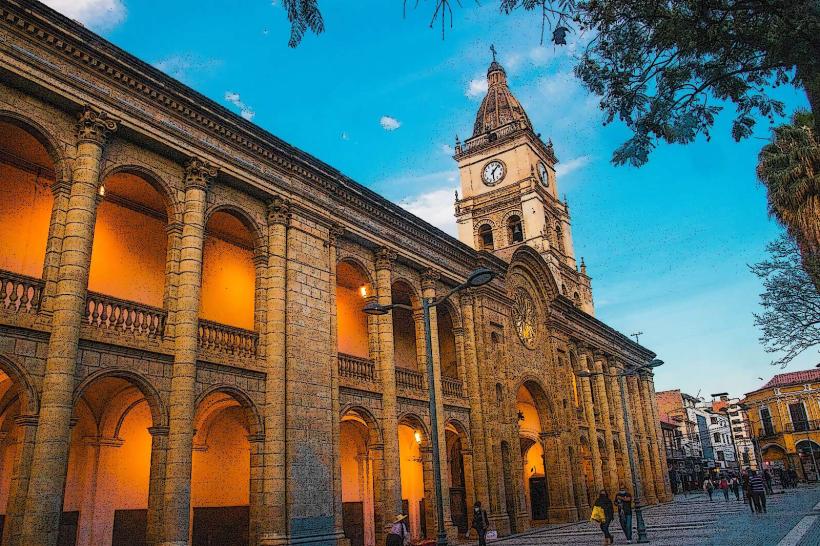
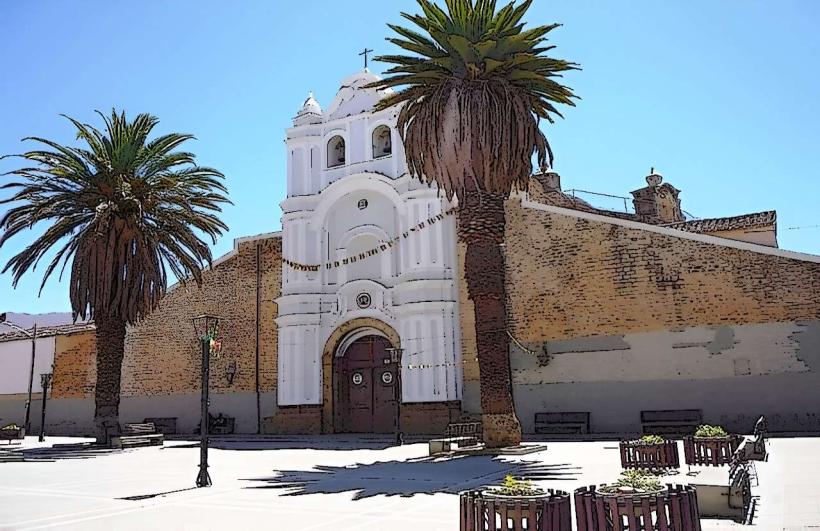
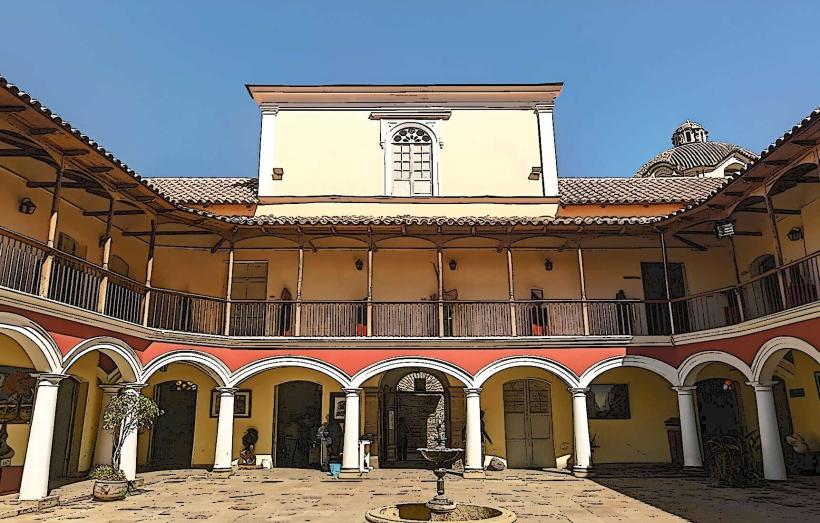
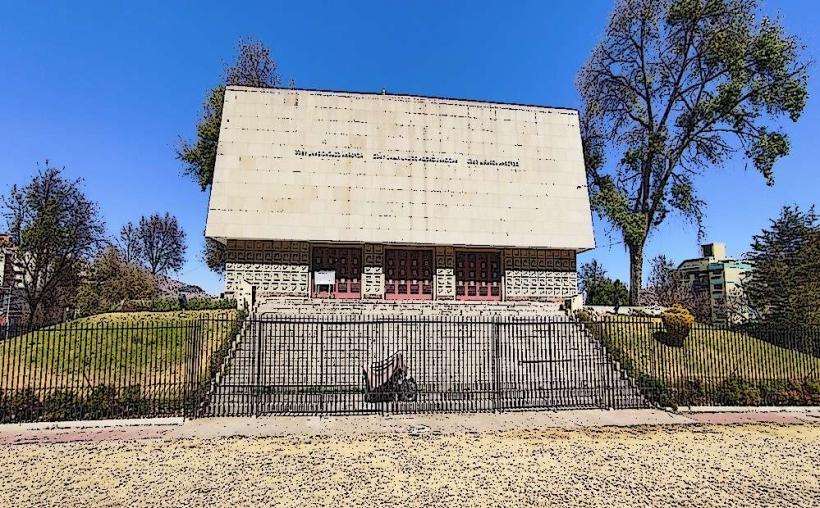
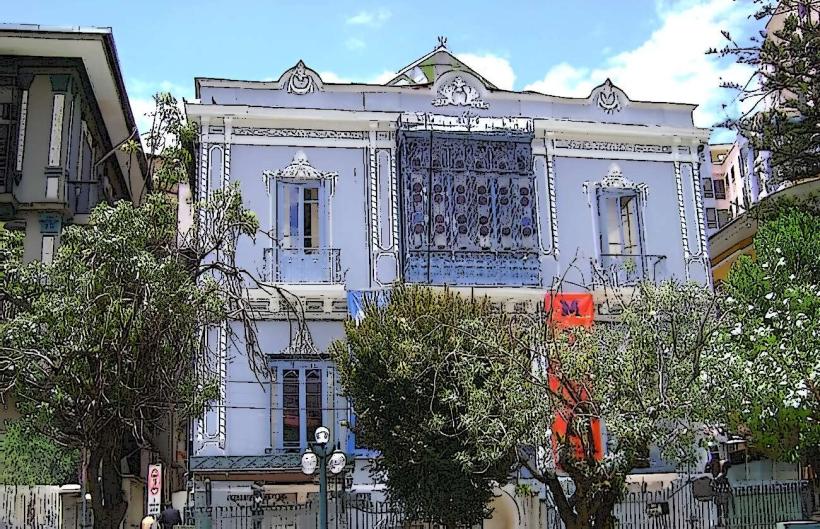
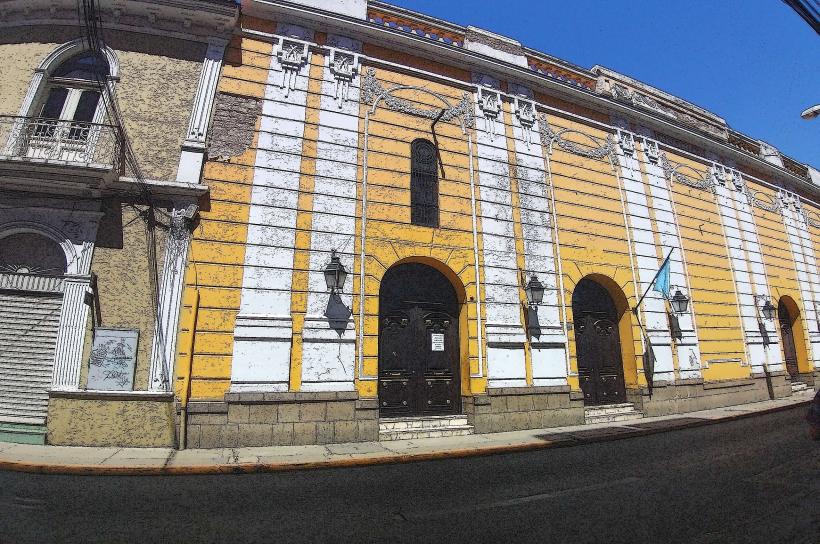
Mind you, In the heart of Cochabamba, Bolivia, the Museo Casa de la Cultura (House of Culture Museum) stands as a well-known hub for art, music, and local traditions, on top of that the museum works to preserve the region’s art, history, and traditions, from weathered farm tools to vibrant festival costumes.It’s a lively gathering spot for the community, where visitors can step inside and explore Bolivian culture through colorful exhibitions, spirited performances, and hands-on workshops, equally important history and Significance: The Museo Casa de la Cultura occupies a stately vintage home, its wooden shutters still painted a deep, weathered green from decades past.Honestly, Over the years, the building found a modern life as a cultural center, hosting art exhibits and history showcases that celebrate the Cochabamba region, while the house is a colonial-era gem, its wide porch and weathered shutters echoing the city’s rich architectural heritage, moderately Frankly, The museum opened its doors to safeguard Cochabamba’s cultural identity and share it with others, while giving local artists and artisans a destination to display their vibrant, handwoven tapestries and other works, after that since then, it’s grown into a cornerstone of the city’s cultural life, filling its halls with exhibitions, workshops, performances, and the hum of public gatherings.The museum showcases a wide range of exhibitions tracing Bolivia’s artistic journey, with a special spotlight on the vibrant colors and traditions of the Cochabamba region, and we’re paying close attention to a few key areas, starting with 1, moderately The museum showcases paintings, sculptures, photographs, and printmaking pieces, from a sunlit watercolor by a local artist to a bold canvas by a well-known national figure, also these pieces capture Bolivia’s artistic spirit, from the bold patterns of indigenous art to the sleek lines of modernism and the fresh edge of contemporary work.The exhibitions often dive into themes of identity, culture, and history, giving visitors a glimpse of the country’s many voices-like the dazzling threads woven into a traditional tapestry, while several exhibitions feature temporary displays of contemporary artists’ work, from bold street murals to delicate ink sketches, capturing the shifting pulse of Cochabamba’s and Bolivia’s art scene.Number two, also alongside its visual art displays, the museum features historical exhibits that explore Cochabamba and Bolivia’s social, political, and cultural past, from faded revolution banners to weathered family photographs.You’ll often find photographs, faded letters, and worn artifacts that tell the story of the city’s colonial roots, its part in Bolivian independence, and how it’s changed over the centuries, consequently visitors can step into the stories of the region, meeting the figures and moments that shaped its past, somewhat Three, meanwhile the museum shines a spotlight on Bolivia’s indigenous traditions, especially those of the Quechua and Aymara peoples, from vivid woven textiles to carved wooden masks, slightly Oddly enough, The exhibits showcase traditional textiles, colorful ceramics, hand-shaped pottery, and crafts that carry the cultural heritage of these communities, along with these collections offer rich insight into how Bolivia’s indigenous communities have kept their traditions and art alive, from woven textiles warm with earth-toned dyes to songs passed down for generations.The museum also highlights folk art, showcasing traditional Bolivian crafts like handwoven fabrics, embroidered clothing, and gleaming handmade jewelry, while number four.The museum often brings in temporary exhibitions, from vibrant folk art displays to contemporary photography, giving visitors something fresh to explore, at the same time these exhibitions give emerging artists a stage to share their work and invite visitors to dive into the fresh colors, textures, and ideas shaping today’s Bolivian art and culture.The museum often hosts exhibitions built around a single theme-photography, literature, visual storytelling, even rich historical retrospectives on cultural icons whose faded letters or worn belongings sit quietly under glass, what’s more along with its exhibitions, the Museo Casa de la Cultura buzzes with life, hosting concerts, workshops, and other events that draw people into the world of art.The museum offers a range of activities, from hands-on craft workshops to quiet gallery tours where you can hear the soft creak of the timeworn wooden floors, equally important the museum regularly hosts workshops and classes in a range of art forms, from painting and sculpture to photography and fine craftsmanship, sometimes with the scent of fresh paint lingering in the air.These workshops spark creativity and build skills, drawing in locals and visitors alike, whether they’re sketching by the window or shaping clay at the workbench, while the museum’s dedication to education reaches into local schools, offering guided tours and hands-on activities where students might, for example, weave colorful textiles as they explore Bolivia’s culture and artistic heritage, sort of Two, while the museum also hosts lively music and dance shows, with the sparkling strum of charangos and swirling skirts bringing traditional Bolivian tunes and folkloric dances to life.Frankly, Visitors can soak in Bolivia’s cultural richness through performances ranging from the haunting notes of Andean flute music to vibrant dances that bring the country’s many traditions to life, to boot the Casa de la Cultura keeps Bolivian folk music alive, teaming up often with local musicians and dance troupes-sometimes filling the air with the sharp ring of charangos-to share genuine cultural moments with its audience.Somehow, Number three, alternatively the museum hosts lively public lectures and engaging conferences on history, culture, and the arts, from ancient trade routes to modern sculpture.At these events, you’ll hear from celebrated scholars, artists, and historians who share vivid insights into Bolivia’s rich heritage and the latest shifts in its cultural scene, from ancient weaving traditions to modern art installations, equally important number four stood scrawled in thick black ink across the page.All year long, the museum fills its halls with cultural festivals, from lively Bolivian dances to the scent of fresh empanadas, honoring the country’s traditions and local culture, to boot these festivals bring people together with lively folk music, colorful art displays, and the smell of fresh bread in the air, creating a joyful space to celebrate their shared heritage.Mind you, The Museo Casa de la Cultura sits in a sun-warmed colonial-style building, its white walls and wooden balconies perfectly reflecting the museum’s mission to honor and preserve Cochabamba’s rich historical and cultural heritage, in turn the building’s design showcases traditional Spanish colonial style, with arched windows that catch the afternoon light, sturdy wooden beams, and smooth white plaster walls.The building is woven into the city’s cultural fabric, its worn stone steps lending the museum’s exhibits an added sense of authenticity, furthermore inside, the museum feels warm and uplifting, a quiet space where the soft echo of footsteps invites visitors to linger over the beauty of Bolivian art and history.The Museo Casa de la Cultura sits right in the heart of Cochabamba, so whether you’re a local or just visiting, you can reach it easily-just a short wander from the main plaza, while it sits just steps from some of Cochabamba’s most crucial cultural and historical landmarks, making it the perfect destination to kick off a day of exploring the city’s rich heritage.The museum welcomes visitors daily, closing only on a few holidays, and tickets cost less than a cup of coffee, what’s more visitors are free to wander the museum, linger over a painting’s brushstrokes, join a workshop, and soak in the city’s lively cultural scene.In conclusion, the Museo Casa de la Cultura stands as a cornerstone of Cochabamba’s cultural life, displaying its rich art and history like colors brushed across a weathered canvas.
Author: Tourist Landmarks
Date: 2025-09-18