Information
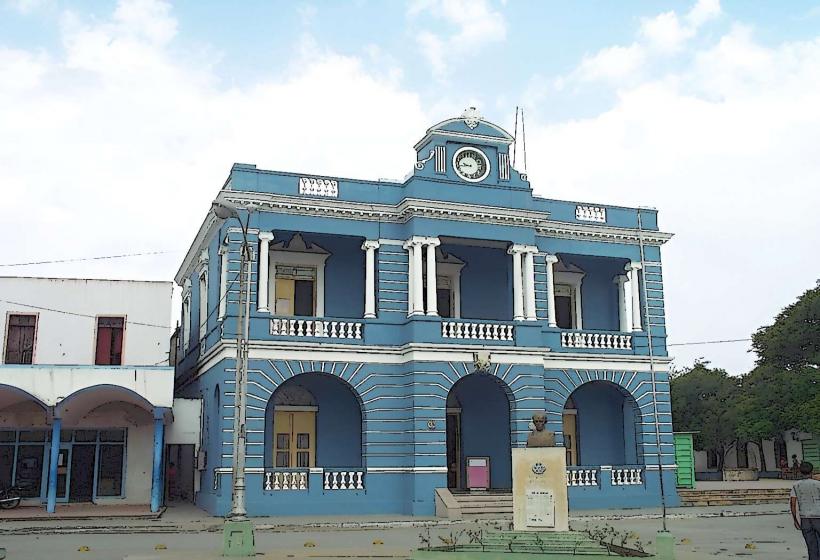
Landmark: Museo de la MúsicaCity: Las Tunas
Country: Cuba
Continent: North America
Museo de la Música, Las Tunas, Cuba, North America
Overview
In Las Tunas, Cuba, the Museo de la Música fills its sunlit halls with the rhythms and stories of the island’s past, honoring a rich musical heritage that runs deep in Cuban culture, meanwhile music runs deep in Cuban identity and history, and this museum pulls you in for a closer peek at the island’s rich mix of rhythms-from the sway of son to the beat of rumba-as they’ve changed and grown through the years.Step inside the Museo de la Música in Las Tunas, where the warm strum of a tres guitar greets you, and you’ll find a space devoted to preserving and celebrating Cuba’s rich musical traditions, what’s more cuba’s music carries a rich, winding history, shaped by Spanish guitars, African rhythms, and the chants of its first peoples, with fresh notes brought by waves of arriving immigrants.Believe it or not, The museum showcases these influences and the ways they’ve shaped Cuban music, with a special focus on the lively rhythms of Las Tunas and the eastern region-where you can almost hear the strum of a tres guitar in the air, alternatively here, visitors can dive into the distinctive sounds, instruments, and music styles born in this region, from the deep thrum of a wooden bass to the sparkling ring of hand-played claves, with one of the museum’s main draws being its remarkable collection of traditional Cuban instruments, for the most part They include percussion such as congas, bongos, and the sharp crack of a clave, along with strings like the tres and a warm-toned guitar, then many of these instruments lie at the heart of Cuban sounds like son, salsa, and rumba.Inside the museum, you’ll find worn sheet music with penciled notes, crackling ancient recordings, faded photographs, and shining vintage posters that trace the island’s musical history, as a result these materials show how Cuban music has evolved, from the steady beat of Afro-Cuban drums to the rise of modern genres over the centuries.Actually, Step inside the museum and you’ll catch a vivid glimpse of Cuba’s past, where music threads through its cultural, political, and social story-from the smoky pulse of Son Cubano, blending Spanish guitar with African rhythms, to the dazzling swirl of salsa that conquered dance floors worldwide, likewise you’ll hear the earthy beat of rumba, feel the tenderness of a bolero, and sense the jazz notes shaped by masters like Chucho Valdés and Arturo Sandoval.Beyond its exhibits, the Museo de la Música doubles as a hub for teaching and preserving this heritage, serving both curious visitors and music students in Las Tunas, moreover the museum hosts lively programs, hands-on workshops, and festive events to inspire young musicians and keep Cuba’s traditional sounds alive.Interestingly, It also champions local talent, giving Las Tunas’ musicians and composers a stage where their songs can ring out, as well as the destination often buzzes with performances, art shows, and lively events where the region’s artists share their work-sometimes a song drifting out the open doors.It shines a light on the area’s musical heritage, inspiring recent creations, while the museum works to safeguard Cuba’s historic sound recordings and dusty, timeworn archives, after that it protects key pieces of Cuba’s musical heritage so future generations can still hear, study, and be inspired by them.As it happens, In Las Tunas, the Museo de la Música has become a lively gathering spot where music lovers, local bands, and visiting artists swap songs and stories, as a result the museum draws people together to explore Cuba’s musical history, dive into the rhythms that shaped it, and meet others who share their love for the country’s vibrant sound.Alongside its exhibits, you can catch live shows where local musicians fill the room with the warm pulse of guitars and drums, therefore visitors can soak up Cuban music in guest, from the warm strum of a traditional ensemble to fresh, inventive takes on classic rhythms, and the museum opens its doors wide to the world, turning each performance into a lively cultural exchange.To be honest, It’s more than a spot for Cubans to explore their heritage-it’s also where visitors from around the world can discover one of Cuba’s most treasured traditions, running their fingers over carved wood or turning the pages of timeworn, weathered books in the museum’s hands-on exhibits, while visitors can explore a variety of instruments, hear crackling historic recordings, and even pick one up to try playing for themselves.The museum immerses you in the music-it feels like the notes are swirling right around you, then for those curious to dig deeper, friendly guides often lead tours that uncover the stories behind each exhibit.Expert guides bring Cuba’s musical past to life, explaining how a wooden clave sets the rhythm, why certain instruments matter, and how the island’s styles have changed over time, in turn these tours give you a closer scan at how Cuban music has shaped-and been shaped by-other cultures, from the echo of African drums to the sway of Spanish guitar, for the most part In the end, the Museo de la Música in Las Tunas stands as a vibrant cornerstone, keeping Cuba’s rich musical heritage alive and celebrated, on top of that the museum, with its rows of gleaming trumpets, rare historical artifacts, and lively workshops, helps keep Cuba’s musical past alive while inspiring the sounds of its future.Whether you live down the street or flew in from across the ocean, the Museo de la Música invites you to step inside and hear Cuba’s music unfold-from the warm strum of a rustic tres guitar to the bold rhythms of its modern beats, to boot if you want to grasp how deeply music shapes Cuba’s identity and daily life, this area is a must-detect-step inside and you might catch the warm thrum of a guitar drifting through the air.
Author: Tourist Landmarks
Date: 2025-09-11