Information
Landmark: Museu do ÍndioCity: Manaus
Country: Brazil
Continent: South America
Museu do Índio, Manaus, Brazil, South America
Overview
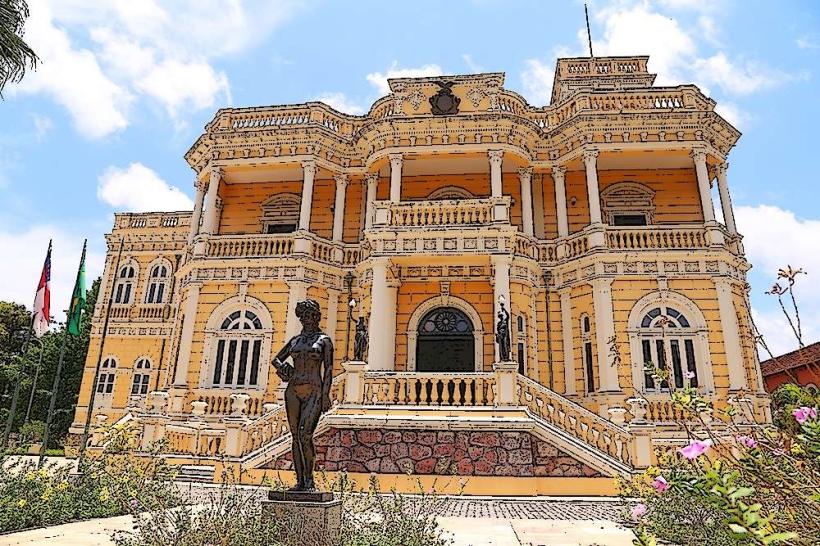
In Manaus, Brazil, the Museu do Índio (Museum of the Indian) invites visitors to step into the rich world of Amazonian and Brazilian indigenous cultures, with displays of feathered headdresses, woven baskets, and centuries-classical traditions, simultaneously it’s a vital institution that works to preserve and share the rich heritage, traditions, and daily life of Brazil’s indigenous peoples-especially those of the Amazon, where the scent of woodsmoke still drifts from riverbank villages, in a sense First, besides the Museu do Índio opened its doors in 1956, founded by Láurea Varela, and today it’s run by the National Indian Foundation (FUNAI).The museum opened to share the stories and traditions of Brazil’s indigenous peoples, honoring their contributions at a time when highways and current cities were steadily overtaking their lands and ways of life, moreover the museum exists to safeguard and share the knowledge and heritage of indigenous communities, preserving stories as vivid as the beadwork on a ceremonial cloak, for the most part It works to record and protect the traditions, artifacts, and everyday practices of indigenous communities, acting as both a destination of learning and a living archive where, for example, the scent of cedar carvings lingers in the air, after that number two.As you can see, The Museu do Índio showcases a vivid mix of artifacts-beaded clothing, carved tools, and striking works of art-from many of Brazil’s indigenous peoples, as well as the museum shines a spotlight on the Amazon, yet you’ll also find carved masks, tools, and other artifacts from indigenous peoples across the country.Artifacts: The museum showcases a rich array of indigenous art-intricate weaving, hand-shaped pottery, dazzling featherwork, ceremonial objects, and time-worn tools once used by native communities, therefore visitors can browse everyday items-a worn wooden bowl, a well-used cooking pot-alongside ceremonial pieces tied to spiritual and cultural traditions.As it turns out, Tribal Clothing and Regalia: The museum’s standout display features traditional garments and adornments from indigenous tribes-luminous feathered headdresses, streaks of vivid body paint, and intricate beadwork that catches the light, meanwhile these pieces are often beautifully crafted, with beadwork that catches the light, and they hold deep meaning in indigenous identity and ceremonial traditions.The museum’s exhibits bring Brazil’s indigenous cultures to life, from the intricate beadwork of one tribe to the haunting flute songs of another, revealing the rich mix of customs, languages, and traditions across the land, as a result for example, you might glimpse a carved Tupi mask, a woven Yanomami basket, or artifacts from the Ticuna and Kayapo peoples, along with many others.In parts of the museum, you’ll find life‑size replicas of traditional Indigenous homes, including a maloca-a tall, airy communal house where many Amazon tribes once gathered under a palm‑thatched roof, consequently it lets visitors step into the world of indigenous life, seeing how people cook over open fires and have lived much the same way for centuries.Ethnographic displays at the museum bring to life the daily routines, sacred rituals, and community roles of Indigenous people-you can almost hear the rhythm of drums in the air, in conjunction with these displays often weave together audio recordings, photographs, and antique film reels, helping visitors grasp the richness of Indigenous cultures and the struggles they face.Number three, as a result the Museu do Índio plays a vital role in teaching and preserving Brazil’s indigenous heritage, keeping alive their languages, stories, and traditions while shining a light on their ongoing fight for land, protection from deforestation, and the survival of their way of life.The museum offers guided tours and hands-on educational programs that bring the history and meaning of indigenous objects and traditions to life, from the smooth curve of a carved bowl to the rhythm of a ceremonial drum, not only that these programs teach both visitors and school groups why indigenous cultures matter in Brazil’s broader history, from ancient traditions to the sound of a drum echoing through the rainforest, for the most part Actually, Indigenous Voices: The museum helps bring indigenous stories to life, letting their voices rise like a drumbeat through its halls, as well as it aims to shine a light on their challenges in today’s world-from the fight for land rights to protecting fragile rivers and forests, and holding on to centuries-aged traditions.By sharing indigenous traditions this way-like the rhythmic beat of a hand drum-the museum builds respect and understanding, inspiring people to value cultural diversity and stand up for the rights of indigenous communities, while number four.The museum often comes alive with temporary exhibitions, lively lectures, and cultural gatherings that shine a light on the rich traditions of Indigenous cultures-like the warm scent of cedar drifting through a carving demonstration, then at these events, indigenous artists, performers, and community leaders gather at the museum to share their stories, music, dance, and vibrant works of art.Cultural Celebrations: The museum also joins in honoring indigenous festivals and ceremonies-like the Festival of the Indigenous Peoples of the Amazon-where visitors can feel the drumbeats, notice vivid costumes, and experience these traditions up close, while the museum often works with Indigenous communities, weaving their voices into exhibits and programs-like a display rich with the scent of cedar and the sound of traditional songs.Through these partnerships, the museum’s work stays true to the voices of Indigenous people-respectful, authentic, and grounded in lived experience, like the patterns woven into a cedar bark basket, furthermore five.The Museu do Índio plays a vital role in keeping alive the songs, stories, and traditions of Brazil’s Indigenous peoples, after that the museum’s work helps preserve culture at a moment when many Indigenous communities are losing ground to polluted rivers, expanding settlements, and government policies that strip away their land and self-determination.Advocacy for Indigenous Rights: The museum actively speaks up for Indigenous communities, shining a light on the struggles they face in today’s Brazil-like the steady loss of forest along riverbanks-and pressing for the protection of their lands and culture, as well as tourists from around the world stop by the museum to explore the rich stories of indigenous cultures, from intricate beadwork to centuries-vintage carvings.It draws global eyes to the struggles indigenous communities endure and gives them a locale to speak out on urgent issues, from vanishing forests to the fight to protect their land, after that number six sits there, plain and unblinking, like it’s waiting for someone to give it meaning.You’ll find the museum in Manaus, the bustling capital of Brazil’s Amazonas state, where the river smells faintly of rain, and you’ll find it at 356 Rua Duque de Caxias, the pale yellow building on the corner, slightly often Visiting Hours: The museum’s usually open Monday through Friday, though now and then you can catch it on a Saturday, when sunlight spills across the marble floor, likewise still, it’s smart to glance at their website or give them a quick call to confirm today’s hours and observe if something special-like a live music night-is happening.Admission: Getting into the museum doesn’t cost much, and now and then students, locals, or tour groups can snag a discount, simultaneously seven.Founded in 1956 by Láurea Varela, whose modest office smelled faintly of fresh ink, simultaneously our focus is preserving and sharing the rich traditions of Brazil’s indigenous cultures, especially those from the Amazon, where stories echo through the rustle of palm leaves.Collections include artifacts, traditional clothing, vibrant artwork, and ceremonial objects polished smooth by years of careful use.
Author: Tourist Landmarks
Date: 2025-09-17