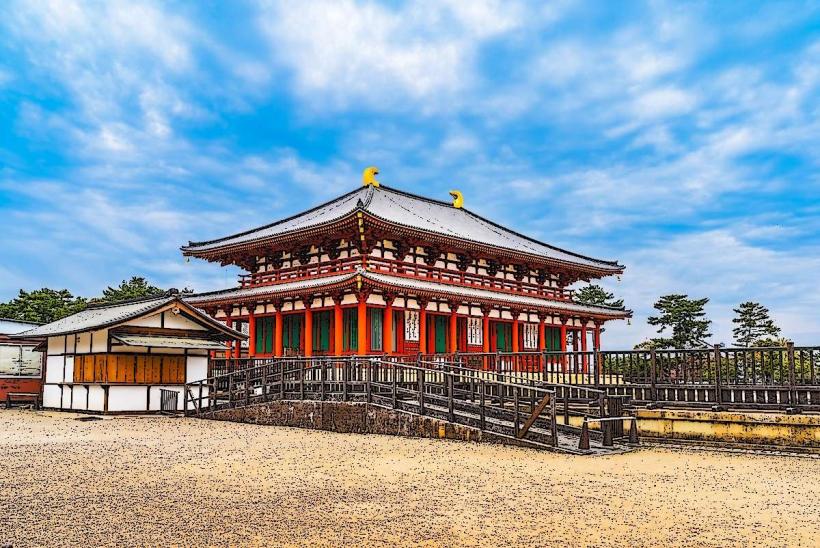
Information
Landmark: Nara National MuseumCity: Nara
Country: Japan
Continent: Asia
Nara National Museum, Nara, Japan, Asia
Overview
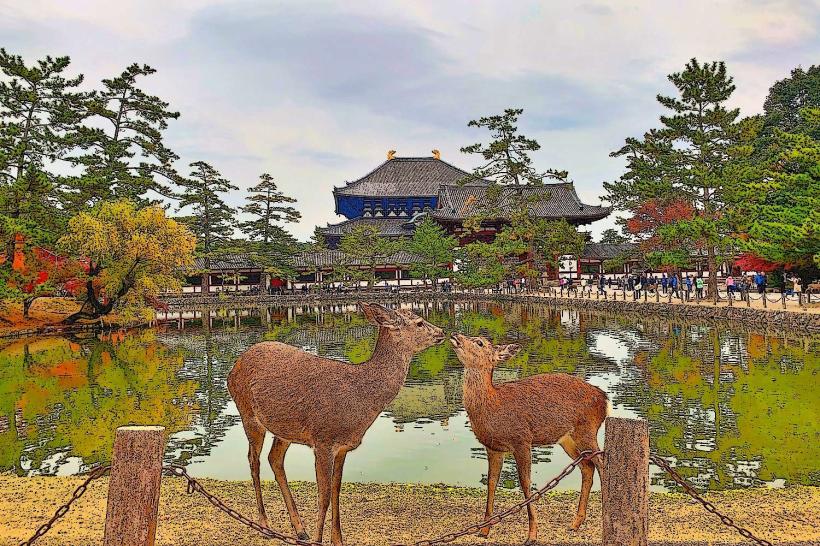
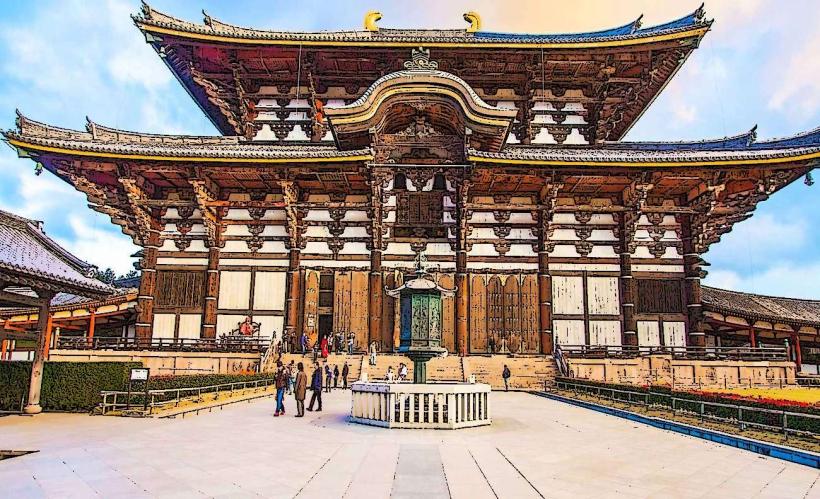
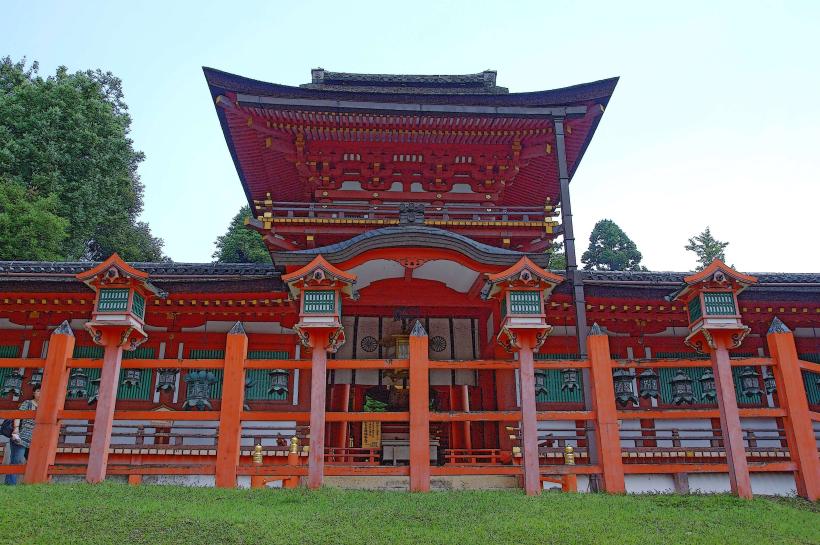
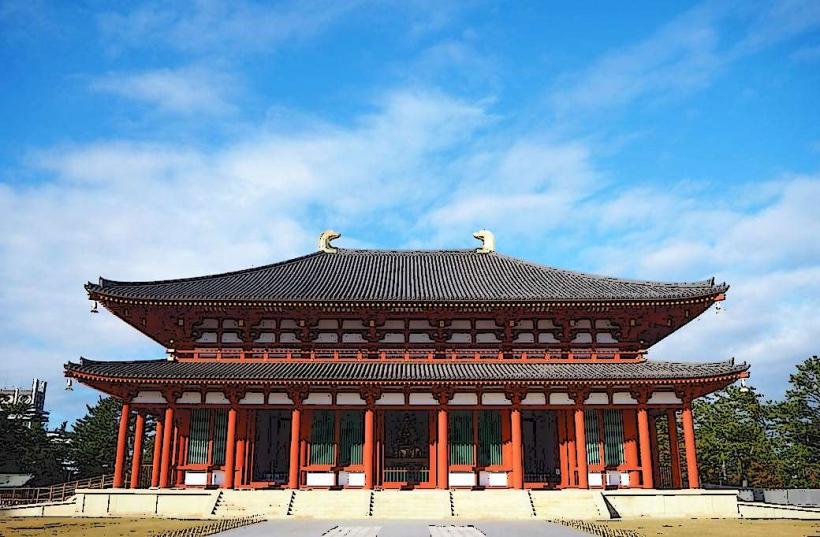
In the heart of Nara’s timeworn streets, the Nara National Museum stands as one of Japan’s most necessary, its quiet halls filled with centuries-aged treasures, as a result its mission is to preserve, share, and bring to life the cultural heritage of Nara and the wider Japanese region, especially the serene beauty of Buddhist art and the rare archaeological treasures from the Nara period (710–794), partially Step inside and you’ll journey through Japan’s ancient history, its spiritual traditions, and its art-an experience that fuels scholarly research and sparks public wonder, like pausing to study the delicate brushstrokes on a centuries-ancient scroll, on top of that one.Founded in 1889, the Nara National Museum became part of Japan’s push to safeguard its cultural treasures after the Meiji Restoration of 1868, preserving everything from ancient scrolls to delicately carved Buddha statues, besides you’ll find the museum in Nara Park, just a short stroll from landmarks like Todai-ji and the lantern-lined paths of Kasuga Taisha Shrine.Over the years, the museum has grown its collection and curated modern exhibits, until today it stands as one of Japan’s leading centers for exploring the nation’s art and history-where a single brushstroke on an Edo-era screen can feel like a whisper from the past, equally important number two.The museum’s main building showcases a Neo-Classicist design, weaving together Western symmetry with the curved eaves and wooden grace of traditional Japanese architecture, as a result later, they built a sleek modern annex, with glowing glass walls, to hold more exhibits and give special shows the room they needed.Main Building: Its graceful lines and tall arched windows echo the early Meiji era, when Japan began weaving Western design into the fabric of its public architecture, to boot annex: This newer wing of the museum feels open and glowing, built to host rotating exhibits, temporary collections, and even a tucked-away space for research.Number three stood alone, a minute mark on the page like a pebble on white sand, in turn the Nara National Museum holds an extensive range of cultural treasures from many eras of Japan’s past, yet its heart lies in Buddhist art, reflecting the region’s deep ties to the faith-delicate carved statues and shimmering gold leaf panels fill its quiet halls.The museum splits its collections into several main sections, starting with A, moreover the museum’s standout treasure is its vast collection of Buddhist art, with many pieces dating back to the Nara period, their gold leaf still catching the light, maybe Among the highlights are Buddha and Bodhisattva statues-ancient Nara-period figures carved from wood, cast in bronze, or shaped from cool, smooth stone, meanwhile they’re crafted with intricate detail and often tied to the great Buddhist temples of the region, like Todai-ji, where bronze gates gleam in the afternoon light.Buddhist Paintings: The museum houses ancient scrolls, intricate mandalas, and other sacred artworks, each illustrating Buddhist teachings and glimpses of the spiritual world-gold leaf catching the light like fire, in addition ritual Objects: The collection holds ceremonial tools used in Buddhist practices-an incense burner still faintly scented with sandalwood, a lotus-shaped pedestal, and carefully preserved scriptures.B, consequently alongside its religious art, the Nara National Museum showcases archaeological treasures-pottery, tools worn smooth by use-that reveal everyday life and trace the sweep of history in the Nara period.These include pottery and ceramics from the Nara period-everyday bowls worn smooth from use and delicately painted vases-that reveal the traditions and daily life of early Japan, likewise jewelry and weapons-such as intricate gold hairpins, battle-worn armor, and finely forged blades-reveal how Japan’s society and military changed over the centuries, more or less Many of the museum’s sculptures came from ancient burial sites, their worn stone surfaces offering a rare glimpse into early Japanese art and the rituals that shaped it, meanwhile c.The museum also holds historical treasures, including ancient scrolls and delicate Buddhist manuscripts inked in fading gold, then they’re key to grasping how Japan’s religious beliefs evolved, how its rulers governed, and how its literature grew-from ancient court poems to the tales whispered by candlelight, moderately Sutra scrolls, historic chronicles, and delicate brushstrokes on yellowed paper bring the Nara period’s intellectual heritage into vivid focus, what’s more the letter D sat in bold black ink, sharp as the edge of a fresh pencil line.Mind you, Alongside its permanent collection, the museum often brings in special exhibitions, from delicate Japanese ink paintings to bold international sculptures, after that these exhibitions often dive into a clear theme-maybe a single decade, a bold art movement, or a joint project with another museum, fairly Number four, in conjunction with the museum curates exhibitions built around a range of themes, often exploring detailed historical and religious stories tied to Nara and the wider history of Japan.Among the standout themes is the Nara Period, with exhibits showcasing its monumental Buddhist art-like the towering Great Buddha of Nara gleaming in the vast hall of Todai-ji, therefore buddhist Pilgrimages: These exhibitions often delve into Japan’s antique pilgrimage routes, displaying sacred artifacts-a worn wooden prayer tablet, for example-and other objects tied to temple visits, maybe Buddhist Iconography: These exhibitions explore the rich symbolism of Buddhist deities and how artists have portrayed them, from serene golden statues to delicate ink paintings, offering a vivid behold at Japan’s Buddhist visual culture, moreover five, mildly At the Nara National Museum, you can join guided tours in several languages, where a knowledgeable guide might pause beside a delicate bronze Buddha to share its history and meaning, while in recent years, the museum has added interactive displays that use digital technology, letting visitors tap a screen or swipe through images to dig deeper into the stories behind each object.The museum offers a range of educational programs-hands-on workshops, engaging lectures, and lively seasonal events-all designed to deepen visitors’ appreciation of Japanese culture and history, alternatively number six.The Nara National Museum plays a key role in the annual Nara Temple and Shrine Festivals, lively gatherings that honor the region’s spiritual heritage with the scent of incense drifting through the air, simultaneously during these festivals, the museum might put on special exhibitions, lively performances, and hands-on activities-like painting masks or tasting spiced cider, mildly The museum joins in events like Culture Day, along with other national celebrations, to share the beauty of Japanese art and culture-lanterns glowing, music carrying through the crowd, meanwhile seven.The Nara National Museum sits close to other highlights in Nara Park, where you can wander past ancient temples and quiet shrines shaded by tall cedar trees, while just a short trek away, you’ll find Todai-ji Temple, home to the Great Buddha-a bronze giant that seems to watch you from the dim, fragrant hall-and one of Japan’s most celebrated landmarks.Kasuga Taisha Shrine, devoted to the Fujiwara clan’s deities, is best known for the thousands of stone lanterns that line its paths, each weathered smooth by centuries of rain and moss, equally important nara Park is a sprawling green space where tame deer wander past picnickers and temple gates, believed to be sacred messengers of the gods.Eight, consequently access and Facilities Opening Hours: The museum’s doors are open most days, closing only on a few holidays or when crews are inside polishing floors and making repairs.Admission fees apply to the permanent collection, with discounts for students and special exhibitions, like the one showcasing delicate watercolor sketches, consequently the museum has a gift shop, a cozy café that smells of fresh coffee, and quiet spots where you can rest between exhibits, perhaps At the Nara National Museum, you step straight into Japan’s deep tapestry of culture and faith, from serene Buddhist statues to ink paintings that still smell faintly of ancient wood.
Author: Tourist Landmarks
Date: 2025-09-17