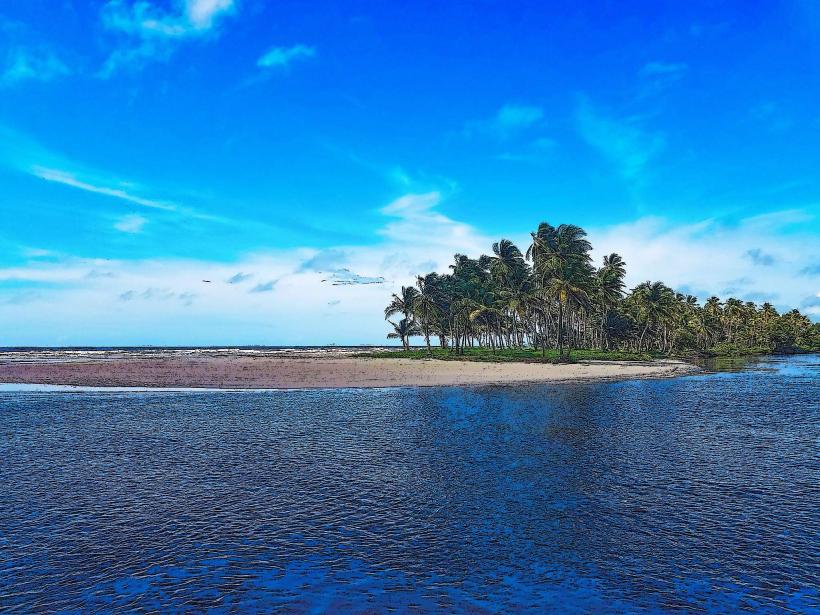
Information
Landmark: Nariva SwampCity: Mayaro
Country: Trinidad and Tobago
Continent: North America
Nariva Swamp, Mayaro, Trinidad and Tobago, North America
Overview
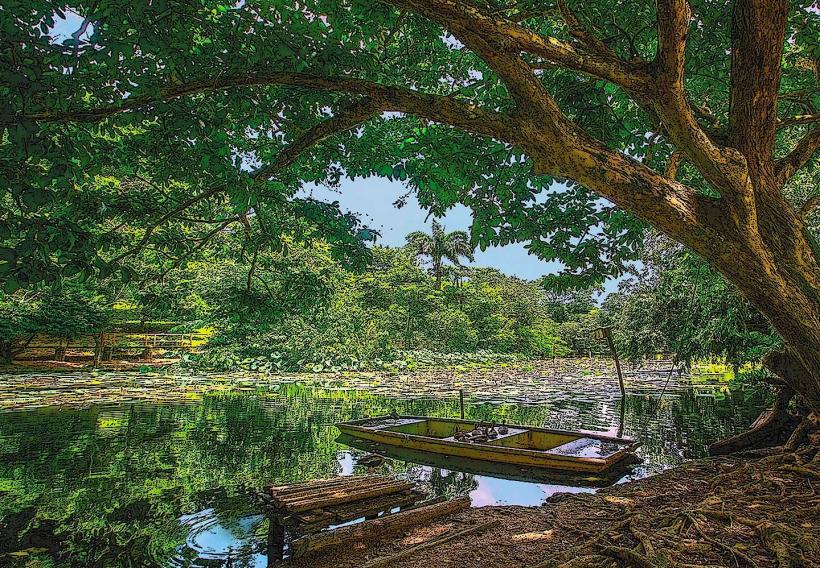
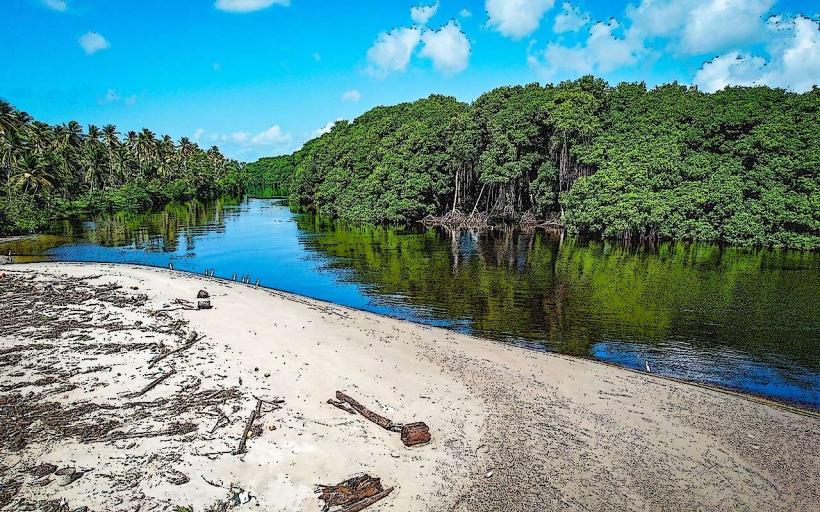
Mind you, In the far southeast of Trinidad, Nariva Swamp stretches out in a tangle of reeds and waterways, making it one of the island’s most significant wild places, after that it’s the largest freshwater swamp in Trinidad, a sprawling maze of reeds and still water, and among the island’s richest havens for wildlife, in some ways The swamp is vital to the environment, sheltering herons, turtles, and darting silver fish, and it remains a key stronghold for wetland conservation, what’s more here’s a close gaze at Nariva Swamp-its winding waterways, thick mangroves, and the life that thrives there: 1, kind of The Nariva Swamp sits in eastern Trinidad, tucked between the Nariva and Mayaro regions where the air smells faintly of salt and wet grass, equally important the swamp stretches across about 15,000 acres, with the Atlantic’s gray waves lapping its northern edge and the Guayaguayare River curving along the south.It sits just a short drive from Manzanilla Beach, so it’s easy to reach if you’re heading for the coast, not only that you can get there by car from Port of Spain or Sangre Grande, following the Eastern Main Road or the South Coast Road past stretches of tall, wind-ruffled grass.From the nearby town of Rio Claro, visitors can make their way to the swamp, the air thick with the scent of wet earth, subsequently the road to the swamp twists through quiet farmland, and though it’s easy enough to follow, you’ll want to take it gradual.Many visitors choose guided tours through the swamp, where local guides point out rare birds and share the region’s secrets, offering a richer sense of area, therefore the Nariva Swamp itself is a rare freshwater wetland, vital for protecting an extraordinary variety of wildlife.In the swamp, tangled mangroves, reedy marshes, and murky wetlands weave together to shelter a rich mix of plants and wildlife, not only that protecting waterfowl and other migratory birds matters here, as the swamp offers a crucial resting point along their long journeys.Nariva Swamp shelters over 200 bird species, from snowy egrets standing like pale statues in the shallows to herons and pelicans gliding overhead, meanwhile the swamp is home to all kinds of reptiles, from vivid green iguanas sunning on branches to lurking caimans and coiled anacondas.The swamp teems with fish, from darting tilapia to sharp-toothed piranhas glinting just below the surface, furthermore the swamp shelters rare plants found nowhere else-water lilies with waxy white petals, mangroves, and tall freshwater grasses-and it also filters the water, keeping Trinidad’s rivers and streams healthy.It works like a natural filter, soaking up extra nutrients and pollutants from the water so the flow runs clearer through the nearby areas, as a result nariva Swamp, with its glossy green reeds and open skies, is one of Trinidad’s top spots for birdwatching.Ornithologists and nature lovers flock here, drawn by the sheer variety of birds-vivid locals and seasonal visitors alike, as well as the swamp lies within the Caribbean Wetlands, a region the Ramsar Convention lists as a wetland of global importance, where egrets lift off in unhurried white arcs over the water.Birdwatchers might catch sight of a Scarlet Ibis flashing its red wings, a Roseate Spoonbill, a Great Blue Heron, or even a Yellow-crowned Night Heron, on top of that the swamp also shelters American crocodiles, caimans, and sunbathing green iguanas.These creatures flourish in the swamp, slipping between shady cattails and feasting on fish or darting frogs, consequently the swamp is also home to anacondas, though sightings are rare, and its murky waters teem with life-tilapia flicker just beneath the surface, piranhas dart in quick bursts, and heavy catfish drift along the muddy bottom.The swamp teems with many kinds of fish, a vital link that feeds herons, otters, and the people who cast their nets there, in addition its waters and banks are edged with mangroves, dotted with luminous water lilies, and thick with stands of cattails.The swamp is famous for its wide stretch of coconut palms, their fronds swaying in the salty breeze along the coast, meanwhile thick tangles of greenery give birds and other wildlife both shelter and a steady food source, and they help filter the swamp’s water.Most visitors discover Nariva Swamp on guided tours, led by local guides who comprehend every call and ripple, subsequently on these tours, you can spot herons gliding over the water and discover how the swamp’s ecosystem works-and why protecting it matters.Tour operators run boat trips through the swamp’s winding channels, where you can drift past reeds and watch herons lift off just a few feet away, likewise a boat tour lets you slip into parts of the swamp you’d never reach on foot, gliding past tangled roots and still water, and it’s also the perfect way to spot the herons and parrots that make birdwatching a highlight of Nariva Swamp.During migration season, the swamp comes alive with wings and calls, as travelers between North and South America pause here, giving visitors a chance to spot countless bird species, also birdwatching’s best in the early morning or late afternoon, when wings flash through the trees and calls echo in the still air, under certain circumstances Visitors can also join guided nature walks in and around the swamp, where local experts point out wild orchids, hidden nests, and other wonders of the area’s flora and fauna, as a result these walks often take you through tangled mangroves and into other corners of the swamp, where the air hums with life and every branch seems to hold something wild.Winding nature trails invite you to snap photos, spot a glowing flash of a kingfisher’s wings, or simply breathe in the stillness, furthermore in Nariva Swamp, locals and visitors alike cast their lines, waiting for a gentle tug from below.The swamp teems with life, drawing both commercial boats and weekend anglers to its murky waters, equally important you can cast a line for tilapia, piranhas, or catfish, whether you’re standing on the muddy shore or rocking gently in a compact boat.Mind you, Nariva Swamp, watched over by Trinidad and Tobago’s Environmental Management Authority, is a protected haven, besides this designation protects the swamp and the life around it, keeping the cattails, herons, and winding waterways secure for the generations to come.The swamp is also protected under Trinidad and Tobago’s Ramsar Convention, which honors it as a wetland of global importance-home to still waters that glint under the morning sun, simultaneously this designation protects the swamp’s rich biodiversity, keeping it a protected haven for wildlife and conservation, to some extent Still, Nariva Swamp faces real threats-nets strung across quiet channels, trees cut down at the edges, and current construction creeping closer, and people have raised concerns about pollution and poor drainage in the swamp, where even a thin film of oil on the water can throw its fragile ecosystem off balance.Work is underway to protect and restore the swamp, from cutting back human impact to teaching nearby villagers why the wetland matters-like how its reeds shelter shining ibises, and local communities around Nariva Swamp are playing their part.
Author: Tourist Landmarks
Date: 2025-09-11