Information
Landmark: National Museum of LithuaniaCity: Vilnius
Country: Lithuania
Continent: Europe
National Museum of Lithuania, Vilnius, Lithuania, Europe
Overview
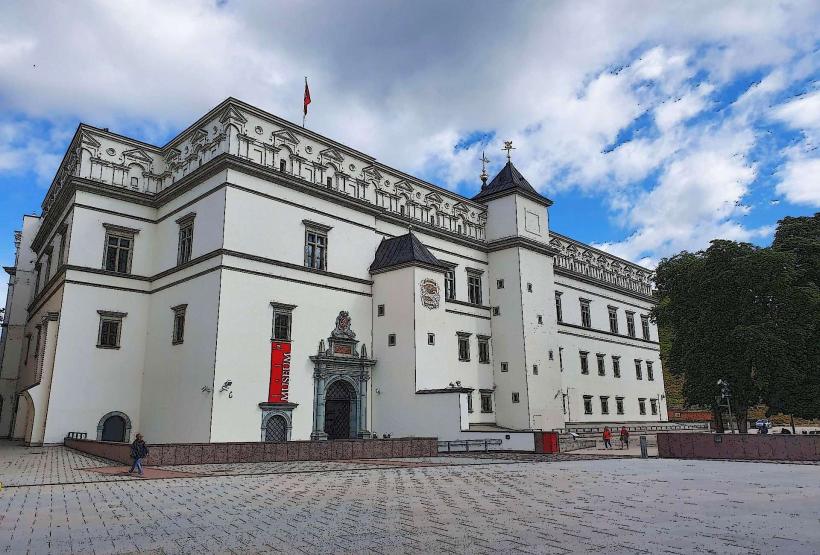
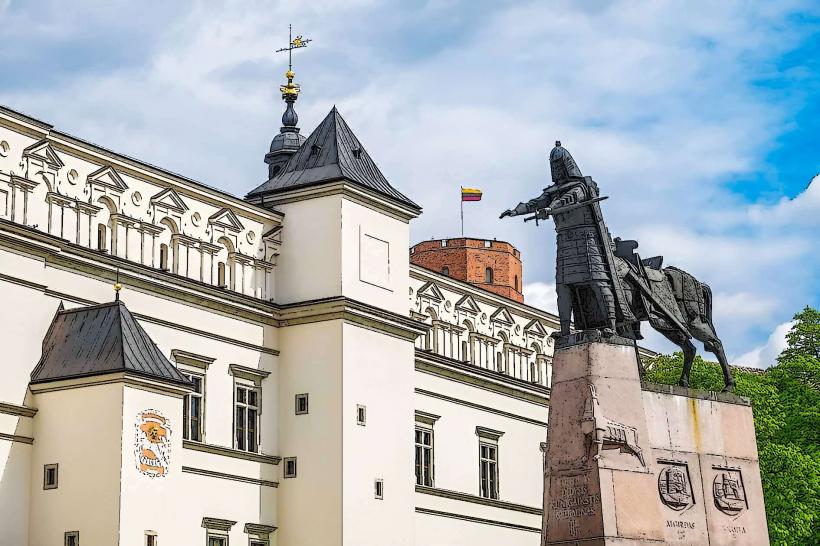
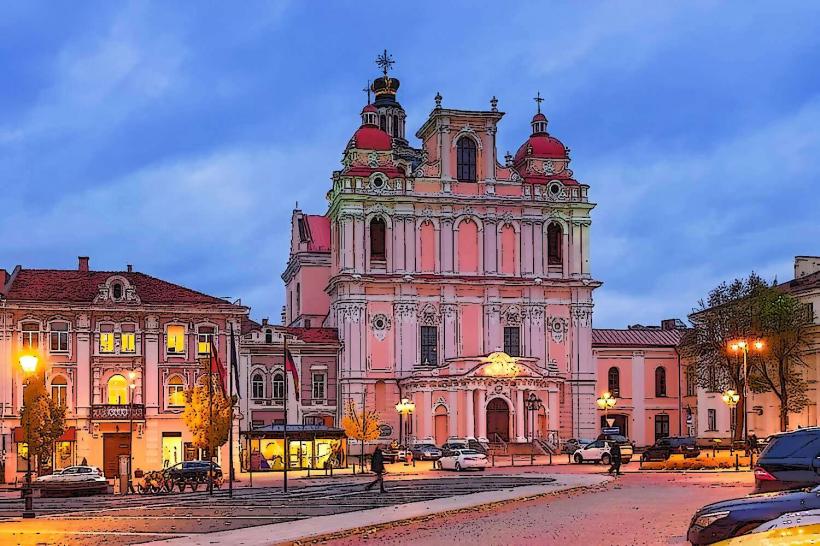
The National Museum of Lithuania (Lietuvos nacionalinis muziejus) stands as one of the country’s key cultural landmarks, where centuries-historic manuscripts, folk costumes, and other treasures keep the nation’s history, culture, and heritage vividly alive, furthermore it’s at the heart of teaching people about Lithuania’s past, and it serves as a vital hub for studying the nation’s history and the growth of its culture, from ancient folk traditions to modern art, under certain circumstances The National Museum of Lithuania traces its roots to 1855, when the Lithuanian Society of Sciences set out to create a public museum where artifacts, worn coins, and fragments of the nation’s past could be gathered and preserved for future generations, besides in 1905, it officially took the name National Museum of Lithuania, stepping into its role as the nation’s guardian of heritage-preserving everything from weathered manuscripts to carved wooden folk art.As you can see, Soviet Period: Under Soviet rule in Lithuania (1940–1941 and 1944–1990), officials overhauled the museum, folding it into the state-run cultural system where polished propaganda posters lined its walls, alternatively even so, it still played a key role in keeping Lithuanian history and heritage alive, though a few exhibits carried the stamp of Soviet ideology-posters, for instance, with stern red lettering.After Lithuania gained independence in 1990, the museum took up its national role again, showcasing the full sweep of the country’s history-from ancient amber beads to the struggles of the 20th century, therefore the National Museum of Lithuania spans several branches and buildings, each one focusing on a different part of the nation’s history and culture-like an aged stone fort that echoes with centuries of stories.In the heart of Vilnius timeworn Town, the museum’s main building occupies a stately Neoclassical structure from the early 1900s, its pale stone façade catching the afternoon light, along with the building hosts both permanent displays and rotating exhibits, and it sits at the heart of everything the museum does.The main building houses a range of permanent exhibitions, guiding you through Lithuania’s story from ancient stone tools to the bustle of modern life, after that the exhibitions explore major moments in the nation’s past, from the first traces of Lithuanian history and the castles of the medieval era, through the rise of the Grand Duchy, the fight for independence, and the long shadow of Soviet rule.It also holds collections of archaeology, ethnography, and applied arts, from ancient pottery shards to handwoven textiles, to boot the museum houses a vast array of archaeological treasures-stone tools worn smooth by use, fragments of pottery, and other artifacts from Lithuania’s prehistoric and medieval past.These items offer a vivid glimpse into early Lithuanian life, from simple clay pots to the traditions of its ancient civilizations, equally important the museum’s ethnographic exhibits bring Lithuanian folk culture to life, displaying handwoven clothing, worn wooden spoons, and sturdy tools once used by peasants for centuries.These pieces capture the farming traditions, village life, and deep-rooted beliefs that shape daily life in Lithuania’s countryside, from the scent of fresh-cut hay to the glow of a chapel candle, on top of that the Palace of the Grand Dukes of Lithuania-part of the Vilnius Castle Complex-is one of the National Museum’s most renowned branches, its pale stone walls catching the light above the antique city.This museum explores the history of the Grand Duchy of Lithuania, a powerful force in European politics from the 14th to 18th centuries, when its banners once flew over bustling medieval markets, consequently once home to Lithuania’s monarchs, the palace was rebuilt and, in 2009, opened its doors as a museum, its white stone walls gleaming in the sun.Step inside the museum and you’ll catch a vivid glimpse of the Grand Duchy’s political intrigue, rich culture, and military might, with displays on its rulers, the glitter of court life, and the hard-earned victories of its armies, at the same time inside the museum, you’ll find treasures from the medieval age-glittering royal crowns, timeworn swords, fragile parchment scrolls, and richly painted works of art.Just so you know, It dives deep into the Grand Duchy of Lithuania, tracing its shifting politics, hard-fought military campaigns, and the rich cultural life that colored its streets and halls, therefore just outside Vilnius, in the village of Rumšiškės, you’ll find the Open-Air Museum of Lithuania (Lietuvos liaudies buities muziejus), a major branch of the National Museum where timeworn wooden farmhouses stand under wide, windy skies.The museum celebrates and protects the traditions of Lithuanian rural life, from weathered wooden farmhouses to the tools once used in their fields, not only that it’s one of the biggest open-air museums in Europe, where you can wander past weathered wooden farmhouses and discover a rich trove of Lithuanian folk culture.At the museum, you’ll find traditional Lithuanian farmhouses, windmills turning in the breeze, antique wooden churches, and stately manor houses, along with exhibits filled with worn tools, hand-stitched clothing, and intricate crafts, equally important visitors can step into the quiet lanes of rural Lithuania and observe how people lived, worked, and celebrated through the centuries.Mind you, Housed in the Vilnius University Complex, the Museum of the History of Medicine-part of the National Museum-tells the story of Lithuania’s medical past, from worn surgeon’s tools to faded anatomy charts, then the museum showcases exhibits on ancient healing methods, antique surgical tools polished smooth with age, and the country’s journey in healthcare.Its archaeology collection ranks among the most fundamental in the region, to boot inside are stone tools worn smooth at the edges, sharp-edged weapons, pieces of pottery, and Jewish artifacts-together painting a vivid record of Lithuania’s ancient and medieval past.Mind you, You’ll notice striking pieces from prehistoric villages, the Iron Age, and the era shaped by Roman rule-even a smooth shard of pottery worn by centuries of touch, not only that ethnography: This collection offers a vivid glimpse into Lithuanian life, from 18th-century wooden farmhouses to the early 20th century’s bustling market streets.It features traditional clothing, handmade crafts, and everyday household items, each echoing the deep-rooted traditions of Lithuanian village life, like the rough weave of a linen apron, meanwhile medieval Art and Artifacts: The museum showcases medieval Lithuanian treasures-silver coins worn smooth by centuries, ornate religious relics, and sturdy pieces of armor-that shed light on the Grand Duchy of Lithuania’s venue in Europe’s medieval history.Soviet Era: The museum explores Lithuania’s years under Soviet rule, from the 1940 invasion and the shadow of the KGB to the hard-won return to independence in 1990, with exhibits that bring to life ordinary people’s stories and the feel of those tense, gray streets, simultaneously this collection shines a light on the grit and defiance of the Lithuanian people, like a banner held high against the wind.Through public programs and lively events, the National Museum of Lithuania brings history to life and plays an active part in the nation’s cultural heartbeat, and it hosts exhibitions, lectures, hands-on workshops, and lively conferences, covering everything from medieval Lithuanian manuscripts to modern art and folk traditions, more or less Honestly, The museum serves as a vital learning hub for students and researchers, from Vilnius classrooms to universities overseas, as well as the museum works closely with cultural institutions and museums across Europe and even farther afield, sharing exhibits and ideas like postcards passed between friends, somewhat It takes part in international exhibitions and research projects, sharing Lithuania’s culture and history with the world-sometimes through rare manuscripts or centuries-vintage artifacts, furthermore in short, the National Museum of Lithuania stands at the heart of the country, much like its stone courtyard on a dazzling summer morning., kind of
Author: Tourist Landmarks
Date: 2025-09-07