Information
Landmark: Oasis of TiznitCity: Tiznit
Country: Morocco
Continent: Africa
Oasis of Tiznit, Tiznit, Morocco, Africa
Overview
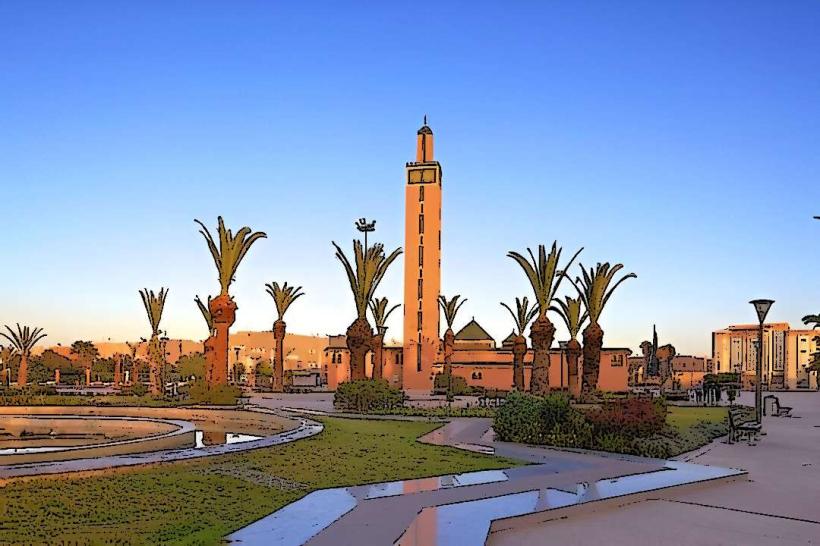
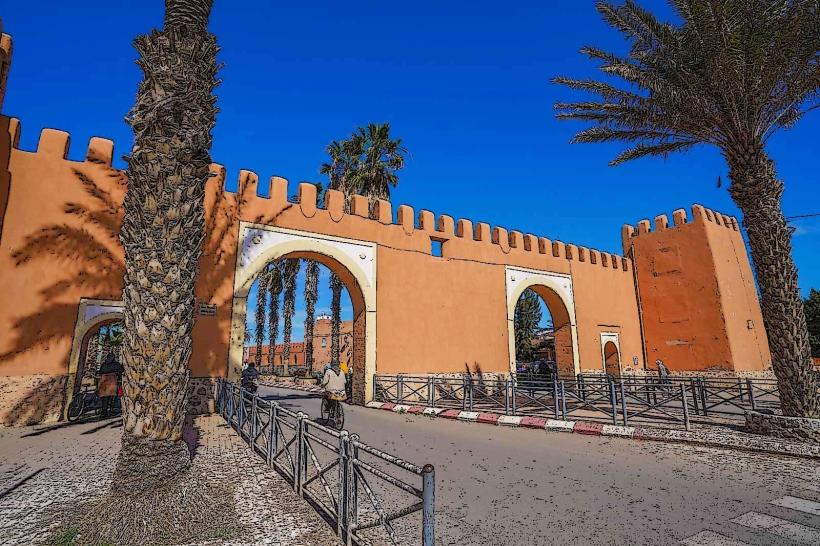
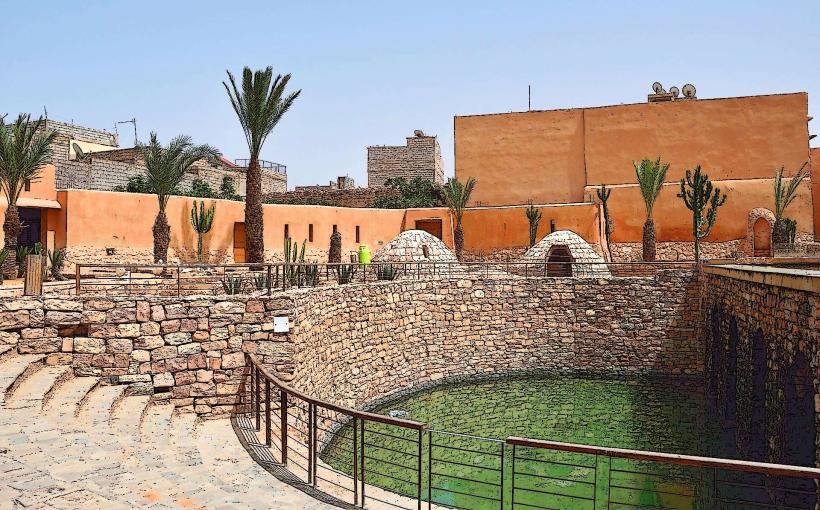
The Oasis of Tiznit may not draw the crowds of Morocco’s vast Saharan oases, but it’s a calm, green haven where palm fronds whisper at the edge of the city’s dry, sunbaked plains, equally important just beyond the medina, the oasis spills into the countryside, carrying forward the region’s age-timeworn skill in guiding water and tending crops-date palms swaying gently in its shade.It’s not one tight little oasis like you’d find in the Draa Valley; instead, it stretches into a web of palm groves, garden plots, wells, and narrow irrigation channels winding through the heart of village life, equally important here’s a detailed peek at the Oasis of Tiznit-imagine sunlit palm fronds swaying gently in the breeze: 1, fairly Just beyond Tiznit’s fortified medina, the oasis appears as the city’s stone walls yield to the green sweep of traditional “agdal” fields in the Amazigh style, on top of that the oasis winds along dry wadi beds, river channels that briefly surge with water after seasonal rains, soaking the soil and feeding the earth.The landscape is dotted with date palms swaying in the breeze, olive and almond orchards, fig trees, vivid citrus groves, and spiny cactus hedges tangled with native scrub that hold the sandy soil in site, along with in the oasis, local families own or care for modest plots, working them with age-antique irrigation methods-water trickling through narrow channels just as it has for generations.Farmers draw water from underground khettara channels and classical stone wells, let gravity-fed canals do the rest, and trap seasonal floodwaters with time-worn techniques; they grow barley, wheat, corn, radiant tomatoes, sharp onions, sweet carrots, and tend medicinal herbs alongside hardy wild plants, equally important cultural and Community Value The oasis isn’t only farmland-it’s where neighbors gather under the date palms, tending it together.Truthfully, For many families, it’s a thread tying them back to their ancestors-especially for Amazigh people whose roots run deep in the quiet, sun‑baked villages of the countryside, equally important it offers food security, medicinal plants, grazing for livestock, and cool shade that helps regulate the microclimate, slightly Though the land is mostly dry, the oasis teems with life-hoopoes flick their crests in the shade, bulbuls chatter in the palms, and shining bee-eaters dart after insects that keep the plants pollinated, in turn in the damp edges, slight lizards and shy frogs find refuge, while date palms offer sweet fruit, shelter for the birds, and a shield against the punishing sun, relatively Five, alternatively across the oasis, you’ll spot stone water basins glinting in the sun, low mud-brick walls, and carved stone or clay irrigation gates called seguias, in some ways Not surprisingly, Storage huts and shelters cluster near the fields, while a few weathered marabouts-saints’ shrines-stand nearby, marking the land and carrying deep meaning for the people who live there, to boot number six.You can reach it on foot from the southern or eastern edge of the city, passing quiet streets and the scent of fresh bread from a corner bakery, consequently it’s a lovely spot for a morning stroll or an evening wander, watching luminous birds flit through the palms, snapping photos, or chatting with local farmers who might pause to share a story or show you their tools; untouched by mass tourism, this oasis offers a true glimpse into rural Moroccan life.Seven, in turn the oasis is under pressure from modern threats-water is running scarce as deeper wells tap the reserves and cities spread closer; climate change brings less rain and throws planting seasons off; and many young people leave for life in the city.I think, Still, locals work to protect it, drawing on traditional grasp‑how and eco‑friendly farming, the scent of damp earth lingering where the palms still grow, as well as eight.With the right investment and care, the oasis could become a living example of sustainable land use in semi-arid regions, where date palms cast cool shade over winding footpaths, meanwhile you could join an educational tour on water conservation and agroecology, lend a hand with reforestation or reviving a community garden, or take part in cultural workshops where Amazigh farmers share age-historic techniques-like the rhythmic pounding of grain on a stone mill.In the end, the Oasis of Tiznit stands as proof of Morocco’s rural grit and clever ecological design, where date palms sway in the dry breeze, meanwhile it may be modest, but it holds deep cultural, spiritual, and practical meaning-like the weight of a worn prayer bead in your hand.It shows visitors that life on the desert’s edge isn’t merely possible-it’s steeped in tradition, shaped by balance, and grounded in a deep respect for the land’s harsh beauty, moreover strolling through the oasis feels like stepping into the very heart of Amazigh care for the land-quiet, steadfast, and rooted as deeply as the palm trees’ shadowed roots.
Author: Tourist Landmarks
Date: 2025-09-26