Information
Landmark: Observatory and Planetarium of SmolyanCity: Smolyan
Country: Bulgaria
Continent: Europe
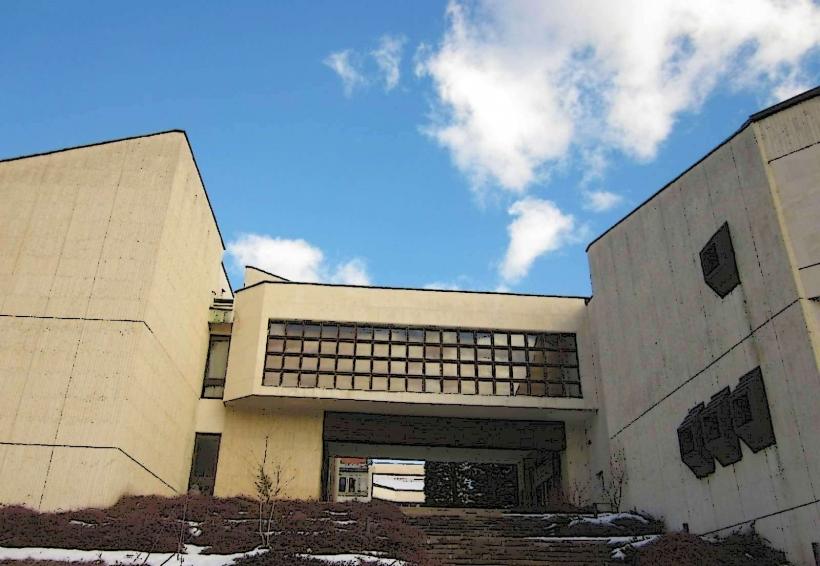
Observatory and Planetarium of Smolyan, Smolyan, Bulgaria, Europe
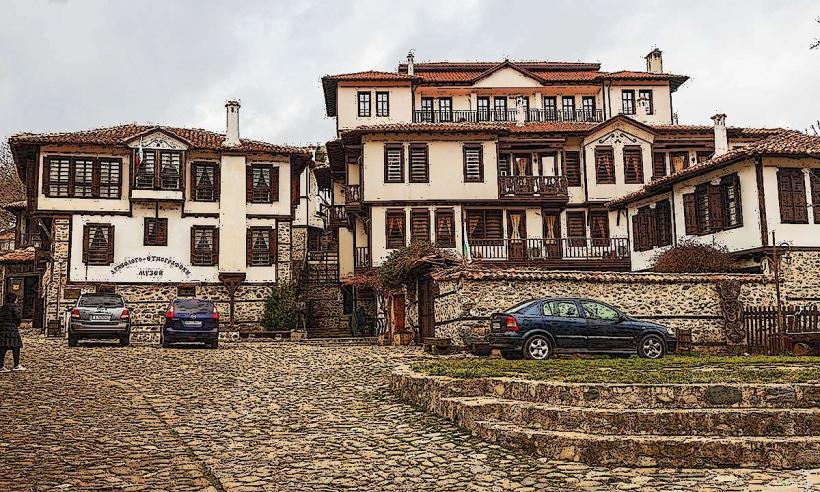
The Rhodopean Ethnographic Complex is an open-air museum and architectural reserve located in the "Cheshir" district of the Smolyan Old Town. It consists of a cluster of preserved 19th-century residential buildings that demonstrate the traditional timber-frame and stone construction techniques of the Middle Rhodopes.
Visual Characteristics
The buildings feature massive stone foundations and ground floors, with white-washed upper stories supported by thick oak beams. Roofs are constructed from heavy, hand-cut rhyolite slabs (tikli) rather than ceramic tiles. Narrow wooden windows, projecting bay windows (sachme), and high stone walls characterize the street-facing facades.
Location & Access Logistics
The complex is situated in the Ustovo and Raykovo neighborhoods, approximately 3km east of the Smolyan New Center. It is accessible via the main city boulevard, Bulgaria Blvd; visitors should dismount at the "Raykovo" bus stop for lines 1 or 2. Street parking is available in the surrounding residential alleys, though many streets are narrow and one-way.
Historical & Ecological Origin
The structures date primarily from the Bulgarian National Revival period (1830–1870). They were built by local master masons to serve as fortified homes for wealthy craftsmen and merchants. The "Pangulova House" and "Alibeev Konak" are the most prominent historical examples preserved within this specific urban cluster.
Key Highlights & Activities
Visitors can tour the interiors of selected houses to view traditional Rhodopean hearths, carved wooden ceilings, and built-in wardrobes (dolapi). The complex includes active artisan workshops where traditional weaving and copper-working are demonstrated. The "Cheshirka" fountain serves as a focal point for architectural photography.
Infrastructure & Amenities
Restrooms are available within the individual museum-housed buildings. The area is a living neighborhood, so standard urban infrastructure including 5G cellular signal and paved walkways is present. Small grocery shops and traditional "mehanas" (taverns) are located within a 200-meter radius of the central square.
Best Time to Visit
Late morning provides the best natural light for photographing the white-washed facades against the mountain backdrop. The complex is most active during the summer months (June–September) when artisan workshops are fully operational. Winter visits offer a stark visual contrast between the dark stone roofs and snow.
Facts & Legends
The "Pangulova House" is noted for its asymmetrical design, which was an intentional engineering choice to maximize sunlight on a steep mountain slope. Local history suggests these houses were designed as "mini-fortresses" with heavy iron-bolted doors to protect inhabitants from brigands during the late Ottoman period.
Nearby Landmarks
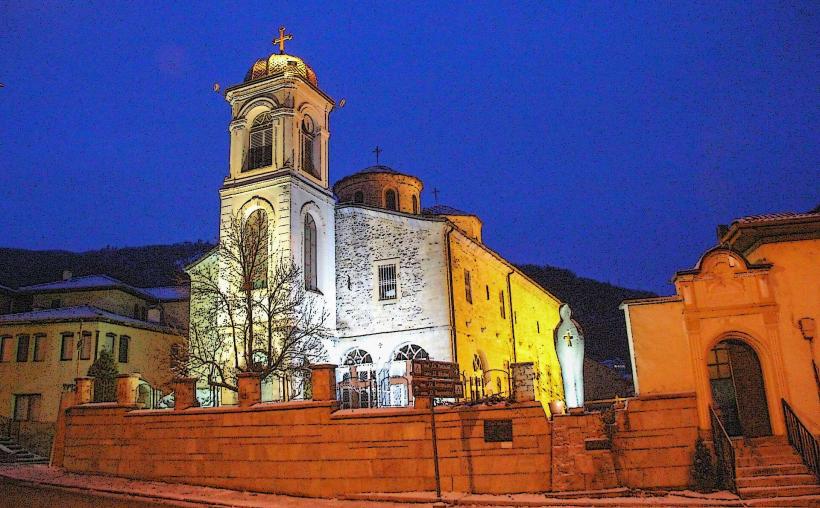
St. Theodore Stratelates Church – 0.2km North
The Arch of the Rhodopes – 2.8km West
Pangulov House – 0.05km North
Smolyan Regional Historical Museum – 3.1km West
The Old Bridge (Ustovo) – 1.2km Southeast