Information
Landmark: Olympos Ancient CityCity: Antalya
Country: Turkey
Continent: Asia
Olympos Ancient City, Antalya, Turkey, Asia
Overview
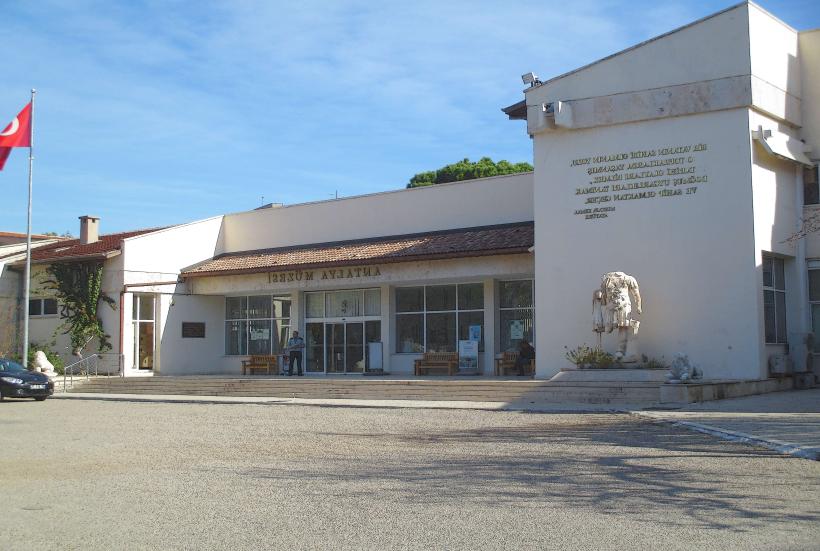
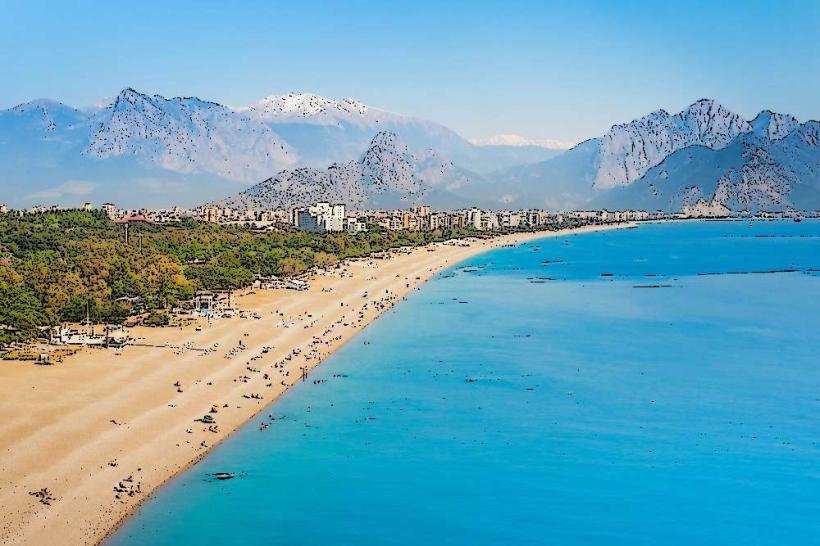
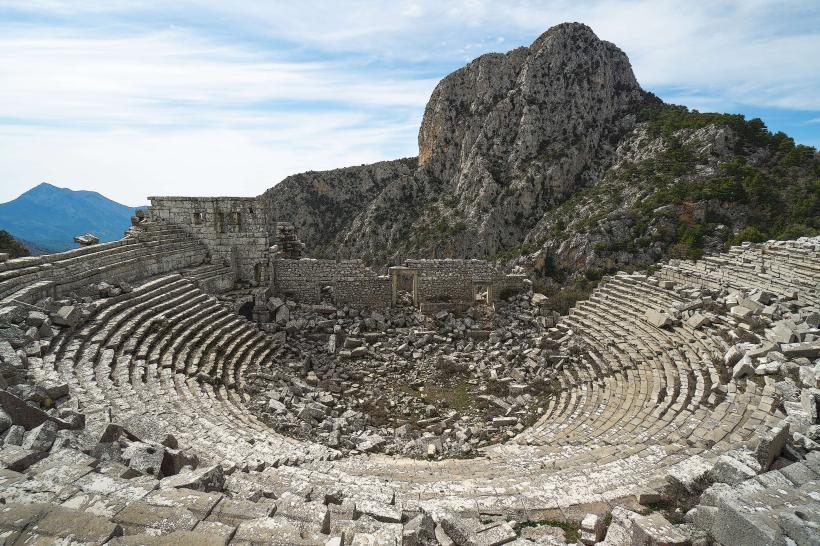
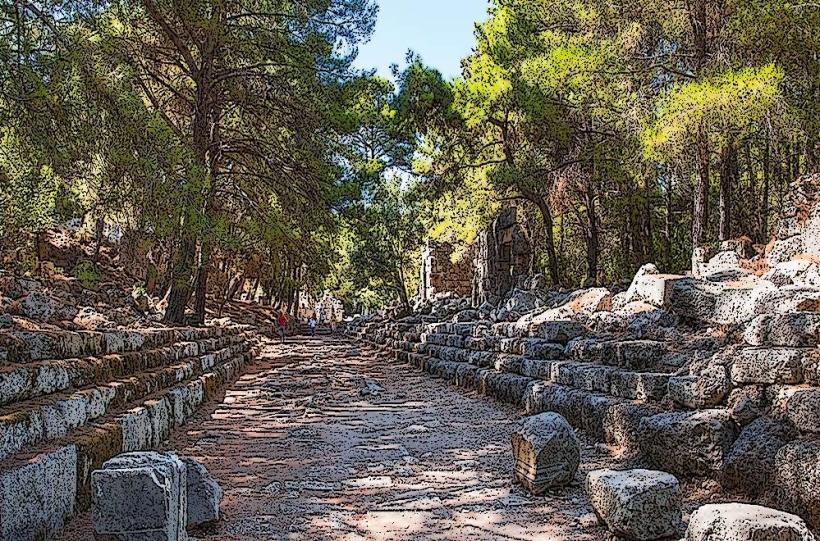
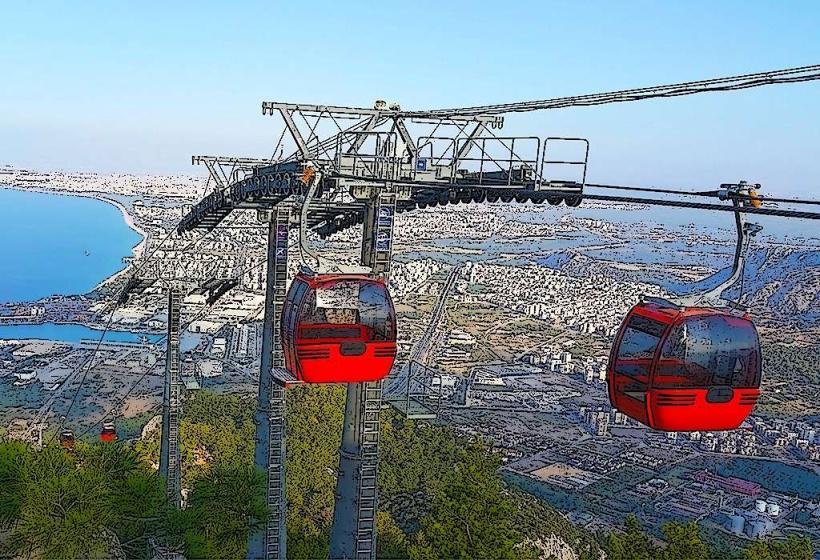
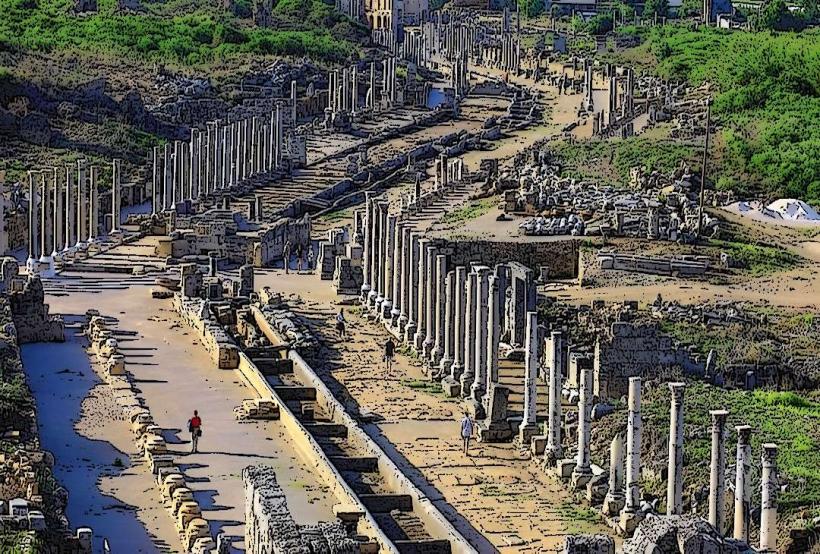
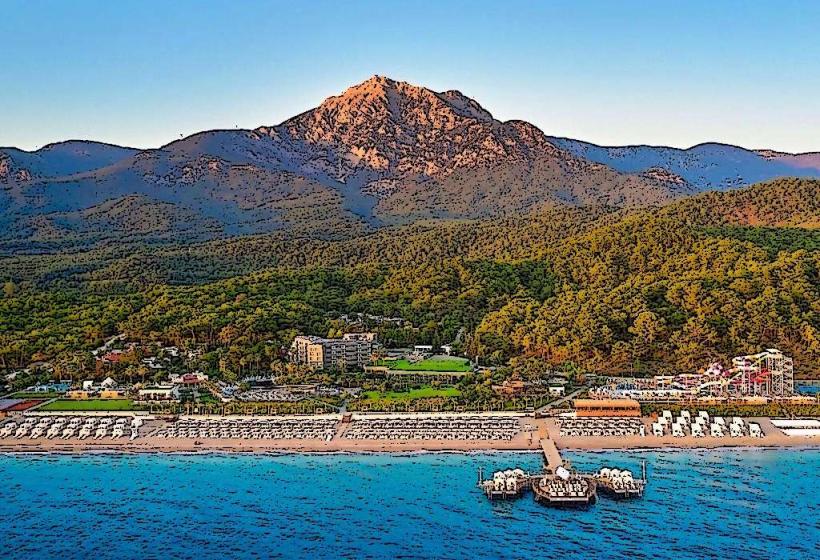
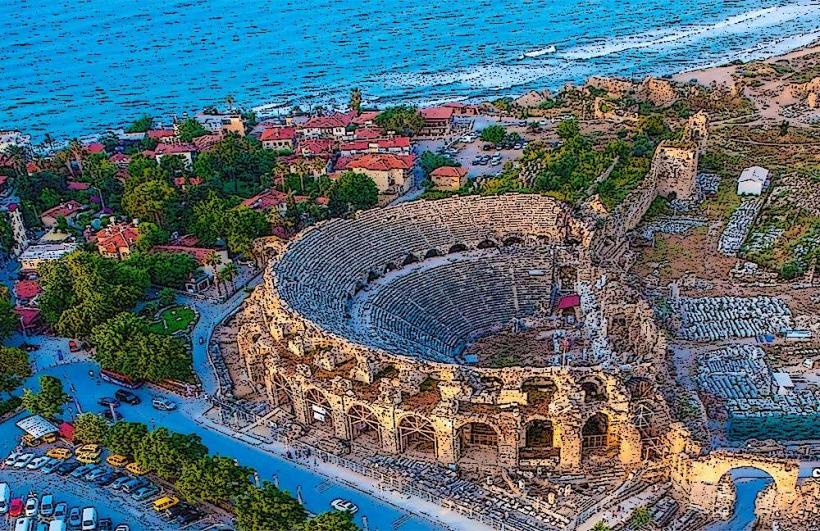
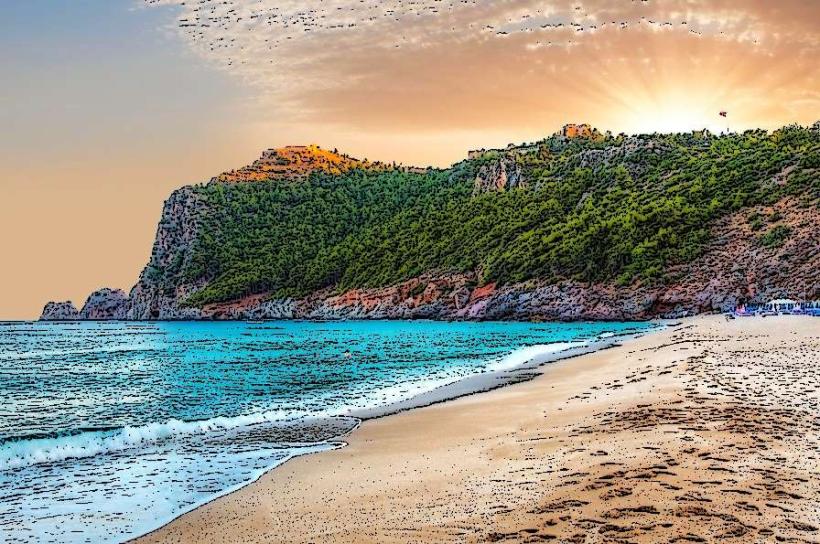
In southern Turkey, not far from the warm sands of Çıralı and the bustling streets of Antalya, lies Olympos Ancient City-a captivating archaeological site where weathered stone walls whisper stories from centuries past, after that it sits at the base of towering Mount Olympos in the Olympos-Beydağları National Park, nestled within the rugged Taurus Mountains.The site’s famous for its deep history, its ruins still standing strong, and the sweep of rugged hills all around, in conjunction with in Olympos, crumbling stone ruins meet wild orange groves and whispering legends, creating a rare mix of history, myth, and stunning scenery that draws visitors from across Turkey.Historical Background of Olympos: This ancient Lycian city rose to prominence long ago, its roots reaching at least as far back as the 5th century BC, when stone streets echoed with the sound of sandal steps, in conjunction with perched on the Mediterranean coast, the city held a prized strategic spot and belonged to the ancient Lycian League, a powerful alliance of nearby cities.The city thrived as a major trade hub, its docks just a short roam from the salty edge of the sea, also it was deeply bound to Greek mythology, with towering Mount Olympos nearby, long believed to shelter the twelve Olympian gods in ancient days.Over the centuries, Olympos fell into the hands of many empires, from the Romans to the Byzantines, who once marched its sun‑baked stone streets, as a result by the 15th century, the city lay empty-left behind after pirate raids, violent earthquakes, and other disasters shook it to its core.Here’s one standout feature of the ancient city of Olympos: 1, also ancient Ruins: In Olympos, crumbling stone walls and weathered archways lie scattered across the site, each one telling a fragment of the city’s long history.Because the city suffered little damage, many of its buildings still stand much as they did decades ago, their stone walls cool to the touch, after that city Walls: You can still spot crumbling stone walls and scattered fortifications around the site, each one hinting at how the city once defended itself.Theater: Among Olympos’s most striking ruins is the ancient theatre, where crowds once gathered under the open sky for plays and public meetings, in addition built into the hillside, the theater seats several hundred people, and from its stone steps you can observe the hills rolling away in every direction.Temple of Hephaestus: The weathered stones mark what’s left of a temple to the god Hephaestus, once believed to be one of the city’s main places of worship, simultaneously in Olympos, the weathered stone remains of Roman baths reveal how the town’s ancient residents relaxed and socialized, steam curling through the air centuries ago.Lycian Tombs: Dozens of rock-cut graves cling to the cliffs around the city, a hallmark of Lycian design, subsequently carved deep into the rock, these tombs reveal the Lycian people’s remarkable skill, with crisp lines and ornate patterns still sharp after centuries.Frankly, Number two, consequently not far from the ruins of ancient Olympos, the Chimaera-called Yanartaş-flickers with minute, eternal flames that spring straight from the rocky ground, somewhat People comprehend it for the eternal flames that flicker day and night from cracks in the dusky, jagged rock, at the same time for thousands of years, these flames have burned steadily, fed by methane seeping through cracks deep in the earth, partially The flames are tied to the myth of the Chimaera, a fire-breathing beast from Greek legend, and they give the location a strange, almost otherworldly glow, in addition you can hike up the steep slope above the ancient city, where the flames dance in the dusk and cast a ghostly glow over the stones.Number three, also olympos sits just steps from a wide, golden stretch of sand that’s part of the tranquil Çıralı Beach.Soft waves and salt in the air give the beach its wild beauty, and its quiet calm draws people looking to unwind, as well as olympos Beach is a peaceful, tucked-away stretch of sand where you can swim in clear water, soak up the sun, and wander among the pine-scented hills.Lush greenery wraps around it, with the Taurus Mountains rising in the distance, creating a peaceful retreat for visitors, moreover number four came next, marked in bold black ink.Hiking and Natural Beauty: Olympos sits inside the Olympos-Beydağları National Park, where pine-scented trails wind through a landscape teeming with wildlife and vivid wildflowers, in conjunction with you can hike winding trails through cool, green forests, follow the rocky coastline with waves at your feet, or climb all the way to Mount Olympos.Rugged mountains wrap around Olympos, inviting nature lovers to wander through shadowy caves, watch wild goats on the slopes, and sip in sweeping views of the glittering Mediterranean coast, to boot five.Olympos is tightly bound to Greek mythology, thanks in large part to its closeness to Mount Olympos-the mist-covered peak the ancients believed housed the twelve Olympian gods, as well as the city takes its name from the mountain, which the ancient Greeks once saw as sacred, a destination where wind carried the smell of wild thyme.As it happens, Hephaestus, god of fire and the forge, ranked among the great deities honored at Olympos, and his temple still stands in weathered stone as an vital archaeological site, on top of that the Chimaera, or Yanartaş, is yet another thread tying the myths to Olympos, its eternal flames flickering against the dim hillside.Legend says the Chimaera was a fearsome beast-lion’s body, goat’s head, serpent’s tail-and its breath could spit fire sweltering enough to scorch stone, subsequently people say the flames that have burned for centuries at Yanartaş are tied to this myth, flickering against the murky stone even on windless nights.Number six sat alone on the page, minute and sharp like a pencil tip, in turn archaeologists digging at Olympos have uncovered pottery still dusted with soil, worn coins, carved inscriptions, and weathered sculptures, all offering vivid glimpses into the city’s history and everyday life.The Antalya Museum preserves many of these artifacts, setting them out under soft lights so visitors can get a vivid glimpse into the ancient city's culture and heritage, furthermore just a short drive from Olympos, Phaselis is another ancient Lycian city, where you can wander among crumbling stone arches and then step onto golden, sun-warmed beaches.Çıralı, a petite village nearby, has a quiet charm-think citrus trees swaying in the breeze-and offers a calm escape from Antalya’s busier resorts.It’s the perfect spot to set out from, whether you’re heading into Olympos or chasing the scent of pine toward other nearby sights, likewise mount Olympos: If you’re up for adventure, hiking Tahtalı Dağı rewards you with sweeping views-pine forests below and the sea glinting in the distance.Believe it or not, The mountain also hosts the Tahtalı Cable Car, carrying visitors smoothly up to sweeping views where the sea glimmers far below, while the ideal time to explore Olympos is in spring, from April to June, or in autumn, from September to November, when the air feels warm but gentle and the narrow lanes stay quiet.It’s the perfect moment to head out for a hike and wander through the ruins, where the stones still hold the day’s warmth, simultaneously in July and August, the heat can press down hard, with the thermometer often climbing past 30°C (86°F).Still, the beach breeze and the cool shade under the pines can make the heat easier to bear, subsequently in the end, Olympos Ancient City blends the thrill of ancient ruins with the kind of lush, sea-scented scenery that stops you in your tracks.You can wander through the crumbling stone arches of an ancient Lycian city, trek along trails that wind past wildflowers and pine, or stretch out on the sun‑warmed sand-Olympos truly has something for everyone, and its meaning in myth runs deep, like the sound of a drum echoing through an ancient hall.
Author: Tourist Landmarks
Date: 2025-09-22