Information
Landmark: Otuoke CreekCity: Yenagoa
Country: Nigeria
Continent: Africa
Otuoke Creek, Yenagoa, Nigeria, Africa
Overview
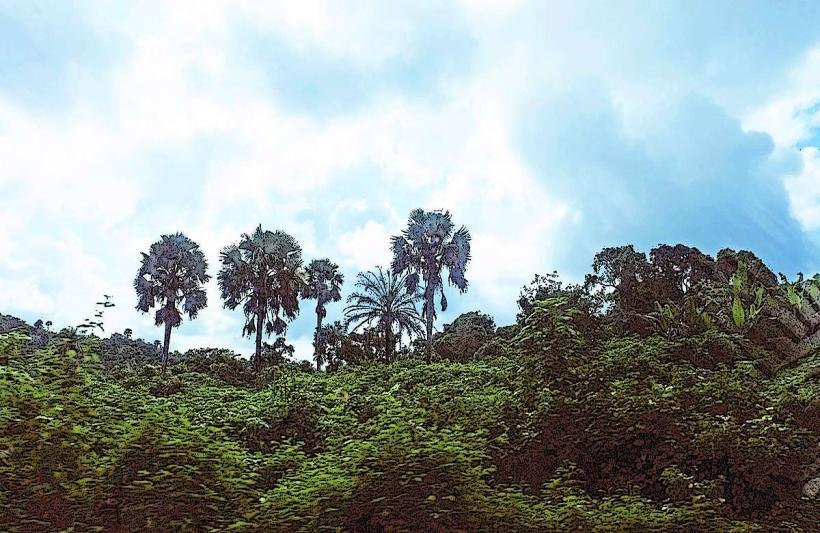
Otuoke Creek, a lifeline of fresh water, flows through the center of Otuoke Town in Ogbia Local Government Area, Bayelsa State, Nigeria, where its surface ripples under the midday sun, equally important this creek winds through a vast web of wetlands, rivers, and estuaries that form the Niger Delta-one of the world’s largest and most diverse delta systems, alive with mangroves and the scent of brackish water.Otuoke Creek winds through the heart of Otuoke, carrying water from nearby Elebele, slipping past Otuaba, and finally joining Kolo Creek near Ogbia Town, as a result topography: The land sits low, barely five meters-about sixteen feet-above sea level, so each rainy season the town and its creek are at real risk of flooding.Truthfully, Hydrological Role: The creek carries runoff away after heavy rains and channels clear water to irrigate nearby fields, after that it helps control heavy rain, sends water into nearby rivers, and keeps the groundwater steady, like a quiet reservoir beneath your feet.The creek winds through a swamp thick with mangroves, a tangled habitat where herons stalk the shallows and countless species thrive, also the creek’s wetlands teem with life-tilapia dart in the shallows, mudskippers flick across the mud, and herons stand motionless in the reeds while kingfishers flash past.Mangroves, raffia palms, and dense swamp forest frame the water, with crabs and mangrove oysters clinging to the roots, furthermore these plants help hold the soil in region, draw carbon dioxide from the air, offer fish protected spots to spawn, give other creatures shelter under their leaves, and carry fundamental benefits for local communities.Local residents, especially the Ijaw-speaking people of Otuoke, rely on the creek for their daily catch, pulling in tilapia and catfish to feed their families, after that people often fish from dugout canoes, casting nets or dropping hooks into the water, kind of Shellfish and smoked fish from the creek end up in nearby markets like Kolo, their aroma trailing through the stalls, besides number two.Along the creek’s banks, the rich, soft alluvial soil is perfect for growing cassava, plantain, yam, and vivid red peppers, in addition farmers often draw creek water to keep their fields alive during the dry season, the hoses glistening under the midday sun.Mind you, Number three, alternatively the creek once carried boats and rafts, a main route for locals before paved roads cut through the valley.Canoes carry people from Otuoke across narrow, muddy creeks to reach the neighboring villages, subsequently the creek holds deep cultural and educational importance, tied to local river deities, ancestral spirits, and age-aged rites-especially during lively festivals or solemn burial ceremonies where incense drifts over the water.Some stretches of the creek are seen as sacred, so locals steer clear of fishing or even dipping their toes in the water, honoring long-held spiritual traditions, also in Otuoke, the Federal University Otuoke (FUO) stands by a quiet creek that often becomes a living classroom for environmental studies, from wetland conservation to the flow of its muddy waters.Facing environmental challenges can feel like standing in a dry wind, searching for solutions that actually work, as a result during the rainy season, usually from June to October, Otuoke Creek swells until muddy water spills into homes, forces families to leave, and ruins the surrounding farmland.The floods in 2022 and 2023 hit hard, splashing across national headlines and even reaching the gates of former President Goodluck Jonathan’s home, meanwhile two.Household trash, farm runoff, and oily residue from upstream drilling have poured into the water, leaving it murky and degraded, on top of that oil spills and illegal refining, known locally as “kpo fire,” have tainted the water and thinned fish numbers, leaving the river’s surface streaked with a greasy sheen.Three, also mangrove forests along the banks have been stripped away, and with their roots gone, the soil crumbles into the water, causing collapses and muddy buildup.The erosion eats away at farmland and puts nearby buildings at risk, cracking soil like dry parchment, as a result to protect Otuoke Creek, we need to monitor its water quality-testing it regularly for pollutants, from cloudy silt after heavy rain to traces of oil.To protect Otuoke Creek, workers build embankments, carve out retention basins, and dredge clogged channels so the water runs clear; neighbors join in through waste-disposal lessons, talks on overfishing, and reminders to guard its fragile ecosystem, while officials crack down on oil spills, illegal dumping, and restore worn banks-because this creek isn’t just water, it’s the pulse of Otuoke, consequently it fuels local economies, shelters a one‑of‑a‑kind ecosystem, shapes the way people notice themselves, and even shows up in classrooms as a focus of environmental study.Without careful oversight, the creek could fade under mounting human activity, shifting weather patterns, and crumbling footbridges, to boot protecting it matters deeply-not just to the people of Otuoke, but as a living symbol of the Niger Delta’s fragile, life-filled wetlands where herons skim the water at dawn.
Author: Tourist Landmarks
Date: 2025-09-23