Information
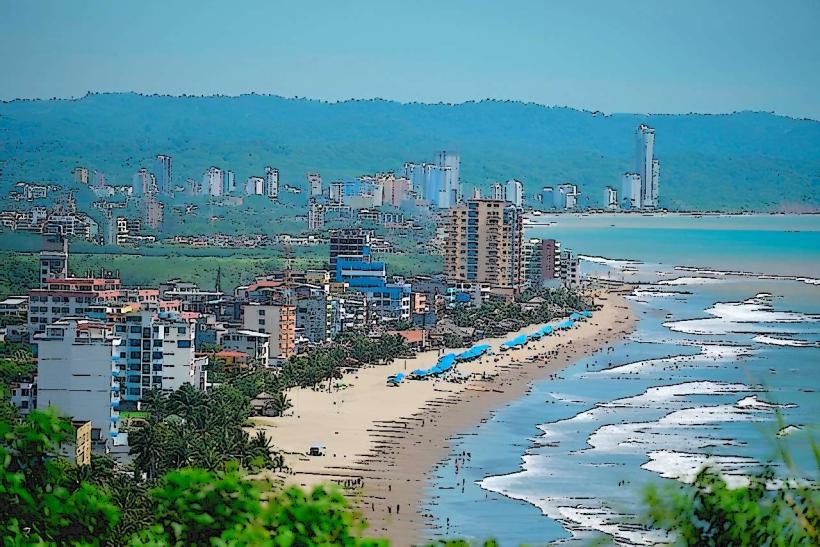
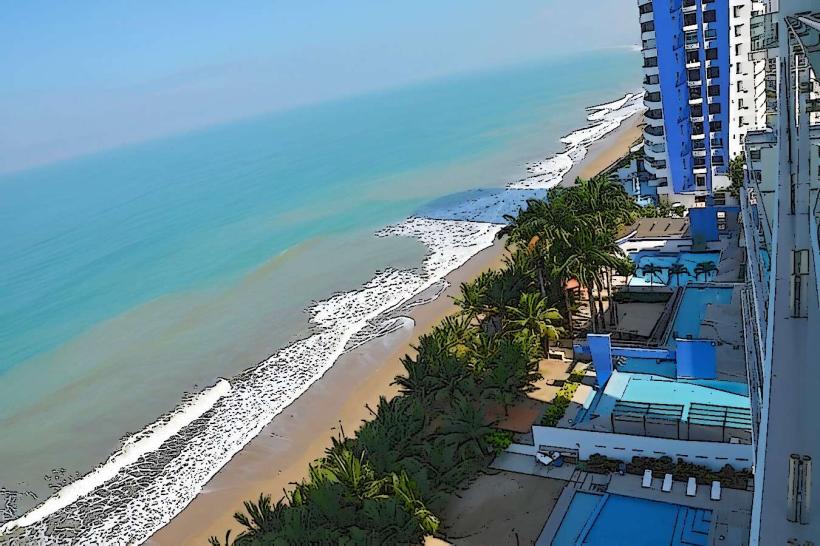
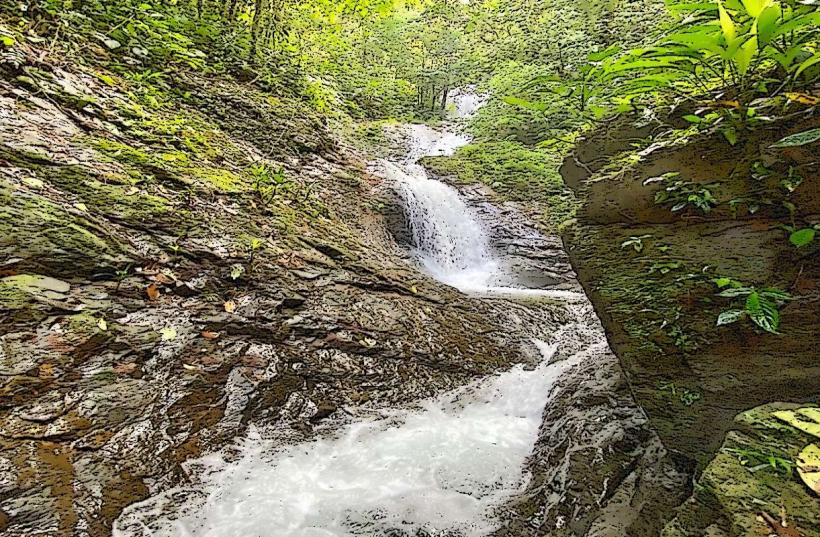
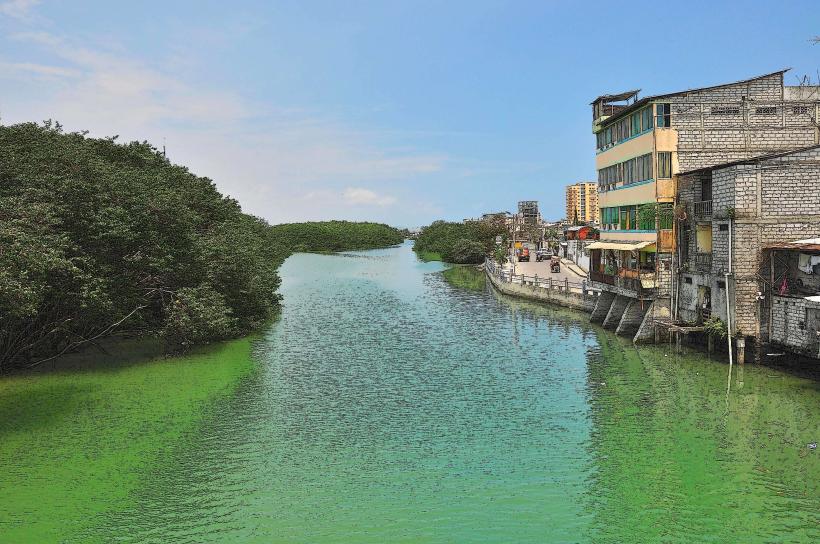
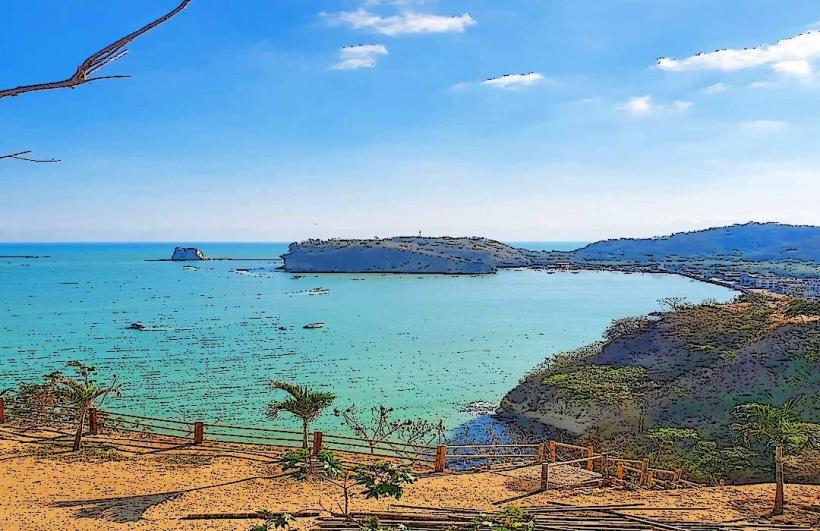
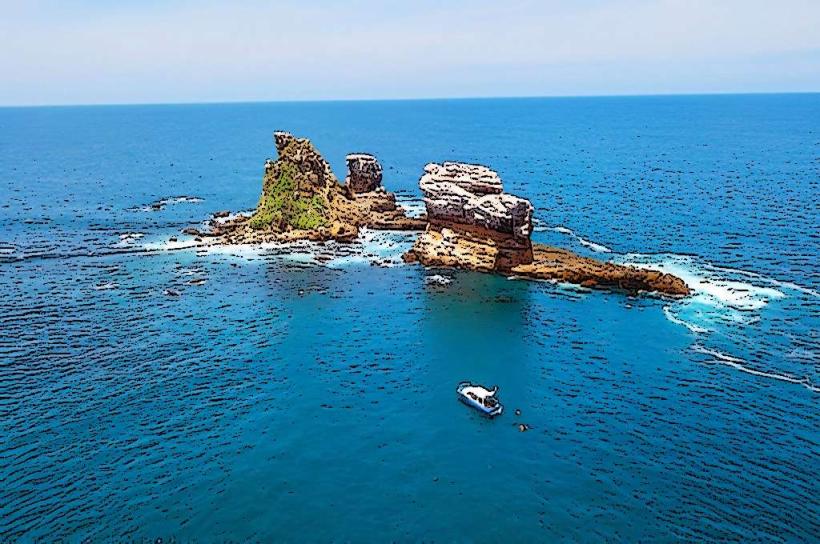
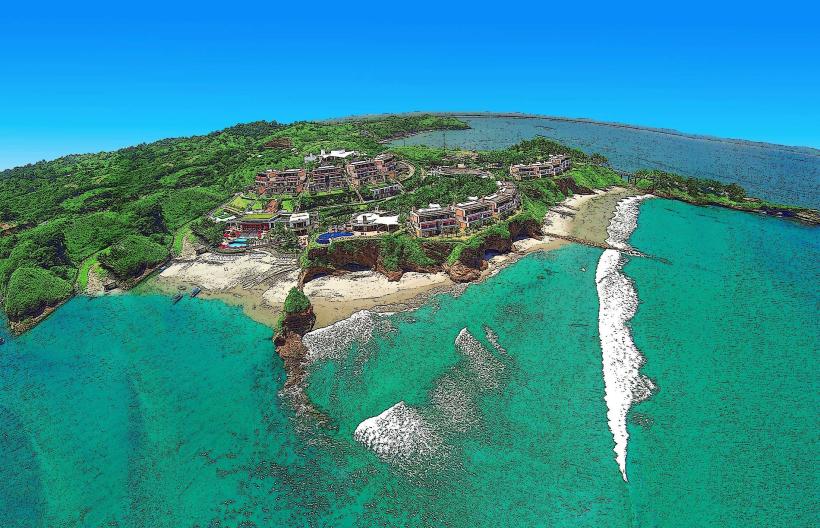
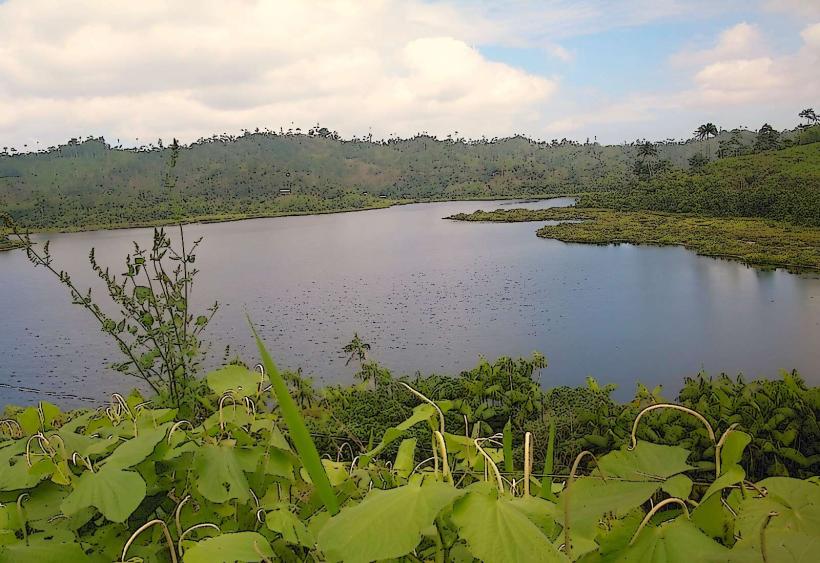
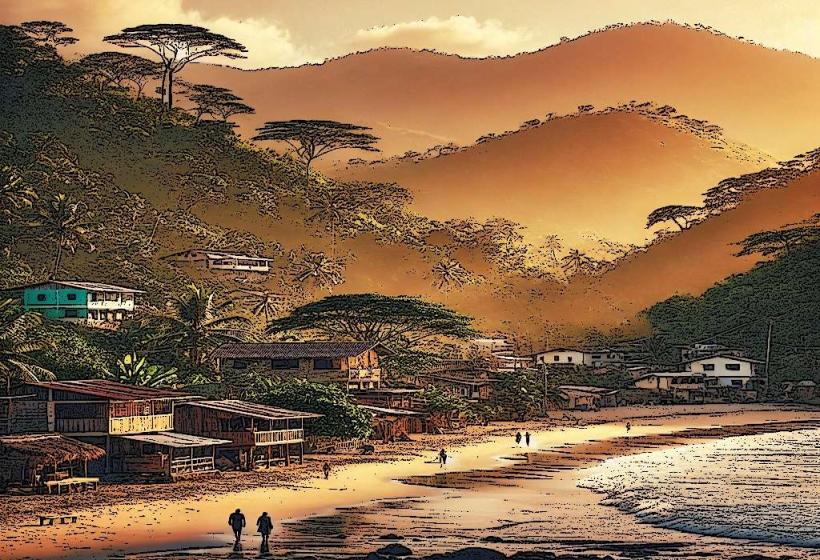
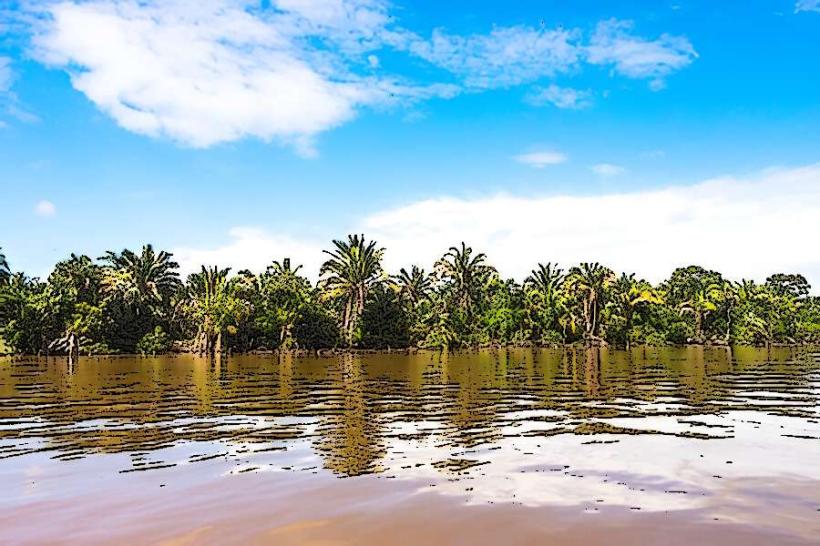
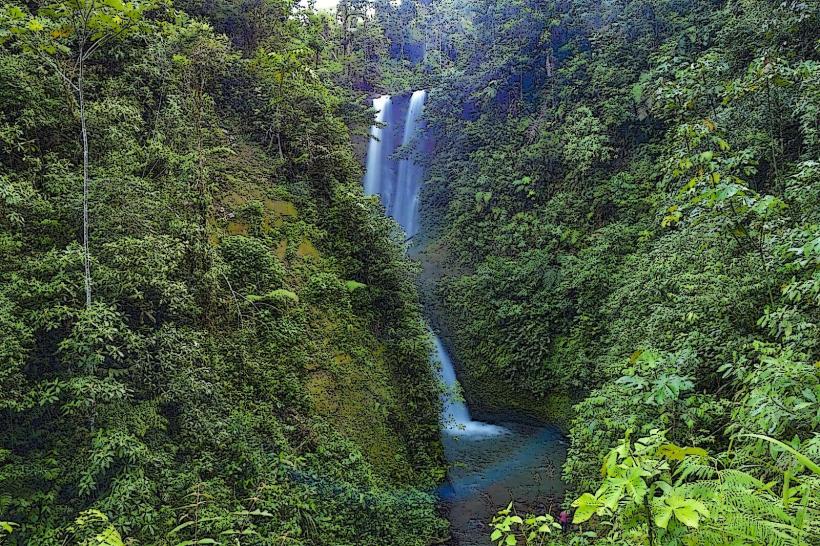
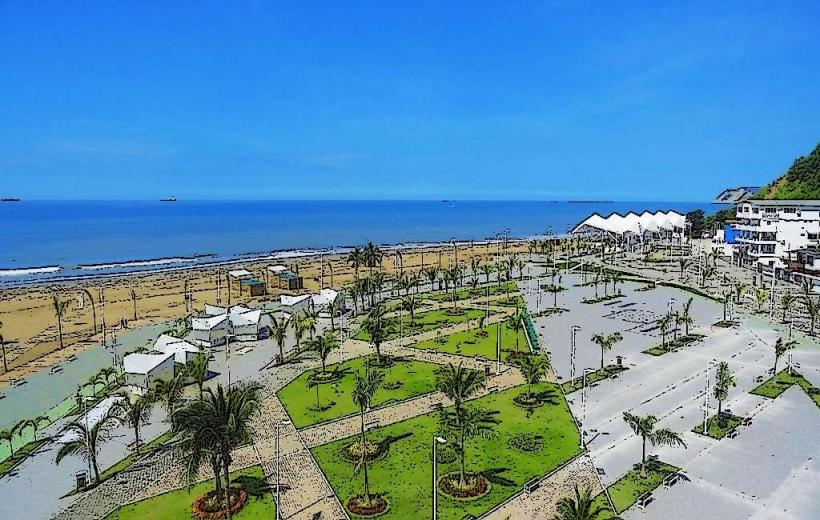
Landmark: Parque Nacional MachalillaCity: Esmeraldas
Country: Ecuador
Continent: South America
Parque Nacional Machalilla, Esmeraldas, Ecuador, South America
The National War Memorial is a monument located in Wellington, New Zealand, commemorating New Zealand's involvement in military conflicts.
Visual Characteristics
The memorial comprises a central tower constructed from granite and concrete, standing 37 meters tall. Its design incorporates elements of Art Deco and classical architecture. The exterior is primarily grey granite, with bronze detailing. A large stone plinth supports the main structure, and the Hall of Memories is situated beneath the tower.
Location & Access Logistics
The National War Memorial is situated at the northern end of the Dominion Museum building on Buckle Street, approximately 2.5 kilometers north of Wellington's central business district. Access is via Buckle Street, with limited on-street parking available in the vicinity. Public transport options include bus routes that stop along Buckle Street, with services from Wellington Station.
Historical & Ecological Origin
Construction of the National War Memorial began in 1928 and was completed in 1932. It was designed by architects William Gummer and Reginald Ford. The original purpose was to commemorate New Zealanders who served in World War I, with subsequent additions to honor those who served in later conflicts.
Key Highlights & Activities
Visitors can access the Hall of Memories, which contains displays and records related to New Zealand's war history. The Tomb of the Unknown Warrior is a significant feature within the memorial. Observation decks within the tower offer views of the surrounding area. Anzac Day services are held annually on April 25th.
Infrastructure & Amenities
Restrooms are available within the Dominion Museum building adjacent to the memorial. Limited shade is provided by surrounding trees. Cell phone signal (4G/5G) is generally available. Food vendors are not located directly at the memorial, but are available in nearby commercial areas.
Best Time to Visit
For optimal lighting for photography of the exterior, late morning or mid-afternoon is recommended. The memorial is accessible year-round during daylight hours. Anzac Day (April 25th) is a significant date for commemorative events.
Facts & Legends
The Tomb of the Unknown Warrior was interred in the memorial on 6 November 2004, representing all New Zealanders who have died in war. The memorial's construction was funded through public subscription and government grants.
Nearby Landmarks
- Museum of New Zealand Te Papa Tongarewa (1.5km Southwest)
- Wellington Botanic Garden (1.8km West)
- Parliament Buildings (2.0km South)
- Victoria University of Wellington (0.8km Northwest)