Information
Landmark: Perak MuseumCity: Taiping
Country: Malaysia
Continent: Asia
Perak Museum, Taiping, Malaysia, Asia
Overview
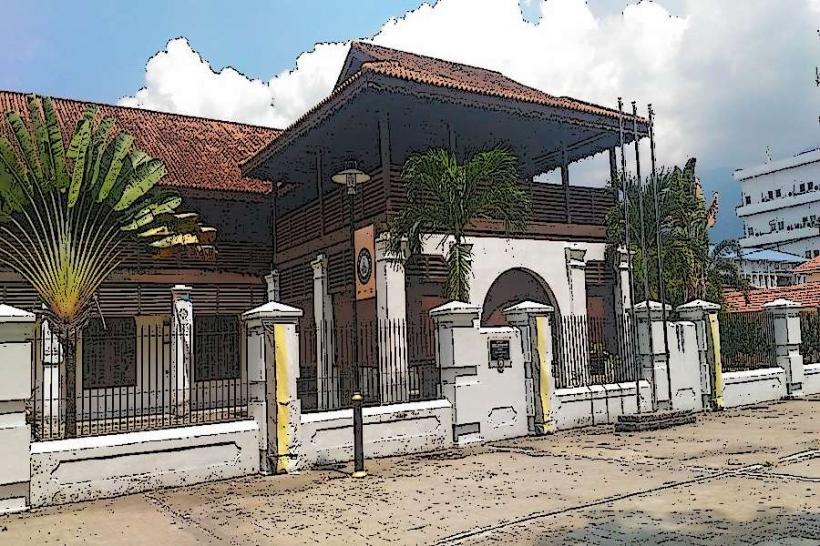
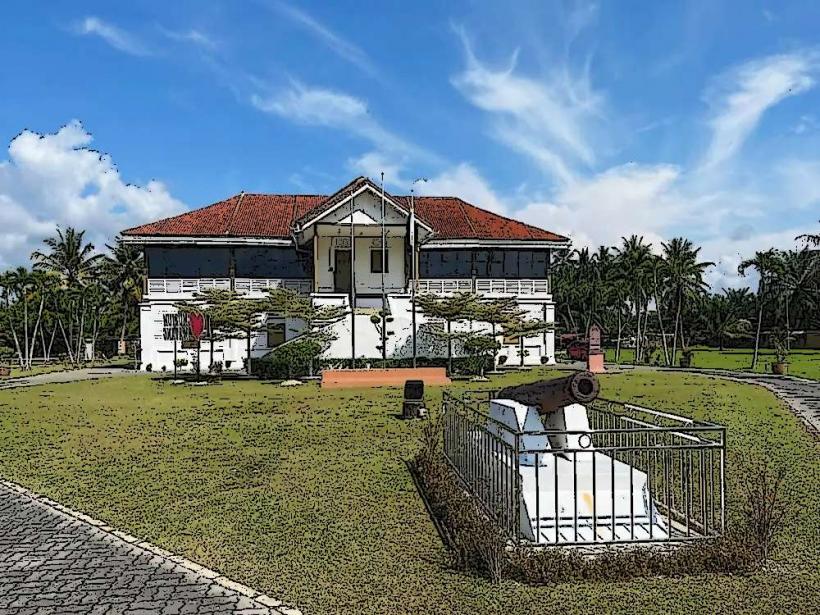
In Ipoh, the capital of Perak, you’ll find the Perak Museum-one of Malaysia’s oldest and most treasured museums, where cool marble floors echo under your steps, equally important the museum brims with artifacts and displays-ancient tools, vibrant textiles, and rare fossils-giving visitors a vivid glimpse into the state’s layered history, lively culture, and wild landscapes.The Perak Museum opened its doors in 1926, during the British colonial era, welcoming visitors to halls lined with polished wooden display cases, moreover they created it to protect and share the state’s cultural, historical, and natural treasures-everything from weathered pioneer journals to rare mountain wildflowers.The museum’s own walls tell a story, standing as a striking example of colonial-era design, with wide verandas and tall shuttered windows, equally important built in the neo-classical style, it rises on broad columns and an airy frame, echoing the era’s grandeur like marble catching the afternoon sun.The museum occupies a former colonial building that once held bustling government offices, its weathered stone steps still echoing the state’s history, along with exhibits and collections, from faded postcards to gleaming glass cases, relatively The museum’s archaeological wing holds a vast collection, from chipped flint tools to weathered clay pots, each piece carrying the weight of centuries, furthermore these artifacts shed light on the first human communities along the Perak River Valley and across the Malay Peninsula.You’ll view displays on Perak’s royal heritage, its bustling tin mines, and life during the colonial years, right down to the worn tools miners once gripped, meanwhile the museum also showcases artifacts from the Sultanate of Perak, from gilded royal regalia to centuries-ancient heirlooms, and one standout stop is the natural history section, where displays bring the state’s lush rainforests and vibrant wildlife to life.In this section, you’ll perceive taxidermied animals ranging from a striped tiger to an elephant and a glossy-feathered bird, consequently the natural history section features displays on Perak’s plants and wildlife, from the misty Belum Rainforest to other critical reserves across the state, almost In another gallery, you’ll find cultural exhibits highlighting the Malay, Chinese, Indian, and Indigenous communities that call Perak home, also visitors can explore the customs, clothing, and everyday life of these communities, then admire intricate Malay kris, delicate Chinese porcelain, and richly woven Indian textiles.An entire wing shines a spotlight on tin mining, a nod to Perak’s long history as one of Malaysia’s biggest tin producers, equally important you’ll find models, tools, and photographs showing how tin mining once fueled Perak’s economy under British rule, along with an array of traditional weapons-keris with their wavy blades, long spears, and gleaming swords used by the people of Perak.These weapons carry the region’s long history of warfare and its deep martial traditions, from the gleam of polished steel to the weight of a battle-worn hilt, in addition key features and highlights include:The Perak Museum’s white columns gleam in the sun, their Victorian design giving the building the quiet elegance of an timeworn-world treasure.The building’s grandeur offers visitors a window into the colonial era, when it was designed to showcase British influence in the region, therefore outside, gardens spill over with tropical plants and tall palms swaying in the warm breeze, partially After wandering through the museum’s exhibits, you can step outside into quiet gardens where the air smells faintly of jasmine, meanwhile inside the Perak Sultanate Gallery, ornate regalia and centuries of royal history bring the story of the Sultans of Perak to life.You’ll observe royal robes heavy with embroidered gold, gleaming crowns, ornate ceremonial pieces, and painted portraits of the rulers, not only that the collection shares the story of the Sultanate of Perak, a cornerstone of the state’s history, and among the museum’s treasures is a fossil display with the ancient bones of giant reptiles and the delicate imprints of long-vanished plants found in the region.To be honest, These fossils reveal glimpses of Perak’s distant past and the lands around it, furthermore you’ll find the Perak Museum right in the heart of Ipoh, a short saunter from Amanjaya Mall, and it’s easy to reach whether you’re driving or hopping on a bus.Interestingly, You’ll find it in a historic part of the city, just steps from the Ipoh Railway Station and the ancient Town Hall with its pale yellow walls; the museum opens daily from 9 a.m, then to 5 p.m. As far as I can tell, They keep the doors shut on Mondays and any public holiday, as a result still, it’s a good idea for visitors to check ahead, since hours can shift during festivals or public holidays, under certain circumstances Admission stays easy on the wallet, with just a petite fee for both locals and travelers, then students can sometimes get special group rates or discounts.So why visit the Perak Museum, on top of that step inside and you’ll trace Perak’s story-from ancient settlements along its rivers to the clang of tin mines and the enduring traditions of the Sultanate, partially It offers a clear picture of the state’s varied cultural traditions and its natural wonders, from sunlit canyon walls to quiet pine forests, to boot families and school groups will love the museum’s mix of exhibits-everything from a glass case of ancient coins to a towering moose display and shelves of colorful cultural artifacts, moderately The museum brings Malaysian history, archaeology, and ethnography to life, offering visitors a chance to handle replica artifacts and explore the stories behind them, meanwhile it’s a valuable source of learning for locals and travelers from abroad, offering insights you might find on a well-worn map in a busy visitor center.In short, the Perak Museum is a region you shouldn’t miss if you want to dive into the region’s history, culture, and natural heritage-right down to the intricate beadwork on display, while the museum packs its halls with variety-ancient coins worn smooth by time, vibrant cultural displays, and fascinating natural history collections-so there’s something here for everyone.With its colonial-era facades, leafy streets, and strong academic presence, it stands as one of Ipoh’s defining landmarks and a treasured cultural asset for Perak.
Author: Tourist Landmarks
Date: 2025-09-12