Information
Landmark: Plaza de la CulturaCity: Santo Domingo
Country: Dominican Republic
Continent: North America
Plaza de la Cultura, Santo Domingo, Dominican Republic, North America
Overview
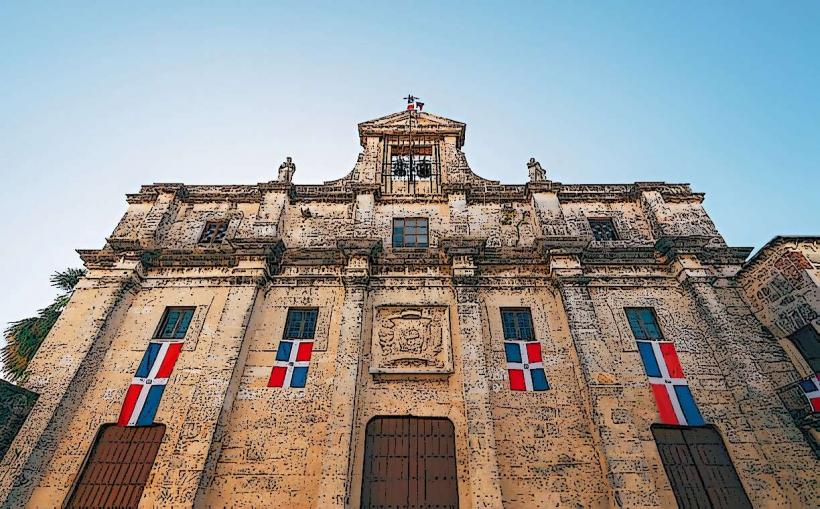
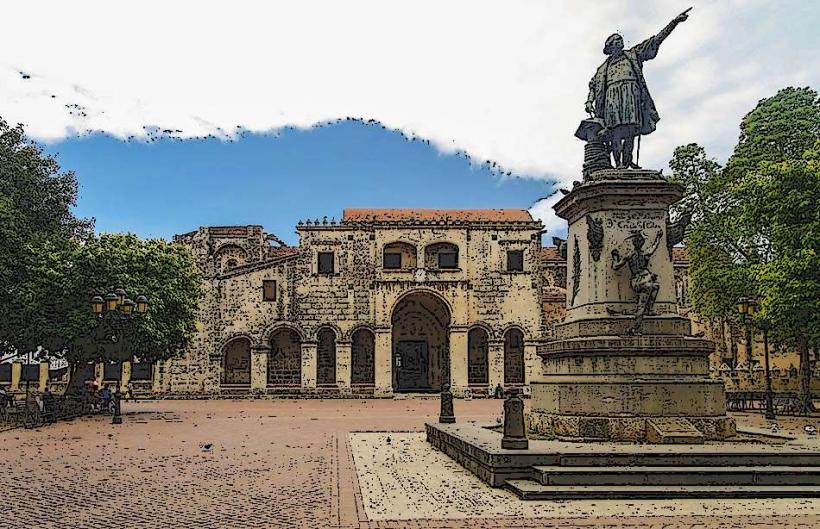
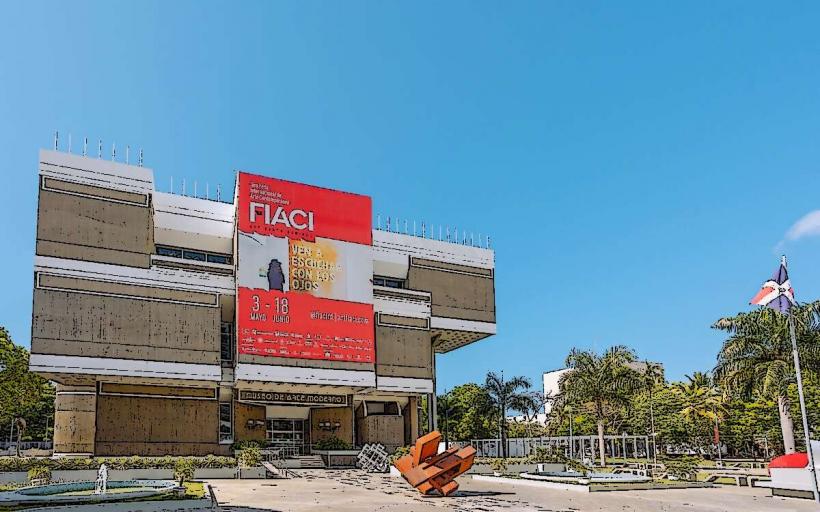
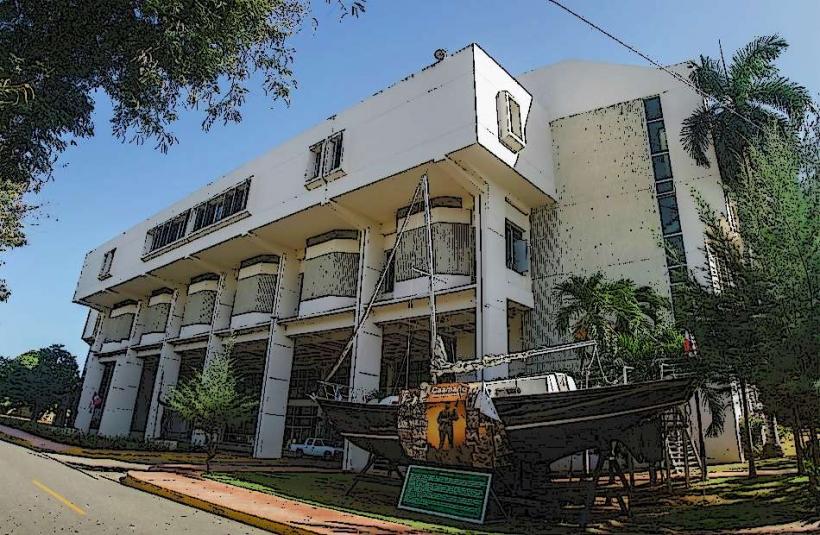
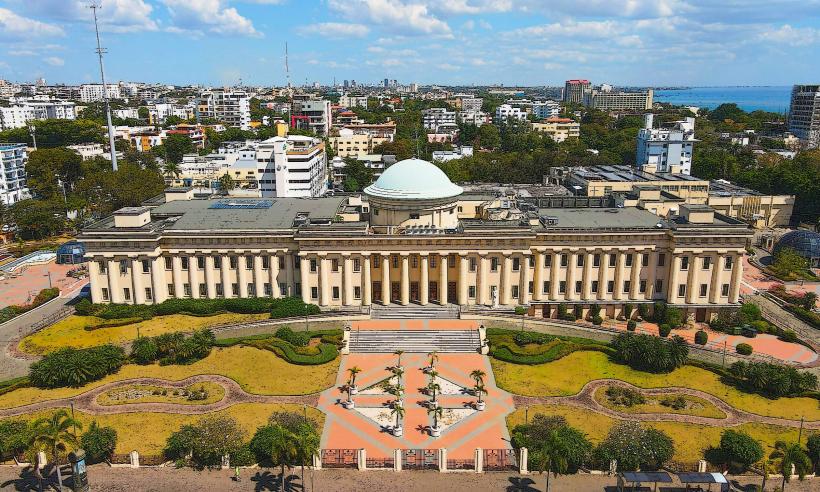
In Santo Domingo, the Plaza de la Cultura Juan Pablo Duarte stands as a treasured landmark, rich with history and alive with the colors and sounds of Dominican culture, and it’s one of the city’s most vital gathering places, a bustling heart where the nation’s cultural life comes alive-music drifting from street performers, voices mingling in the open air.The Plaza de la Cultura isn’t just an open square-it’s alive with museums, theaters, and cultural spaces where you can stand before vivid paintings, trace the country’s history, and feel the heartbeat of the Dominican Republic’s heritage, while the Plaza de la Cultura sits in the heart of Santo Domingo’s Civismo neighborhood, just a short trek from the National Palace and the University of Santo Domingo, where the air hums with street music and chatter, kind of It sits close to major streets, including Avenida 27 de Febrero and the bustling Avenida de la Paz, also the plaza takes its name from Juan Pablo Duarte, a founding father of the Dominican Republic who played a vital role in its fight for independence, his likeness still cast in bronze at the center.Duarte is remembered for leading with bold vision, guiding the Dominican Republic toward independence and the birth of its own flag, in addition the plaza honors the nation’s rich history and culture, from its centuries-historic stonework to the stories carved into every arch.The Plaza de la Cultura houses several key institutions that bring Dominican culture, history, and art to life, from galleries filled with vibrant paintings to museums echoing with the sounds of traditional music, at the same time the plaza boasts several highlights, among them the National Theater (Teatro Nacional Eduardo Brito), a gleaming landmark and one of the Dominican Republic’s most prestigious cultural stages, fairly The National Theater, named for celebrated Dominican tenor Eduardo Brito, stages everything from operas and ballets to theater, concerts, and lively dance recitals, to boot with room for more than 2,000 guests in the grand Carlos Piantini Hall and several smaller spaces, it’s a cornerstone of the nation’s vibrant performing arts scene.Truthfully, Just steps away, the Museum of Modern Art stands as one of the Dominican Republic’s most significant cultural showcases, along with the museum showcases a vibrant mix of modern and contemporary art, with pieces by Dominican and international artists.Believe it or not, You’ll find bold paintings, striking sculptures, vivid photographs, immersive installations, and layered multimedia works, after that all year long, it hosts pop-up exhibitions, lively art festivals, and cultural events that fill the halls with music and color, playing a vital role in preserving the Dominican Republic’s artistic heritage while introducing visitors to global art movements; the National Museum of History and Geography, meanwhile, explores the nation’s history, geography, and natural treasures.The museum holds an array of artifacts, maps, and antique papers that chart the nation’s story from pre-Columbian days to today, in turn you’ll find delicate Taíno pottery, displays on colonial life, and vivid accounts from the independence era.As far as I can tell, Visitors can explore the country’s striking rock formations, rich natural resources, and diverse wildlife, besides inside the cool, book-lined halls of the National Library (Biblioteca Nacional Pedro Henríquez Ureña), one of the nation’s most necessary institutions, its shelves safeguard Dominican literature, history, and cultural memory.The library, named for Pedro Henríquez Ureña-the celebrated Dominican writer, scholar, and thinker-holds shelves of worn books, fragile manuscripts, and rare documents that trace the country’s culture and history, on top of that the library is a vital hub for researchers, students, and anyone curious about the world, offering not only books but also lively literary events, thought-provoking lectures, and bustling book fairs.At one end of Plaza de la Cultura stands the Dominican Republic’s National Pantheon, its cool stone halls honoring many of the nation’s heroes laid to rest there, in conjunction with the Pantheon, rich with history, honors those who fought for the Dominican Republic’s independence and freedom, slightly often Inside its cool, echoing halls rest the remains of figures like Juan Pablo Duarte, Francisco del Rosario Sánchez, and Juan Alejandro Acosta, among others, consequently this national monument stands as a destination to reflect on history, its stone walls holding stories of the past.Plaza de la Cultura bursts to life year-round with music festivals, art shows, and open-air performances, from the shimmer of painted canvases to the hum of a guitar in the evening air, therefore the open-air plaza draws both locals and visitors, its statues, fountains, and blooming gardens inviting people to linger in the shade.At its heart rises the Juan Pablo Duarte Monument, honoring the founder of the Dominican Republic, after that the monument rises tall and commanding, with a statue of Duarte clutching a weathered scroll that marks the fight for independence.Actually, It stands as a tribute to his legacy and the history he shaped, furthermore nearby, Plaza de la Cultura buzzes with concerts, dance, and theater, the air often carrying the rhythm of drums or the swell of a live orchestra.From what I can see, The National Theater hosts many of these events, drawing in artists from nearby neighborhoods and far-off cities alike, and public spaces and relaxation come together in the plaza, where broad walkways open under the shade of tall oaks, and the trickle of a fountain mingles with the quiet beauty of scattered sculptures, partially Crowds come to wander the gardens, pause beside the trickling fountains, or sink into a shaded bench for a quiet rest, on top of that if you want to dive into the Dominican Republic’s history, culture, and art, the plaza’s museums and cultural centers are a great destination to start-step inside and you might find yourself standing before a centuries-aged painting or a weathered colonial map.Visitors can dive into the nation’s rich heritage by joining guided tours, wandering through vibrant exhibitions, or catching a lively cultural event, also food and Souvenirs: Just steps from the plaza, you’ll find cozy cafés, lively restaurants, and open-air food stands serving savory Dominican dishes or quick bites like warm empanadas and icy drinks, sort of You’ll also find tiny shops selling souvenirs-books with luminous island photos, hand-carved crafts, and colorful artwork that celebrates Dominican culture, equally important most museums and cultural spots around Plaza de la Cultura open their doors at 9:00 a.m. And close by 5:00 p.m, though you might find one or two that keep the lights on a little later, while before you head out, check each site’s hours-some close early, and you don’t want to find the doors locked.At the Plaza de la Cultura, most museums charge a modest admission fee, though on certain days-or if you’re a student or senior-you might stroll in for free or at a discount, in addition some special events or exhibitions might cost extra-like a photography show that asks for a minute entry fee, occasionally Getting there’s simple-Plaza de la Cultura sits right in the heart of Santo Domingo, just steps from busy streets lined with coffee vendors.
Author: Tourist Landmarks
Date: 2025-09-08