Information
Landmark: Port RoyalCity: Kingston
Country: Jamaica
Continent: North America
Port Royal, Kingston, Jamaica, North America
Overview
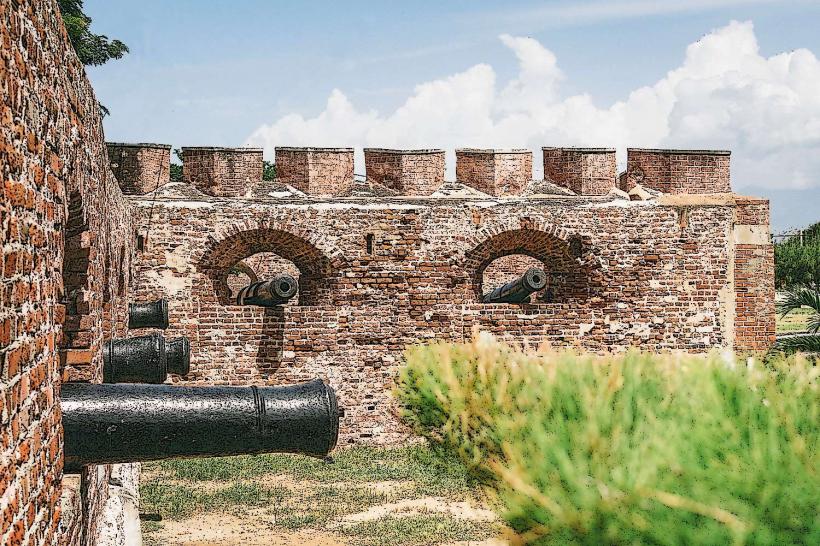
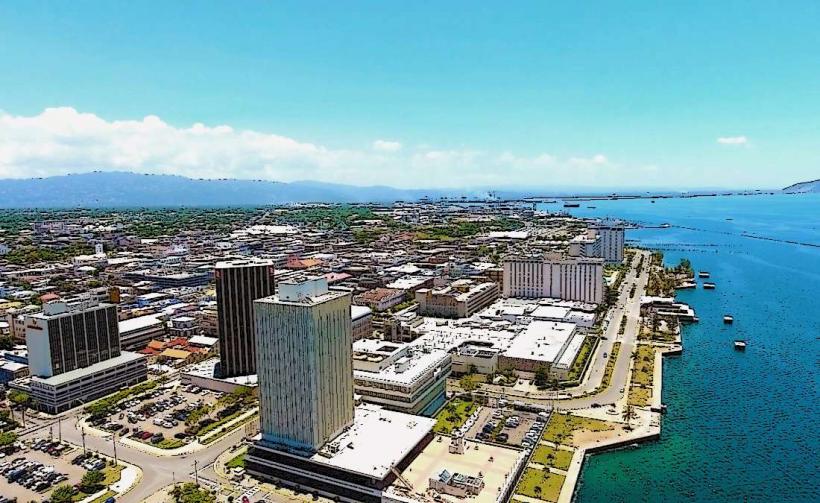
Port Royal sits at the tip of the Palisadoes Peninsula, where the narrow strip of sand reaches into Jamaica’s Kingston Harbour, in conjunction with once called the “wickedest city on earth,” it carries a vivid, storm-tossed history tangled with pirates, colonial rule, and the fury of earthquakes and hurricanes.Actually, Today, Port Royal stands as a major archaeological site and cultural treasure, where visitors can peer into Jamaica’s vibrant past and imagine the creak of timeworn wooden ships in its harbor, to boot port Royal took shape in the late 1600s, not long after English settlers arrived in Jamaica, fresh from seizing the island from Spain in 1655.Within a few short years, it grew into a bustling Caribbean port, alive with the scent of salt and spice, and served as the British Royal Navy’s regional base as well as a vital link in transatlantic trade, alternatively by the late 1600s, Port Royal had earned a fierce reputation as a haven for pirates and privateers, under certain circumstances Close to the busy shipping lanes, it offered pirates a prime spot to strike, with sails often appearing on the horizon by midday, in addition famous pirates like Sir Henry Morgan and Blackbeard once roamed the town, turning it into a noisy hub of smuggling and trade.Their crews packed the taverns, the smell of rum heavy in the air, as they unloaded stolen goods from freshly plundered ships, then the city earned a reputation for wild excess, and its residents’ riches were the stuff of legend.Pirates and privateers prowled the harbor, seizing gold coins and silks from Spanish galleons and other European ships, swelling the city’s coffers, also still, its wild reputation drew the eyes-and ambitions-of rival colonial powers.Then, on June 7, 1692, the ground heaved and split beneath Port Royal, as a devastating earthquake struck and sealed its fate, in turn the earthquake sent much of the town sliding into the sea, and whole blocks of Port Royal crumbled straight into the dim waters of Kingston Harbour.Roughly two-thirds of the town lay in ruins, in conjunction with the earthquake, followed by towering tsunamis, swallowed buildings in clouds of dust and debris, ending Port Royal’s golden age of wealth and piracy.The disaster claimed many of its most infamous residents, leaving the site eerily empty in its wake, in conjunction with though the city rose again over the years, it never regained its historic glory, and much of its past now lies hidden beneath the waves, relatively Today, Port Royal stands as a vital archaeological site, where divers sift through coral-crusted relics underwater and crews on land uncover streets from the city’s bustling past, on top of that beneath the waters of Kingston Harbour, divers have uncovered sunken buildings from the devastating 1692 earthquake, and each season’s dig brings up more relics from Port Royal’s pirate days.Coins glint with tarnished silver, rusted cutlasses sleep in the silt, and pieces of pottery hint at meals long finished, consequently the most remarkable discovery is the Port Royal Shipwreck, astonishingly intact after more than three centuries and ranked among the world’s best-preserved 17th‑century vessels.Today, visitors can still saunter among the crumbling fort walls that once guarded the city against pirates and foreign fleets, in addition Fort Charles stands as a key piece of history, its weathered cannon still aimed at the harbor’s blue water.As it happens, In the late 1600s, the English built the fort to guard the city, its cannons once trained on the harbor’s mouth, what’s more on the western tip of the peninsula stood Fort James, another stronghold shielding Port Royal, perhaps Today, visitors can still wander through its crumbling ruins, the scent of salt lingering in the air, and just nearby, the Port Royal Museum offers a must-detect stop for anyone eager to uncover the town’s history, as a result inside the museum, you’ll find weathered maps, rust-speckled artifacts, and vivid displays tracing Port Royal’s journey from a pirate haven to the bustling region it is today.Exhibits bring to life tales of swashbucklers, the colonial era, and the devastating earthquake of 1692, offering a clear picture of why this town matters to Jamaica and the wider Caribbean, meanwhile beyond the museum, some buildings that withstood the quake still stand-like St. Peter’s Church, built in the 1600s and among the oldest in Jamaica-and the Giddy House, its floor forever slanted as if the earth froze mid-lurch, simultaneously now a popular stop for visitors, it offers a rare glimpse into the geological upheaval that transformed the land, along with Port Royal Beach-a peaceful stretch of sand where you can watch the harbor glint in the afternoon sun and the coastline curve away into the distance, kind of After wandering through the ancient forts and cobblestone streets, you can sink into the warm sand by the Caribbean Sea and let the sound of the waves wash over you, after that port Royal stays open to visitors during the day, though places like the museum and Fort Charles keep their own set hours.Check the opening hours for each site before you go, equally important port Royal sits at the tip of the Palisadoes Peninsula, just a short drive from Kingston’s Norman Manley International Airport, where the sea breeze carries the scent of salt.You can get there by car, taxi, or even a compact boat skimming across the bay, and it’s an easy trip from the capital, subsequently there’s a slight entrance fee for places like the museum and the classical stone fortifications.You might have to pay extra for a guided tour, and in the end, Port Royal stands as a remarkable piece of history, pulling you into Jamaica’s colonial past, the whispers of pirate legends, and the raw power of the earthquake that forever changed its shores.Beneath the waves lie crumbling stone walls and aged forts, and the museum upstairs holds artifacts steeped in Jamaica’s past-making it a must-notice for anyone eager to explore the island’s rich history and culture, in turn this setting offers a glimpse into the island’s pirate past and stands as a stark reminder of how the Jamaican people have weathered disaster, like ships battered but still afloat after a raging storm.
Author: Tourist Landmarks
Date: 2025-09-14