Information
Landmark: Regional Museum of HistoryCity: Yambol
Country: Bulgaria
Continent: Europe
Regional Museum of History, Yambol, Bulgaria, Europe
Overview
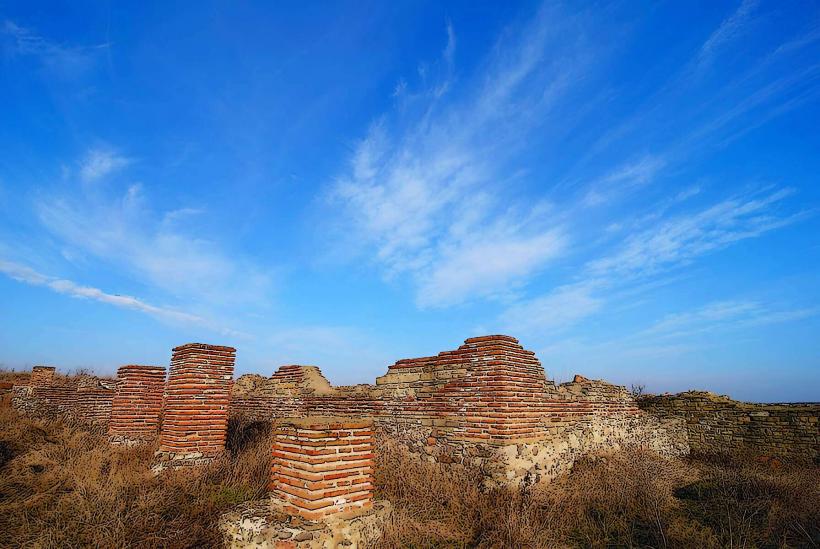
In Yambol, Bulgaria, the Regional Museum of History preserves the area’s rich heritage, from ancient pottery still dusted with the soil it was found in to centuries-vintage manuscripts, and at the museum, you can explore Yambol’s history, archaeology, and ethnography, with artifacts on display-from weathered stone tools to delicate embroidered cloth-that preserve the story of the town from ancient days to today.The museum opened its doors in 1967, aiming to collect, preserve, and share artifacts that tell the story of the Yambol region-like worn leather saddles from its early trade days, simultaneously the museum acts as both a learning hub and a research space, celebrating the region’s cultural identity and deepening the study of Bulgarian history.Inside, the Regional Museum of History hosts permanent and rotating exhibitions that span centuries, from the worn tools of ancient civilizations to artifacts from pivotal moments in modern times, to boot the museum showcases a vast range of archaeological treasures, mapping the region’s story from prehistoric days through Roman, Byzantine, and Ottoman times, with standout pieces from the Kabile Archaeological Reserve-fragments of Thracian pottery, Roman tools, and medieval relics whispering of vanished lives.Funny enough, It also brings to life the traditions, customs, and everyday routines of the Yambol people, then you’ll find exhibits of embroidered folk costumes, worn wooden tools, everyday household pieces, and farming traditions.The museum’s historical collection traces Bulgaria’s past through the Ottoman occupation, the National Revival, and the hard-fought battles for liberation, simultaneously it takes you deep into Yambol’s past, showing how the town shaped pivotal moments in the nation’s story, from dusty archives of early struggles to exhibits on modern times, including the Communist era and the shifts that followed, in some ways The Regional Museum of History in Yambol traces the city’s journey and its people through the 20th and 21st centuries, while also displaying vibrant art collections-paintings by local artists and artifacts reflecting the region’s creative spirit, besides you’ll find striking remnants from the ancient Thracian settlement of Kabile, from clay vessels still etched with delicate patterns to bronze weapons and solemn funerary items, in some ways Religious icons, ornate church vessels, and other liturgical pieces illuminate centuries of spiritual life, furthermore exhibits on the Ottoman era and the National Liberation struggles tell stories of uprisings and the fight for independence.Through it all, the museum stands as a guardian of Yambol’s cultural heritage, and it’s a hub for learning and research on the region’s past, offering rare maps, dusty archives, and other valuable resources to students, scholars, and anyone curious about Bulgarian history and culture.The museum offers hands-on workshops, engaging lectures, and short-run exhibits that bring historical and cultural topics to life, like the faint scent of parchment in a manuscript display, consequently it partners with other museums, universities, and cultural groups to grow its research and collections, adding to wider historical and archaeological studies.From what I can see, Exhibits are refreshed often with the latest discoveries, keeping the space lively and up to date, therefore it also hosts cultural events-everything from miniature art shows to lively music nights-making it a key gathering locale in the region.As far as I can tell, The Regional Museum of History in Yambol plays a key role in keeping the area’s past alive, from ancient coins to embroidered village costumes, and sharing its rich stories with the community and beyond, along with it offers a rich glimpse into the area’s ancient past, vibrant traditions, and long history, drawing visitors who want to understand southern Bulgaria’s heritage-right down to the worn stones of its oldest streets., roughly
Author: Tourist Landmarks
Date: 2025-09-01