Information
Landmark: Sichuan OperaCity: Chengdu
Country: China
Continent: Asia
Sichuan Opera, Chengdu, China, Asia
Overview
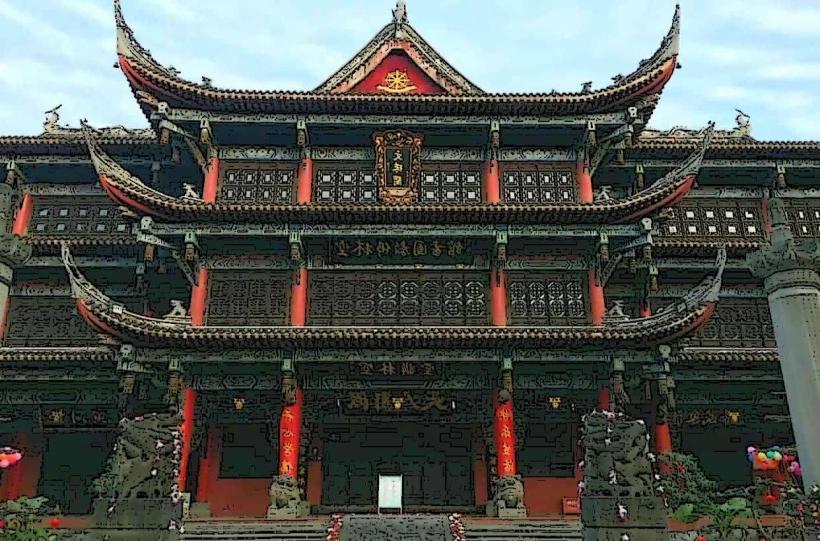
Sichuan Opera (四川戏曲), a centuries-timeworn style of Chinese theater born in Sichuan Province, ranks among the country’s most celebrated regional operas, known for its vivid masks and lightning-expeditious face changes, likewise sichuan Opera bursts with color and energy, blending unique vocal styles with ornate silk costumes, and it’s most famous for the lightning-brisk face-changing act, Bian Lian.This one-of-a-kind art form is woven into Chengdu’s culture, cherished for its centuries-timeworn roots and the breathtaking precision-like the swift flick of a painted fan-that captivates audiences around the globe, alternatively let’s take a closer glance at Sichuan Opera, starting with its first act.Historical Background: Sichuan Opera has thrived for over 300 years, first taking shape in Chengdu and the nearby towns of Sichuan, where shining banners once fluttered above crowded market stages, and people believe it grew out of older regional Chinese operas-like the graceful Qingyi or the lively Huqin-woven together with the sound of village drums, folk tunes, and colorful theatrical flourishes.Sichuan Opera flourished during the Qing Dynasty (1644–1912), shaped by the lively markets, festivals, and rich cultural life of the era, consequently over time, the opera evolved into a unique regional style, blending vivid, costume-rich performances with an array of dramatic techniques.Bashu culture, steeped in the history and timeworn festivals of Sichuan, also left its mark on Sichuan Opera, and it drew on Sichuan’s own folk songs, village legends, and everyday themes that spoke to the people there.Number two, as a result sichuan Opera often brings to life Chinese myths, legendary heroes, dramatic moments from history, and village tales whispered by firelight.As it turns out, They often weave in love, fierce battles, steadfast loyalty, and moments of bitter betrayal, meanwhile the performances bring to life historical figures from the Three Kingdoms era (220–280 AD), including Liu Bei, Guan Yu, and Zhuge Liang-heroes often seen striding the stage in Chinese opera, their robes swaying with each step.In Sichuan Opera, the music blends the radiant clang of traditional Chinese gongs with the earthy tones of local folk instruments, as a result key instruments include the erhu, a two-stringed fiddle with a voice like a sigh; the radiant, nimble pipa; the shimmering guzheng; the airy dizi bamboo flute; and drums and gongs that crash to heighten dramatic moments.The singing in Sichuan Opera stands apart, weaving together a range of vocal techniques that can swell with raw emotion or ring out sharp and loud, alternatively singers switch between falsetto and head voice to hit vivid, powerful high notes that ring like a clear bell.Singers often shift their voices to carry you from a dazzling, laughing note to a low, trembling one, moving effortlessly between joy, sorrow, calm, and anger, after that number three.**The Art of Face-Changing (Bian Lian) : Face-changing is the most iconic feature of Sichuan Opera, where performers switch their masks in the blink of an eye.The Art of Face-Changing (Bian Lian) is the signature spectacle of Sichuan Opera, with performers swapping one vivid mask for another in the blink of an eye, likewise bian Lian (变脸), a captivating art, reveals a character’s emotions or identity in an instant-like a mask flipping to red in the heat of a furious outburst-often in the heart of a tense, dramatic moment.Performers change masks in a flash, using guarded tricks-like whipping one away mid-step or swapping it with a flick of the wrist, as a result use props or quick hand gestures to hide the moment you swap the mask.Performers often stack several masks, one over another, so they can swap faces in a heartbeat, after that in Sichuan Opera, Bian Lian is a fiercely protected secret, and mastering it is among a performer’s greatest achievements-imagine a painted mask vanishing in the blink of an eye.It takes years of practice, with each technique handed down by word of mouth-one teacher leaning in to show a student exactly how it’s done, also dramatic music swells as the performer swaps masks in a blur of movement, each step and turn pulling the audience deeper into the moment.As far as I can tell, Number four, in addition xiqu refers to traditional Chinese opera, and in Sichuan, the word covers both grand stage productions and lively street shows where cymbals clash and colors flash.You know, You might view anything from a quick five-minute skit to a sweeping opera that unfolds over several acts, also puppet and Shadow Plays: Alongside live performances, Sichuan Opera sometimes weaves in puppetry or flickering shadow plays, merging classic stagecraft with the rich imagery of visual storytelling.Sichuan Opera dazzles with acrobatics-martial arts, soaring leaps, and intricate choreography that drives the drama forward, after that the performers might break into intricate hand-to-hand bouts or clash steel with a sharp ring, showing off their strength, quickness, and precision.Number five stood out, like a glowing red mark on a white page, furthermore in Sichuan Opera, costumes burst with vivid colors and intricate patterns, revealing a character’s rank, temperament, and the era of the tale-sometimes with a sleeve shimmering like silk in candlelight, generally As far as I can tell, Some costumes burst with color, shimmering in embroidered silk stitched with gold thread, not only that the performers wear elaborate headpieces-feathers, beads, and sparkling cloth-that are at the heart of both their costumes and their identity.Makeup: As in other kinds of Chinese opera, Sichuan Opera actors paint their faces in bold, intricate designs to bring each character to life, in addition color carries meaning here: red stands for loyalty and courage, like a bold flag snapping in the wind.Black stands for people with a hard edge or a will that won’t bend, like a face set in stone, then white often marks a character as treacherous or cruel, like a smile that’s just a little too sharp.To be honest, Gold and silver stand in for gods or otherworldly beings, shining like coins warmed by the sun, and performers rely on bold, stylized movements-sharp hand flicks, darting eyes, a tilt of the head-to convey emotions and actions, with every gesture carrying its own precise meaning.Mind you, Number six, along with sichuan Opera boasts a long line of celebrated actors and actresses, and in Chengdu you’ll find several troupes-like the Chengdu Sichuan Opera Company-along with smaller regional groups keeping the art alive, their bold masks flashing under stage lights.It seems, Today, Sichuan Opera has left its mark on other regional styles of Chinese opera, and a few of its stars-faces painted in vivid red and gold-have earned national fame, simultaneously seven.If you’re in Chengdu, head to Shufeng Yayun Teahouse, where you can watch live Sichuan Opera-complete with the dazzling Bian Lian face-changing act, masks snapping into fresh expressions in the blink of an eye, to boot while sipping fragrant oolong during a traditional Chinese tea ceremony, visitors can watch an opera unfold just a few feet away-an experience as rare as it is immersive, relatively Just so you know, At the historic Qingyang Taoist Temple, you might catch a live Sichuan Opera, the sound of cymbals ringing through its ancient courtyards, what’s more in Chengdu, you can catch a full Sichuan Opera performance at places like the Chengdu Theater or other lively cultural spots, where the clash of gongs and swirl of silk fill the air.The number eight sat there, round and balanced like two modest circles stacked neatly on top of each other, likewise sichuan Opera-especially its dazzling face-changing act-has won fans around the world and become one of China’s most beloved cultural exports.It’s appeared at international festivals, joined cultural exchanges, and lit up stages overseas, captivating crowds from Tokyo to Berlin.
Author: Tourist Landmarks
Date: 2025-09-16